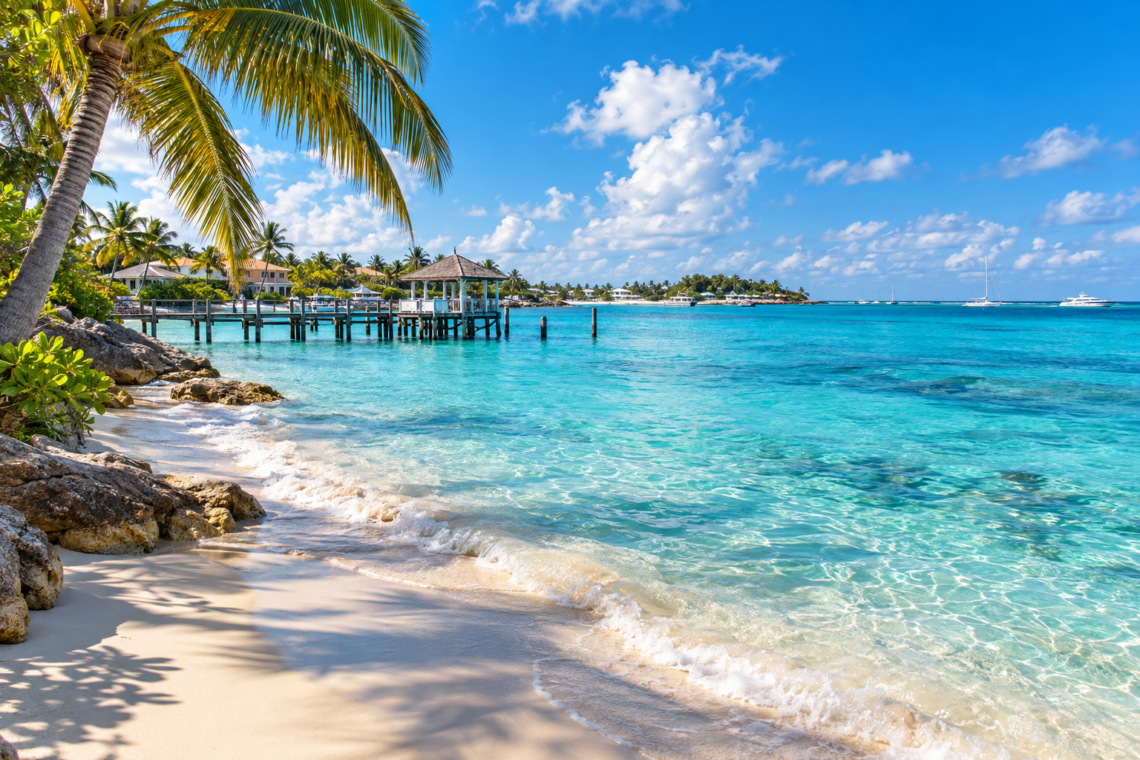
What To Expect When Travelling To The Bahamas
The Bahamas has long been one of the most popular warm-weather escapes for travelers from North America, and it’s easy to understand why. With more than 700 islands and cays scattered across crystal-clear waters, the archipelago offers a mix of laid-back beach towns, lively resort hubs, and quiet, untouched shorelines. Whether someone is planning a weeklong getaway or a quick escape from a cold winter, knowing what to expect before arriving can make the difference between a smooth trip and a stressful one.
Getting There and Entry Requirements
Most visitors arrive in the Bahamas by air, with Nassau’s Lynden Pindling International Airport serving as the primary gateway, followed by Grand Bahama’s airport in Freeport. Flight times from major U.S. cities like Miami, Atlanta, and New York are relatively short, often under three hours, which is part of why the destination draws so many short-notice travelers. In fact, tourism officials have reported that the Bahamas welcomes several million visitors annually, with a large share arriving via cruise ship rather than plane.
For travelers based in Florida, a popular and increasingly common option is a Day Trip to the Bahamas, since several ferry and cruise operators run same-day excursions from Fort Lauderdale and other South Florida ports. These trips typically depart early in the morning and return by evening, giving visitors a few hours to enjoy the beaches, casinos, or shopping districts without committing to an overnight stay. It’s a convenient way to sample the islands before deciding whether a longer vacation is worth planning.
Regardless of how someone arrives, U.S. citizens need a valid passport to enter the Bahamas; a driver’s license alone is not sufficient, even for short cruise or ferry trips. Visitors should also be prepared to fill out a Bahamas travel form in advance, which covers basic health and customs declarations. Failing to complete this ahead of time can lead to delays at immigration checkpoints.
Weather and Best Times to Visit
The Bahamas enjoys a tropical climate, with average temperatures ranging from the low 70s in winter months to the high 80s during summer. This makes it a year-round destination, though the peak tourist season typically runs from December through April, when travelers from colder climates are looking to escape winter weather. During this period, hotel rates tend to rise, and popular attractions can become crowded.
Hurricane season runs from June through November, with the highest risk typically falling between August and October. While not every storm makes direct landfall, travelers visiting during these months should keep an eye on forecasts and consider travel insurance that covers weather-related cancellations. Humidity levels can also be high during summer, so visitors accustomed to drier climates may want to plan indoor activities during the hottest parts of the day.
Currency, Costs, and Payment
The official currency is the Bahamian dollar, which is pegged one-to-one with the U.S. dollar. Because of this fixed exchange rate, American currency is widely accepted throughout the islands, and travelers often don’t bother exchanging money at all. Credit cards are commonly accepted in Nassau, Freeport, and most resort areas, though smaller shops and vendors in more remote areas may prefer cash.
Prices in the Bahamas can run higher than in many parts of the United States, particularly for imported goods, since a significant portion of food and consumer products are shipped in from elsewhere. Dining out, in particular, tends to carry a premium compared to mainland U.S. prices. Budget-conscious travelers may want to factor this into their planning, especially if visiting for an extended stay rather than a quick day trip.
Popular Activities and Local Culture
Beyond the beaches, the Bahamas offers a wide range of activities, from snorkeling and diving among coral reefs to swimming with pigs at the famous Exuma cays. Nassau’s Straw Market remains a popular stop for handmade goods and souvenirs, while Freeport draws visitors with its casinos and duty-free shopping. Many travelers also make time to explore local cuisine, which blends Caribbean, African, and British influences into dishes like conch fritters, cracked conch, and peas and rice.
Bahamian culture places a strong emphasis on hospitality, and visitors are often greeted warmly by locals eager to share recommendations for lesser-known spots. Junkanoo, a traditional festival featuring music, dance, and elaborate costumes, is celebrated most prominently around Boxing Day and New Year’s, though smaller cultural events happen throughout the year.
Health and Safety Considerations
Travelers should be aware that healthcare facilities, while adequate for common issues, can be limited on smaller or more remote islands. Nassau and Freeport have the most robust medical infrastructure, so those with ongoing health concerns may want to consider proximity to these hubs when choosing accommodations. Travel insurance that includes medical evacuation coverage is a wise consideration, particularly for trips involving boating, diving, or other higher-risk activities.
Tap water in major tourist areas is generally treated and considered safe, though many visitors still opt for bottled water as a precaution. Sun protection is also essential, given the intensity of the Caribbean sun, and staying hydrated is important given the heat and humidity most of the year.
Final Thoughts
Traveling to the Bahamas, whether for a quick day trip or an extended vacation, generally offers a smooth and rewarding experience for those who plan ahead. Understanding entry requirements, weather patterns, currency norms, and health considerations helps travelers avoid common pitfalls and make the most of their time on the islands. With its combination of accessibility, natural beauty, and cultural richness, it’s easy to see why the Bahamas remains a top choice for travelers seeking a tropical getaway close to home.
You May Also Like

Escape the Crowds: 10 Quiet Greek Islands That’ll Steal Your Heart (and Let You Sleep In)
Traveling with Pets in 2026: The Ultimate Guide to Stress-Free Pet Travel