-
What To Expect When Travelling To The Bahamas
The Bahamas has long been one of the most popular warm-weather escapes for travelers from North America, and it’s easy to understand why. With more than 700 islands and cays scattered across crystal-clear waters, the archipelago offers a mix of laid-back beach towns, lively resort hubs, and quiet, untouched shorelines. Whether someone is planning a weeklong getaway or a quick escape from a cold winter, knowing what to expect before arriving can make the difference between a smooth trip and a stressful one. Getting There and Entry Requirements Most visitors arrive in the Bahamas by air, with Nassau’s Lynden Pindling International Airport serving as the primary gateway, followed by Grand…
-
Best AI Image Editor with Prompt Free & Face Swap Tools of 2025
Updated October 2025 — tested and reviewed by a startup founder and content strategist Introduction In 2025, creators and developers expect one thing from AI tools — speed without compromise. Whether you’re editing product photos, replacing faces for marketing content, or generating visuals from text prompts, modern AI tools deliver professional results in seconds. This year, two categories stand out: AI image editor with prompt free platforms that make photo editing accessible to everyone, and Face Swap tools that combine deepfake-level precision with ethical creative control. After spending weeks testing the most popular tools, I’ve curated a list of the best AI image editing and face swap platforms available today.…
-
Seaplane Travel Is Having a Moment — Here’s Why Families Are Booking It
If you’re an adventurer with a family, experiencing Flights to Eleuthera Bahamas on a seaplane should be on your wish list, along with other Islands. Seaplanes, once seen as a quirky novelty for wealthy adventurers, are becoming a real option for family vacations. Parents are swapping crowded airports for float docks, and kids are loving every second of it. This shift isn’t random. A mix of practical perks and pure excitement is pulling households toward this old but newly popular way to fly. Let’s look at why. The Appeal Goes Beyond the Novelty Factor Sure, landing on water sounds cool. But that’s not the only reason families are booking these…
-
Japan Beauty & Style Trends 2026: Nails, Hair & Fashion to Watch
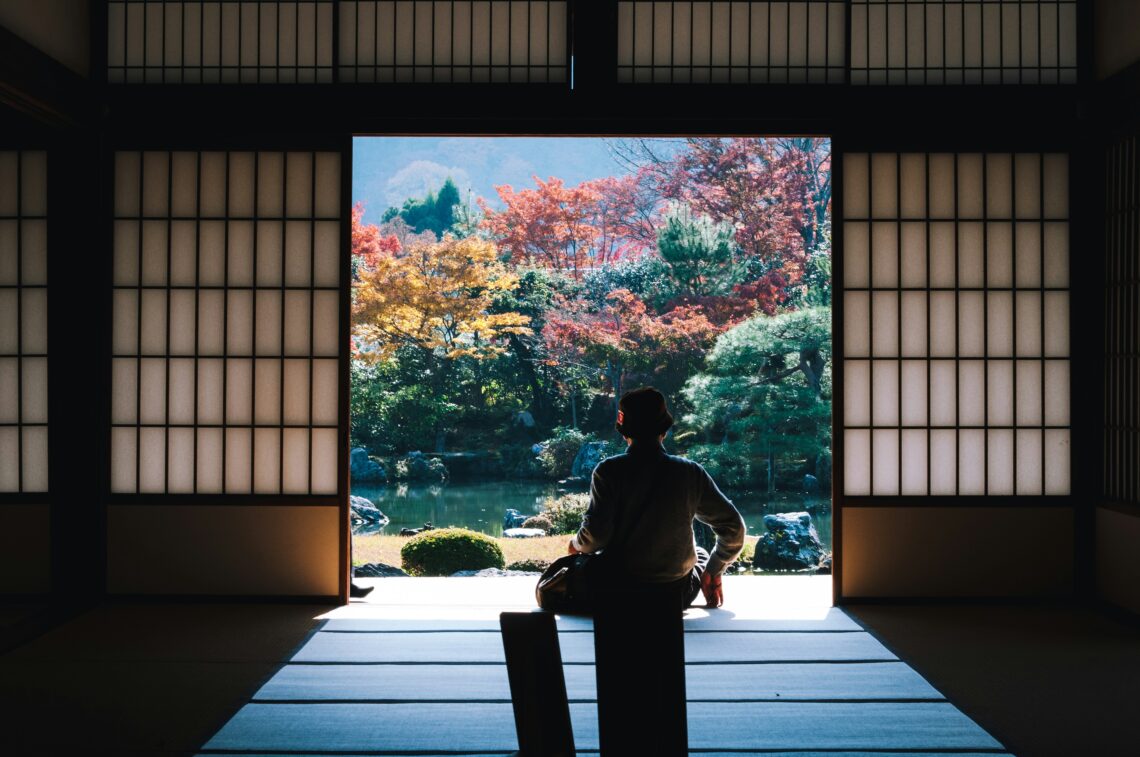
Japan Beauty & Style Trends 2026: Nails, Hair & Fashion to Watch Japan has always had its own approach to beauty and style — polished but rarely overly complicated, with a strong appreciation for detail. In 2026, that balance is especially visible. From glossy, healthy-looking hair to sheer nails and relaxed Tokyo street style, this year’s trends are less about following one strict aesthetic and more about looking intentional, fresh and individual. Here are three Japanese beauty and fashion trends worth watching in 2026. 1. Glass Nails and Sheer Manicures One of the biggest nail trends of 2026 is glass nails — a sheer, glossy manicure designed to make natural…
-
Best Islands to Visit in September, October and November
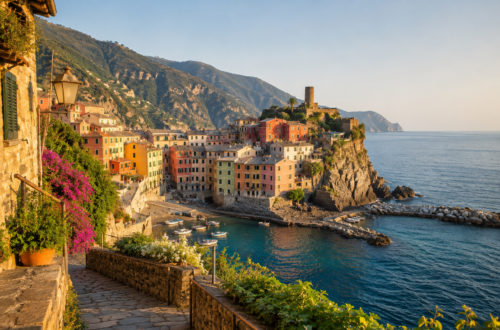
Planning an island escape in early autumn? September, October, and November can be some of the best months to visit an island. Summer crowds begin to disappear, temperatures become more comfortable, and many popular destinations still offer warm seas, sunny days, and beautiful beaches. The best island to visit depends on what you want from your vacation. September is ideal for Mediterranean islands and late-summer beach holidays. October is a great time for warm-weather escapes without the peak-season crowds. By November, it is better to look toward tropical islands in the Indian Ocean, Southeast Asia, and the Caribbean. In this guide, we have selected some of the best islands to…
-
Tokyo in Autumn 2026: Weather, What to Wear, and the Best Things to Do
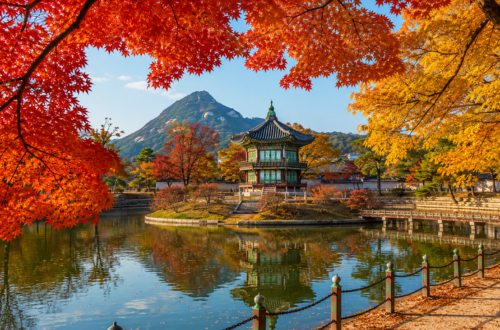
There are many reasons why travelers consider Tokyo in autumn the perfect season to visit Japan. As the summer heat fades away, the city transforms into a colorful landscape filled with golden ginkgo trees, red maple leaves, seasonal festivals, and comfortable temperatures. Between late September and early December, Tokyo offers a completely different atmosphere from the crowded cherry blossom season, making it one of the best destinations in Asia for an autumn vacation. Whether you are planning your first trip or returning to Japan for another adventure, autumn in Tokyo combines everything visitors love about the country: historic temples, modern neighborhoods, beautiful parks, incredible food, and easy access to nature.…
-
Small Closet Organization Ideas: How to Maximize a Tiny Closet
A tiny closet can feel like an impossible puzzle. Jackets pile up on chairs, shoes take over the hallway, and every new purchase somehow makes the bedroom feel smaller. In apartments and studio homes, closet space is often limited, forcing people to become creative with storage and organization. Fortunately, the best small closet organization ideas are not about buying expensive furniture or getting rid of everything you own. A well-designed closet simply uses space more efficiently. Vertical storage, smart organizers, seasonal rotation, and thoughtful layouts can completely transform even the smallest wardrobe. Many of the same principles used in studio apartment organization and small apartment kitchen storage ideas also work…
-
Small Apartment Kitchen Storage Ideas: Clever Ways to Organize a Tiny Kitchen and Maximize Every Inch
A small kitchen can either become the most practical room in an apartment or the place where clutter takes over every surface. In modern cities, kitchens are shrinking while people continue to buy more appliances, dishes, and groceries. Coffee makers, air fryers, blenders, rice cookers, storage containers, and spices all compete for the same limited space. The good news is that the best small apartment kitchen storage ideas are not about adding more cabinets. They are about using every inch more efficiently. Empty walls, cabinet doors, awkward corners, and the space above the refrigerator can all become valuable storage zones. In many homes, especially studios, the kitchen is part of…
-
How to Make a Small Apartment Look Bigger: 25 Smart Design Tricks for Tiny Spaces
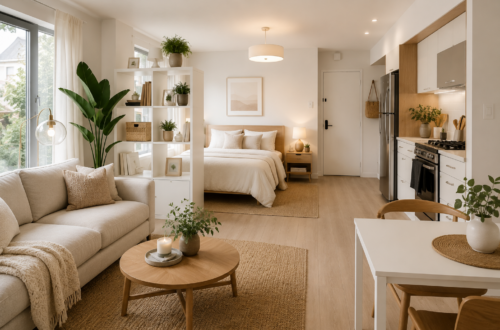
Small apartments have changed dramatically over the last decade. In cities around the world, people are learning to live comfortably in less space, turning compact studios and modest one-bedroom homes into places that feel bright, functional, and surprisingly spacious. The challenge is not necessarily the lack of square footage itself. More often, the problem comes from layouts that do not work, furniture that overwhelms the room, and everyday objects that slowly take over every available surface. Learning how to make a small apartment look bigger is not about creating an illusion or copying perfectly staged interiors from magazines. The best spaces feel open because every element has a purpose. Natural…
-
Best Japanese Multivitamins
The supplement market in Japan offers thousands of products, but for many people, multivitamins remain the simplest option. Instead of buying separate bottles of vitamin C, zinc, magnesium, or iron, consumers often prefer one product that covers their daily nutritional needs. That is why interest in the best Japanese multivitamins continues to grow every year. Japanese pharmacies are filled with vitamin complexes designed for different lifestyles. Some formulas focus on beauty and skin health, while others target energy, immunity, or healthy aging. There are also specialized products for women, men, and older adults. Unlike single-ingredient supplements, Japanese multivitamins combine essential vitamins and minerals into one convenient formula. For people with…