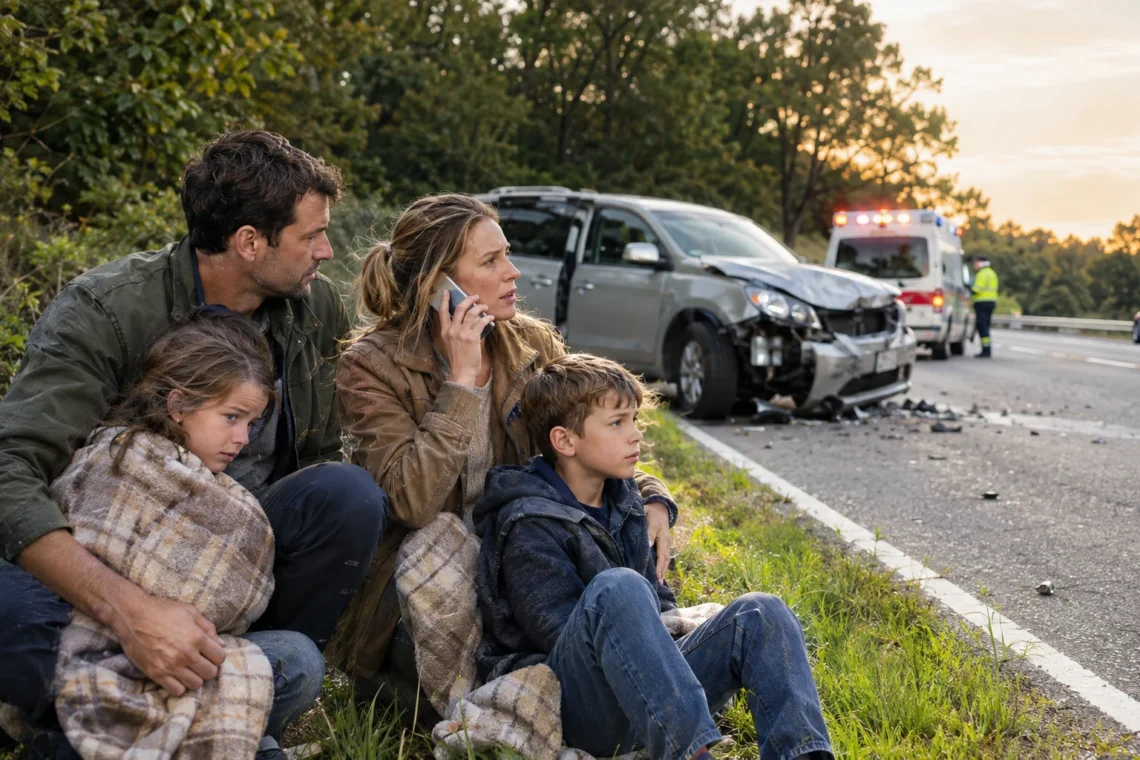
How to Keep Your Family Safe After a Road Trip Accident
The sound of crunching metal, the jolt, and then a strange quiet. A crash on a family road trip can leave you shaken, confused, and unsure of what to do first.
Your mind races with questions about injuries, the car, and the miles still ahead. This guide walks you through the steps that protect your loved ones, from the first minutes at the scene to the days that follow.
Check on Everyone
Your first job is to find out whether anyone is hurt. Start with the driver, then check each passenger, beginning with the youngest children. Ask them to stay still and tell you where it hurts.
Do not rush to move anyone who complains of neck, back, or head pain. Moving an injured passenger can make spinal injuries worse. If someone is bleeding, press a clean cloth firmly on the wound until help arrives.
Shock can hide pain for a while. A child may seem fine and then start crying ten minutes later. Treat every family member as possibly injured until a medical professional says otherwise.
Get Out of Harm’s Way
Once you know who needs help, think about traffic. Highways and rural roads can be dangerous after a crash, especially at night. If the car still runs and the crash was minor, move it to the shoulder.
If the vehicle cannot move, turn on the hazard lights and stay buckled inside unless fire or smoke threatens you. Leaving a car on a busy road exposes your family to passing drivers who may not see you.
When you do step out, guide everyone to a safe spot well away from the lanes. A grassy area behind a guardrail is ideal. Keep children close and make sure they hold an adult’s hand.
Call for Help Right Away
Dial emergency services even if the crash looks small. Tell the dispatcher your location, the number of vehicles szu involved, and any injuries you see. Road signs, mile markers, or exit numbers help responders find you quickly.
A police report also creates an official record of what happened. Insurance companies often ask for it, and it can protect you if the other driver later changes their story.
Stay on the line if the dispatcher asks you to. They may give you simple instructions, such as how to care for a wounded passenger until the ambulance arrives.
Accept Medical Care at the Scene
When paramedics arrive, let them examine every member of your family. This includes anyone who says they feel fine. Adrenaline can mask serious problems like internal bleeding, concussions, and whiplash.
If the paramedics suggest a trip to the hospital, take their advice. Emergency doctors can run scans that reveal injuries no one can see or feel at the roadside.
Children need extra attention here. Young victims may not describe their symptoms well, so watch for drowsiness, vomiting, unusual fussiness, or changes in how they walk and talk.
Gather Information While You Wait
If you are able, collect details before leaving the scene. This step matters for insurance claims and any legal questions that come up later. Keep your focus on facts, not blame.
What to collect from the other driver and the scene:
- Full name and phone number of every driver involved
- Insurance company and policy number
- License plate and vehicle description
- Photos of damage, skid marks, and road conditions
- Contact details for any witnesses who stopped
- Names and badge numbers of responding officers
Avoid arguing or admitting fault, even to be polite. A simple “I’m sorry this happened” can sometimes be twisted into an admission. Let the officers and insurers sort out responsibility.
Plan Your Next Steps on the Road
A crash far from home adds stress. Your car may be towed to an unfamiliar shop, and your family may need a place to rest. Ask the tow driver where they plan to take the vehicle and get a receipt.
Contact your insurance company as soon as you can. Many policies include roadside help, rental cars, or lodging coverage for travelers. Ask what your plan covers before you spend money.
Book a safe place to stay if you cannot continue the trip. Tired, stressed parents should not drive long distances after a crash. Rest first, then decide whether to head home or finish the journey.
Protect Your Legal and Financial Position
Keep every document connected to the crash. This includes the police report, medical bills, repair estimates, tow receipts, and hotel costs. Store copies in one folder so nothing gets lost.
“Be careful when the other driver’s insurance company calls. Adjusters may ask for a recorded statement or offer a quick payment. Wait until you understand your injuries and costs before agreeing to anything,” suggests the attorneys at Chopin Law (https://www.chopinlawfirm.com)
If the crash caused serious injuries or the other driver was clearly at fault, speak with a personal injury attorney. Many offer free consultations and can explain your rights without pressure.
Make Your Next Trip Safer
Once your family has recovered, use the experience to prepare better. Check that every child’s car seat fits correctly and has not been damaged. Most manufacturers recommend replacing a seat after a moderate or severe crash.
Pack an emergency kit with a first aid box, flashlight, blanket, water, phone charger, and reflective triangles. Having these items ready can make a stressful moment more manageable.
Plan rest stops every two hours, avoid driving when tired, and share the driving when possible. Small habits like these lower the chances of another accident.
Final Thoughts
A road trip crash is frightening, but a clear plan can steady you when it matters most. Check on your family, get to safety, call for help, and take every injury seriously, even the quiet ones.
Healing takes time, both for bodies and for nerves. Be patient with yourself and your loved ones. With the right care and preparation, you can get back on the road feeling safer and more confident.

You May Also Like

Best Japanese Multivitamins

What Is Brain Fog? Understanding the Causes, Symptoms, and Ways to Improve Mental Clarity