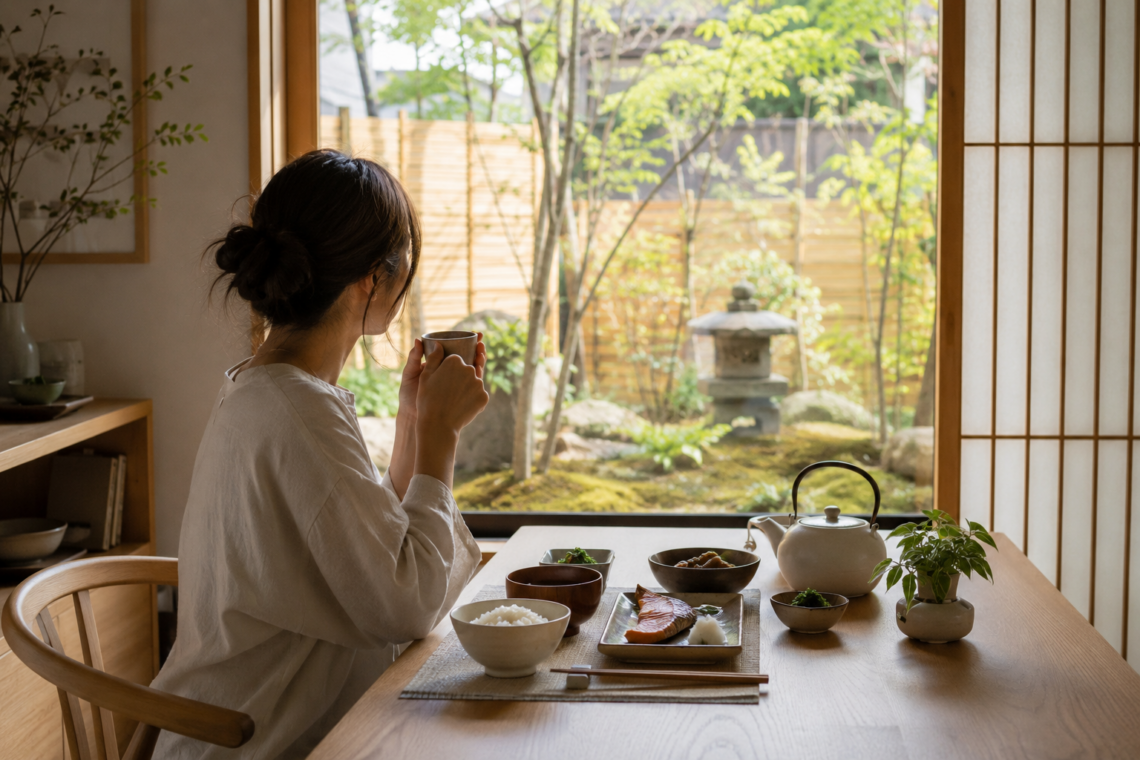
Japanese Daily Habits That Can Improve Your Life: Small Changes That Make a Big Difference
People around the world have long admired Japan for its exceptional life expectancy, clean cities, efficient public transportation, and strong sense of community. While many assume these achievements come from culture alone, much of everyday well-being in Japan is built through consistent routines rather than dramatic lifestyle changes.
The beauty of Japanese Daily Habits That Can Improve Your Life is that they’re accessible to almost anyone. They don’t require expensive equipment, complicated diets, or strict schedules. Instead, they focus on small actions repeated every day—walking instead of driving, eating balanced meals, respecting shared spaces, staying organized, appreciating nature, and maintaining a healthier relationship with time.
These routines also align with many modern wellness principles, including mindful living, healthy lifestyle habits, minimalist living, Morning Shed Routine, stress reduction, healthy morning habits, productivity habits, self-care routines, and simple living. Rather than chasing perfection, they encourage consistency, making them easier to maintain over the long term.
Whether you’re interested in improving your physical health, organizing your home, increasing productivity, or simply living a calmer life, adopting even a few Japanese Daily Habits That Can Improve Your Life can make a noticeable difference.

Start Your Morning with a Calm Japanese Morning Routine
One of the most recognizable Japanese Daily Habits That Can Improve Your Life is beginning the day with intention rather than urgency. Instead of reaching for a smartphone immediately after waking up, many people create a predictable rhythm that helps them transition naturally into the day.
A traditional Japanese morning routine often includes opening the windows to let fresh air circulate, making tea or coffee, stretching, preparing breakfast, and spending a few quiet minutes planning the day. These small rituals reduce decision fatigue while creating a sense of stability before work or school begins.
Research on healthy morning habits consistently shows that structured mornings can improve focus, lower stress levels, and increase overall productivity. Even adding ten quiet minutes before checking emails or social media can dramatically change the pace of your day.
Natural light also plays an important role. Exposure to morning sunlight helps regulate your circadian rhythm, supports healthy sleep patterns, and boosts daytime energy levels.

Walk More Every Day Instead of Driving Everywhere
If there’s one habit visitors immediately notice, it’s how much people walk.
Walking isn’t treated as exercise—it’s simply part of daily life. Commuters walk to train stations, parents walk children to school, neighbors walk to local supermarkets, and many older adults continue taking daily walks well into retirement.
This habit supports several aspects of healthy living:
- improved cardiovascular health;
- better mobility;
- natural calorie expenditure;
- lower stress;
- improved mental clarity;
- stronger daily routines.
Modern cities often encourage sedentary behavior, but Japanese urban planning naturally promotes active living through efficient public transportation and highly walkable neighborhoods.
Instead of viewing movement as something reserved for the gym, Japan demonstrates how daily walking habits can become one of the simplest forms of long-term exercise.

Eat Balanced Meals Instead of Oversized Portions
Nutrition is another pillar of Japanese Daily Habits That Can Improve Your Life.
Traditional Japanese cuisine emphasizes balance rather than restriction. Meals typically combine vegetables, fish, rice, fermented foods, soup, seaweed, tofu, and moderate portions of protein. This naturally creates meals rich in fiber, vitamins, healthy fats, and micronutrients.
Perhaps the best-known Japanese eating principle is Hara Hachi Bu—the practice of eating until you’re approximately 80% full instead of continuing until complete fullness.
This mindful eating habit encourages:
- slower eating;
- better digestion;
- portion control;
- improved awareness of hunger signals;
- healthier long-term weight management.
Combined with seasonal ingredients and home-cooked meals, this approach contributes to one of the healthiest dietary patterns in the world.

Keep Your Home Organized Every Single Day
A clean home isn’t created through occasional deep cleaning—it results from small habits repeated consistently.
One of the most valuable Japanese Daily Habits That Can Improve Your Life is maintaining order continuously instead of waiting until clutter becomes overwhelming.
Many Japanese households spend just a few minutes each day returning objects to their proper places, wiping kitchen surfaces, organizing entryways, and keeping floors clear.
This approach reduces stress because the environment itself feels calmer.
If you’re interested in creating similar spaces, our article Japandi Living Room Ideas explain how thoughtful organization, minimalist interiors, and smart storage solutions work together to make homes feel larger, brighter, and more peaceful.

Practice Kaizen: Improve Your Life One Small Step at a Time
Perhaps the most famous philosophy connected to Japanese Daily Habits That Can Improve Your Life is Kaizen, a concept centered on continuous improvement through small, consistent changes rather than dramatic transformations.
Instead of trying to completely reinvent your lifestyle overnight, Kaizen encourages improving just one small habit every day. Whether you’re exercising for five extra minutes, reading a few more pages, preparing healthier meals, or organizing one drawer, these tiny improvements gradually create lasting results.
The beauty of Kaizen is its simplicity. Small goals feel achievable, making them easier to maintain over weeks, months, and years. This mindset also reduces the pressure that often causes people to abandon ambitious resolutions after only a few weeks.
Many successful professionals use Kaizen to improve productivity, while families apply the same philosophy to household organization, finances, and personal development.
If you’re beginning your journey toward a healthier lifestyle, don’t focus on perfection. Focus on consistency.

Spend More Time Appreciating Nature and the Changing Seasons
One aspect of Japanese culture that often surprises visitors is the deep appreciation for seasonal change.
Throughout the year, people celebrate cherry blossoms in spring, lush greenery in summer, colorful maple leaves in autumn, and peaceful snowy landscapes during winter. Seasonal festivals, traditional foods, decorations, and even limited-edition products reflect this close relationship with nature.
Adopting this habit doesn’t require living in Japan. Taking regular walks through local parks, growing plants, watching the sunrise, or simply noticing seasonal changes can reduce stress and improve emotional well-being.
Research consistently links spending time outdoors with lower anxiety levels, improved concentration, and better overall mental health.
This simple habit supports mindful living, encourages gratitude, and creates natural opportunities to disconnect from constant digital stimulation.

Turn Bath Time into a Daily Wellness Ritual
Unlike many countries where showers are often rushed, bathing in Japan is considered an important part of daily wellness.
A warm evening bath isn’t simply about getting clean. It’s an opportunity to relax both physically and mentally after a busy day.
Warm water helps relax muscles, reduce tension, improve circulation, and prepare the body for better sleep. Many Japanese families also separate washing from soaking, allowing the bath itself to remain clean and focused on relaxation.
You don’t need a traditional Japanese soaking tub to benefit from this habit. Even a warm bath a few evenings each week can become part of a healthier evening routine, helping reduce stress before bedtime.
Combined with soft lighting, quiet music, or a book, this ritual encourages your body to slow down naturally.

Drink More Green Tea Instead of Sugary Drinks
Tea plays a central role in everyday life across Japan. While coffee has become increasingly popular, green tea remains one of the country’s most recognizable daily habits.
Varieties such as sencha, hojicha, genmaicha, and matcha are enjoyed throughout the day, each offering its own unique flavor and aroma.
Replacing sugary beverages with unsweetened tea may help reduce added sugar intake while encouraging better hydration.
Green tea is also rich in naturally occurring antioxidants and has become associated with healthy eating patterns and balanced lifestyles around the world.
Rather than drinking tea for quick health claims, many people appreciate it because it naturally encourages slower, more mindful moments during busy days.

Disconnect from Screens Before Bed
Modern technology has made life more convenient, but it has also made it harder to disconnect.
One of the easiest Japanese Daily Habits That Can Improve Your Life is creating a calm transition between daytime activity and sleep.
Instead of scrolling through social media late at night, many people establish relaxing evening routines that include reading, stretching, bathing, journaling, or simply enjoying a quiet cup of tea.
Reducing screen exposure before bed may help support healthier sleep patterns while giving your mind an opportunity to unwind.
Creating small technology-free moments throughout the day also improves focus, reduces mental fatigue, and encourages more meaningful conversations with family and friends.
Frequently Asked Questions
What are the most effective Japanese Daily Habits That Can Improve Your Life?
Walking every day, eating balanced meals, practicing Kaizen, maintaining an organized home, appreciating seasonal changes, drinking green tea, taking relaxing evening baths, and following consistent morning and evening routines are among the most practical habits.
What is Kaizen?
Kaizen is a Japanese philosophy of continuous improvement through small, consistent changes that become long-term habits.
What is Hara Hachi Bu?
Hara Hachi Bu is the practice of eating until you’re approximately 80% full instead of overeating.
Why do Japanese homes stay so organized?
Daily tidying, minimalist interiors, efficient storage solutions, and putting items back immediately help prevent clutter from accumulating.
Do I need to live in Japan to follow these habits?
Not at all. Most of these routines can be incorporated into everyday life anywhere in the world with only minor adjustments.
Why do Japanese people walk so much?
Walkable neighborhoods, reliable public transportation, and a culture that naturally incorporates walking into daily routines make physical activity part of everyday life.
Which habit should I start with first?
Begin with one simple habit, such as walking every day, organizing one area of your home, drinking more water or tea, or creating a calmer morning routine. Consistency matters more than trying to change everything at once.
Conclusion
Adopting Japanese Daily Habits That Can Improve Your Life doesn’t require completely changing who you are. Instead, these routines demonstrate how small, intentional actions can gradually transform your health, mindset, productivity, and overall well-being. Whether it’s embracing Kaizen, walking more often, practicing Hara Hachi Bu, keeping your home organized, enjoying green tea, or creating peaceful morning and evening rituals, each habit contributes to a more balanced lifestyle.
The greatest lesson from Japanese daily life is that meaningful change rarely happens overnight. It grows through consistency, mindfulness, and appreciation for simple routines that support both physical and mental health. By introducing even a few of these habits into your own life, you can create a calmer, healthier, and more intentional way of living—one small step at a time.


You May Also Like
Best Japanese Multivitamins

Digital Detox Tips That Actually Work: Real Ways to Unplug Without Stress