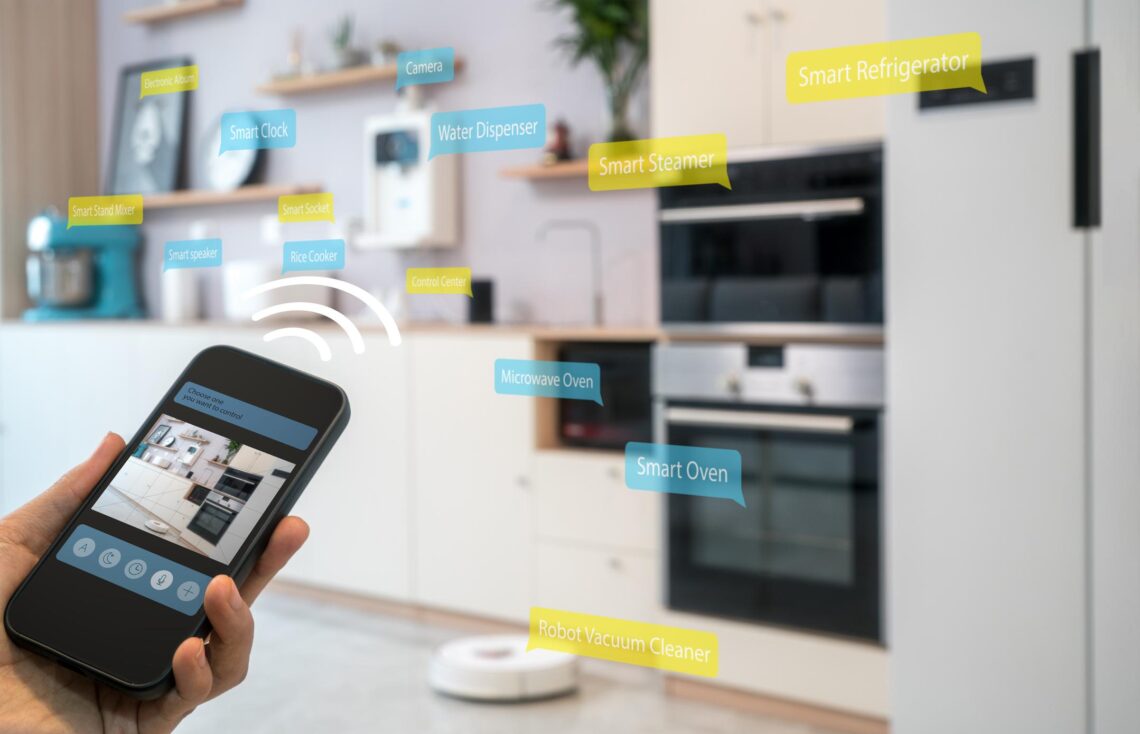
Smart Home Trends 2026: The Future of Connected Living
Smart homes are no longer a luxury reserved for technology enthusiasts. In 2026, smart home devices, home automation systems, and AI-powered smart technology have become mainstream, helping homeowners improve security, reduce energy consumption, and simplify everyday life.
From intelligent lighting systems to advanced smart security cameras, the modern connected home is transforming the way we live.
Why Smart Homes Are Growing Faster Than Ever
Several factors are driving the rapid adoption of home automation:
- Rising energy costs
- Improved AI technology
- Enhanced home security needs
- Remote work lifestyles
- Greater device compatibility
Today’s homeowners are investing in technology that provides convenience, efficiency, and peace of mind.
Popular search terms include:
- smart home devices
- home automation
- smart security systems
- energy-saving technology
- smart home trends 2026
- AI smart home

1. AI-Powered Home Automation Becomes Standard
Artificial intelligence is becoming the brain of modern smart homes.
Rather than simply responding to commands, AI systems now learn homeowner preferences and automatically adjust settings.
Examples include:
- Adjusting room temperature automatically
- Managing lighting schedules
- Optimizing energy consumption
- Monitoring home security patterns
AI assistants are becoming increasingly proactive rather than reactive.
How AI Improves Everyday Living
Imagine your home automatically:
- Turning off unused devices
- Lowering heating costs while you’re away
- Preparing your home before arrival
- Detecting unusual activity
This level of intelligent automation is becoming common in 2026.

2. Smart Security Systems Are Becoming More Advanced
Home security remains one of the biggest drivers of smart home adoption.
Modern smart security systems now include:
AI Security Cameras
These cameras can distinguish between:
- Family members
- Pets
- Delivery personnel
- Strangers
Reducing false alerts significantly.
Smart Doorbells
Video doorbells provide:
- Real-time notifications
- Two-way communication
- Package monitoring
- Motion detection
Smart Locks
Keyless entry systems allow homeowners to:
- Lock doors remotely
- Create temporary access codes
- Monitor entry history
Why Smart Security Matters
Security technology helps protect homes whether owners are:
- At work
- Traveling abroad
- Sleeping
- Running errands

The ability to monitor your property from anywhere is one of the most valuable benefits of a connected home.
3. Energy-Saving Technology Is a Major Priority
With energy prices continuing to rise globally, homeowners are increasingly focused on reducing utility costs.
Energy-efficient smart home devices help achieve this goal.
Smart Thermostats
Smart thermostats automatically:
- Learn temperature preferences
- Reduce unnecessary heating
- Optimize cooling schedules
This can significantly lower annual energy bills.
Smart Lighting Systems
LED smart bulbs offer:
- Automated schedules
- Motion activation
- Remote control
- Energy monitoring
Smart Plugs
Smart plugs help eliminate “phantom energy” usage from electronics that consume power even when not actively used.

4. Smart Appliances Continue to Expand
Household appliances are becoming increasingly connected.
Popular smart appliances include:
- Refrigerators
- Washing machines
- Ovens
- Dishwashers
- Coffee makers
These devices provide:
- Remote operation
- Maintenance alerts
- Energy tracking
- Usage reports
Homeowners can manage appliances directly from their smartphones.
5. Voice Control Remains Essential
Voice assistants continue to play a central role in home automation.
Common uses include:
- Turning lights on and off
- Playing music
- Managing schedules
- Controlling security systems
- Adjusting thermostats
Natural language processing has improved dramatically, making interactions more intuitive than ever.

6. Smart Home Health Monitoring
One of the fastest-growing smart home trends in 2026 involves health-focused technology.
Examples include:
Air Quality Monitors
These devices track:
- Dust levels
- Humidity
- Carbon dioxide
- Allergens
Smart Water Monitoring
Smart systems can detect:
- Leaks
- Excessive usage
- Water quality issues
Health-focused automation is becoming increasingly important for families and older adults.
7. Whole-Home Ecosystems Replace Individual Devices
Previously, smart devices often operated independently.
Today’s systems focus on integration.
A connected ecosystem allows:
- Lighting
- Security
- Heating
- Entertainment
- Appliances
to work together seamlessly.
This creates a more efficient and user-friendly experience.

Benefits of Home Automation
Home automation offers numerous advantages.
Convenience
Control your home from anywhere.
Security
Monitor your property in real time.
Energy Savings
Reduce electricity and heating costs.
Comfort
Personalized environments improve daily living.
Peace of Mind
Stay connected even while traveling.
These benefits explain why smart home adoption continues to accelerate globally.
Potential Challenges
Despite the advantages, smart home technology also presents challenges.
Consider:
- Initial installation costs
- Device compatibility
- Internet dependence
- Data privacy concerns
Choosing trusted manufacturers and maintaining strong cybersecurity practices is essential.
The Future of Smart Homes Beyond 2026
The next generation of smart homes may include:
- Fully AI-managed households
- Predictive maintenance systems
- Smart energy grids
- Autonomous home security
- Advanced health monitoring networks

The goal is not simply convenience but creating homes that actively improve quality of life.
Conclusion
Smart home technology is evolving rapidly, and 2026 is shaping up to be a breakthrough year for home automation, smart security, energy-saving devices, and AI-powered living.
Whether you’re upgrading your home’s security, reducing energy bills, or creating a fully connected ecosystem, today’s smart home devices offer more capabilities than ever before.
As technology continues to advance, the smart home of the future is becoming the smart home of today.
FAQ
1. What are the biggest smart home trends in 2026?
AI-powered automation, smart security systems, energy-saving devices, integrated ecosystems, and health-monitoring technologies are among the biggest trends.
2. Do smart home devices save energy?
Yes. Smart thermostats, lighting systems, and smart plugs can significantly reduce electricity and heating consumption.
3. Are smart homes secure?
When properly configured with strong passwords, encryption, and software updates, smart homes can be highly secure.
4. What is home automation?
Home automation refers to technology that automatically controls household systems such as lighting, heating, security, and appliances.
5. Is a smart home worth it?
For many homeowners, the convenience, energy savings, improved security, and increased comfort make smart home technology a worthwhile investment.

You May Also Like

Smart Home Devices You Need in 2025: Make Your House Smarter

Best Colors For Autumn Interior For Your Room