
How to Make a Small Apartment Look Bigger: 25 Smart Design Tricks for Tiny Spaces
Small apartments have changed dramatically over the last decade. In cities around the world, people are learning to live comfortably in less space, turning compact studios and modest one-bedroom homes into places that feel bright, functional, and surprisingly spacious. The challenge is not necessarily the lack of square footage itself. More often, the problem comes from layouts that do not work, furniture that overwhelms the room, and everyday objects that slowly take over every available surface.
Learning how to make a small apartment look bigger is not about creating an illusion or copying perfectly staged interiors from magazines. The best spaces feel open because every element has a purpose. Natural light is allowed to travel through the room, furniture fits the scale of the apartment, and storage blends into the design instead of competing with it.
Interior designers often say that spacious homes are created through balance rather than size. A thoughtfully arranged studio can feel calmer and more inviting than a much larger apartment filled with oversized furniture and visual clutter. Fortunately, transforming a compact home rarely requires major renovations. A few strategic changes can completely alter the way a room looks and functions.

Start With the Layout Before Buying Anything New
One of the biggest mistakes people make is trying to solve every problem with more furniture. When an apartment feels cramped, the instinct is often to buy another cabinet, another shelf, or another organizer. In reality, adding more objects to a small space frequently makes the problem worse.
Before replacing furniture or changing the decor, take a closer look at the layout itself. Walk through the apartment and notice whether movement feels easy or restricted. A coffee table that blocks the path to the kitchen or a dining chair that constantly bumps into the sofa may seem like minor inconveniences, but together they create the impression that the room is smaller than it actually is.
Good design begins with circulation. Even in a compact apartment, there should be clear pathways between different areas. Rearranging a sofa by a few centimeters or moving a bookshelf to another wall can dramatically improve the feeling of openness. This principle becomes especially important in homes with open floor plans, where the living room, kitchen, and sleeping area share the same space.
Many ideas used in studio apartment organization rely on this simple concept: the more easily people can move through a room, the larger that room appears.
Use Color to Expand the Room Visually
Color influences the way we perceive space far more than most people realize. Light walls do not magically add square meters, but they reflect daylight and soften the boundaries between surfaces. This is why shades such as warm white, cream, sand, pale gray, and soft beige continue to dominate modern interiors.
That does not mean every small apartment should be completely white. Rooms filled with identical colors can sometimes feel flat and impersonal. Designers often introduce texture through natural wood, linen fabrics, stone accents, or muted tones inspired by nature. The goal is to create contrast without overwhelming the eye.
Ceilings deserve special attention as well. A ceiling painted in a lighter tone than the walls naturally draws the gaze upward, making the room feel taller. The same effect can be achieved with long curtains installed close to the ceiling rather than directly above the window frame.
| Design choice | Visual effect |
|---|---|
| Light neutral walls | Creates openness |
| Floor-to-ceiling curtains | Makes ceilings appear higher |
| Continuous flooring | Improves flow between rooms |
| Natural textures | Adds warmth without clutter |
| Glossy finishes | Reflects light |
In recent years, many designers have moved toward softer palettes and organic materials. Some of the most influential interior and lifestyle trends combine warm minimalism with practical solutions that work particularly well in smaller homes.
Mirrors and Glass Surfaces Change the Way Space Feels
Few decorating techniques are as effective as placing mirrors strategically. A mirror opposite a window doubles the amount of visible light and instantly changes the atmosphere of a room. In narrow hallways, large mirrors reduce the feeling of confinement, while mirrored wardrobe doors make bedrooms feel significantly more spacious.
Understanding how to make a small apartment look bigger means paying attention to visual depth. Reflective surfaces encourage the eye to travel farther, creating the impression that the room extends beyond its physical boundaries.
Glass furniture works in a similar way. Coffee tables with transparent tops, slim shelving, and modern dining tables occupy less visual space than heavy wooden alternatives. This is one of the reasons why contemporary kitchens increasingly incorporate glass details. The same principles that make elegant glass kitchen design ideas feel bright and sophisticated can help even the smallest apartment appear larger.

Lighting Has More Impact Than Most People Expect
Many apartments suffer from poor lighting without their owners realizing it. A single ceiling fixture in the center of the room often creates dark corners and harsh shadows that visually shrink the space.
Professional designers almost always rely on layers of light instead. Ceiling lamps provide overall brightness, while floor lamps, wall sconces, and table lamps add depth and warmth. When several light sources work together, rooms feel larger and more comfortable.
Natural light matters even more. Thick curtains may provide privacy, but they also block sunlight and reduce the sense of openness. Lightweight fabrics allow daylight to fill the room while maintaining a softer, airier look.
This becomes particularly important during the colder months, when darker days can make compact apartments feel even smaller. Small changes—such as replacing heavy curtains, adding warm lamps to neglected corners, or positioning furniture closer to natural light—often produce surprisingly dramatic results.
Choose Furniture That Fits the Scale of the Apartment
Furniture that looks perfect in a showroom can completely overwhelm a compact home. One oversized sectional sofa or a massive dining table can dominate an entire room and make everything around it feel cramped.
When thinking about how to make a small apartment look bigger, proportion matters more than quantity. Several smaller pieces often work better than one bulky object. Furniture with visible legs creates the impression of extra floor space because the eye can continue underneath it. Slim chairs, narrow consoles, and open shelving contribute to a lighter appearance.
Multifunctional furniture has become essential in modern city apartments. Storage beds eliminate the need for large dressers, while foldable dining tables adapt to different situations throughout the day. Benches with hidden compartments, nesting tables, and wall-mounted desks all help maximize limited square footage without making the apartment feel crowded.

Divide a Studio Into Separate Areas Without Building Walls
Small apartments often feel chaotic when every activity takes place in the same visual space. Sleeping, working, eating, and relaxing all compete for attention, making the room seem smaller and less organized.
Creating distinct zones helps solve this problem. A large rug can define the living room, while a bookshelf behind the bed separates the sleeping area without blocking light. Different lighting fixtures also help establish boundaries between spaces.
Interestingly, pushing every piece of furniture against the wall is not always the best solution. Floating a sofa slightly away from the wall or creating a small passage behind a chair can improve circulation and make the apartment feel more intentional.
Successful studio apartment organization depends less on physical walls and more on visual structure. When each area has a clear purpose, the entire home feels calmer and more spacious.
Use Vertical Space Instead of Filling the Floor
Floor space disappears quickly in small homes, but walls are often underused. Tall bookcases, floating shelves, pegboards, and wall-mounted storage systems keep everyday items accessible without crowding the room.
Vertical storage offers another advantage: it naturally draws the eye upward. Rooms with bookshelves that extend close to the ceiling often feel taller than those filled with low furniture.
This strategy works particularly well in kitchens, entryways, and bedrooms where storage is limited. Open shelving can also become part of the decor when it is carefully styled with books, plants, and practical objects.
At the same time, restraint remains important. Shelves packed with dozens of unrelated items create visual noise and undo many of the benefits that vertical storage provides.
Decluttering Matters More Than Decorating
No interior trend can compensate for clutter. Expensive lamps, designer chairs, and carefully selected accessories will not make an apartment feel larger if every surface is covered.
People often underestimate how much space is occupied by things they rarely use. Old electronics, duplicate kitchen tools, seasonal decorations, and forgotten clothes quietly consume valuable storage. Removing them is often more effective than buying another organizer.
The most successful small apartment storage hacks are not necessarily complicated. They usually involve better habits: putting things away immediately, rotating seasonal items, and choosing quality over quantity.
| Common mistake | Better solution |
|---|---|
| Oversized furniture | Multifunctional pieces |
| Dark curtains | Sheer fabrics |
| Too many decorations | A few statement accents |
| Cluttered shelves | Hidden storage |
| Blocking windows | Maximize natural light |
FAQ
What colors make a small apartment look bigger?
Light neutrals such as white, beige, pale gray, and soft earth tones reflect more light and make walls feel farther apart.
Do mirrors really make a room look larger?
Yes. Mirrors reflect both light and surrounding objects, creating visual depth and making compact spaces feel more open.
What type of furniture is best for small apartments?
Furniture with hidden storage, visible legs, and multiple functions usually works best in compact homes.
Should all furniture be pushed against the wall?
Not necessarily. In some cases, moving furniture slightly away from the wall improves balance and creates better flow.
How can I maximize storage in a small apartment?
Use vertical space, choose multifunctional furniture, and keep rarely used items out of everyday areas.
Can dark colors work in a small apartment?
They can, especially as accents. The key is balancing darker tones with natural light and lighter surfaces.
How often should I declutter?
Small weekly resets combined with seasonal decluttering sessions help prevent clutter from accumulating.
Conclusion
Learning how to make a small apartment look bigger is ultimately about making smarter choices rather than chasing trends. Light, proportion, storage, and layout all influence the way a space feels, often more than the apartment’s actual size.
The most inviting homes are not always the largest ones. They are the spaces where furniture fits naturally, daylight moves freely, and every corner serves a purpose. Thoughtful design, practical storage, and strong studio apartment organization can transform even the smallest apartment into a place that feels open, calm, and comfortable.
As urban homes continue to evolve, these principles are becoming less of a design trend and more of an essential part of everyday living. With a few deliberate changes, a compact apartment can feel larger, brighter, and far more enjoyable to live in.


You May Also Like
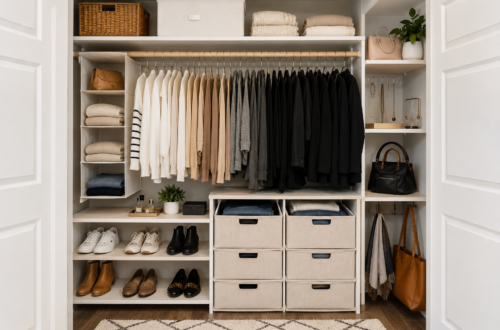
Small Closet Organization Ideas: How to Maximize a Tiny Closet

Pros and Cons of Chickens Eating Kiwi: A Detailed Analysis with FAQs
