How to Prevent Black Mold in Your Home: 15 Easy Ways to Stop Mold Before It Starts
Black mold is one of the most common household problems, yet it rarely appears without warning. In most cases, mold develops because of excess moisture, poor ventilation, or hidden water damage that goes unnoticed for weeks or even months. The good news is that many mold problems can be avoided long before they require expensive cleanup.
Learning how to prevent black mold is far easier than dealing with a widespread infestation. While cleaning visible mold is important, prevention focuses on removing the conditions that allow mold to grow in the first place. Controlling humidity, improving airflow, fixing leaks quickly, and keeping vulnerable areas dry are among the most effective strategies for protecting your home.
Bathrooms, kitchens, basements, laundry rooms, windows, and poorly ventilated closets are particularly vulnerable because they frequently experience high moisture levels. Even everyday activities such as cooking, showering, drying clothes indoors, or running a humidifier can contribute to mold growth if moisture isn’t properly managed.
This guide explains how to prevent black mold using practical, affordable techniques that work in almost any home. Whether you live in a house, apartment, or condominium, these simple habits can help reduce moisture, improve indoor air quality, and protect your walls, ceilings, furniture, and belongings from mold damage.
Why Does Black Mold Grow in Homes?
Understanding why mold develops is the first step toward effective mold prevention.
Mold spores naturally exist both outdoors and indoors. On their own, these microscopic spores are usually harmless. The problem begins when they land on a damp surface and remain exposed to moisture long enough to multiply.
Contrary to popular belief, mold does not require dirt to grow. Even clean homes can develop black mold if conditions are favorable. Drywall, wood, wallpaper, insulation, ceiling tiles, carpets, and even dust can provide enough organic material to support mold growth once moisture is present.
The most common causes include leaking pipes, roof damage, overflowing gutters, poor bathroom ventilation, condensation around windows, flooding, and indoor humidity levels that remain consistently high. Everyday activities such as long hot showers or drying laundry inside without adequate airflow can also contribute to moisture buildup.
Because moisture is the driving factor behind nearly every mold problem, the most effective way to prevent black mold is to control water before mold has the opportunity to establish itself.
Keep Indoor Humidity Between 30% and 50%
One of the simplest and most effective ways to prevent black mold is maintaining healthy indoor humidity.
Most experts recommend keeping relative humidity between 30% and 50%. When humidity stays above this range for extended periods, moisture begins accumulating on walls, ceilings, windows, and other cool surfaces, creating ideal conditions for mold growth.
A digital hygrometer is an inexpensive tool that allows you to monitor indoor humidity throughout your home. If levels remain consistently high, a dehumidifier can make a noticeable difference, especially in basements, laundry rooms, or humid climates.
Air conditioners also help remove moisture from indoor air during warmer months. Running kitchen exhaust fans while cooking and bathroom fans during and after showers further reduces humidity where it tends to build up most quickly.
Even simple habits such as opening windows when weather permits or avoiding excessive indoor clothes drying contribute to better humidity control and significantly reduce the likelihood of future mold problems.

Fix Water Leaks Immediately
Water leaks are among the leading causes of mold growth because they often remain hidden long after the initial damage occurs.
A slow drip beneath a sink, a leaking washing machine hose, or a small roof leak may not seem urgent at first. However, even minor leaks can keep building materials damp for weeks, allowing mold colonies to develop behind walls, beneath flooring, or inside cabinets.
Inspect plumbing connections regularly, especially under sinks, around toilets, behind appliances, and near water heaters. Check ceilings after heavy rain for stains or discoloration that could indicate a roof leak.
If water damage does occur, drying affected materials within 24 to 48 hours greatly reduces the likelihood of mold growth. Porous materials that remain wet longer than this may require replacement depending on the extent of the damage.
Quick repairs not only help prevent mold growth but also reduce the risk of structural damage and costly renovations later.
Improve Ventilation Throughout Your Home
Good airflow plays a critical role in black mold prevention because moving air helps moisture evaporate before it has a chance to accumulate.
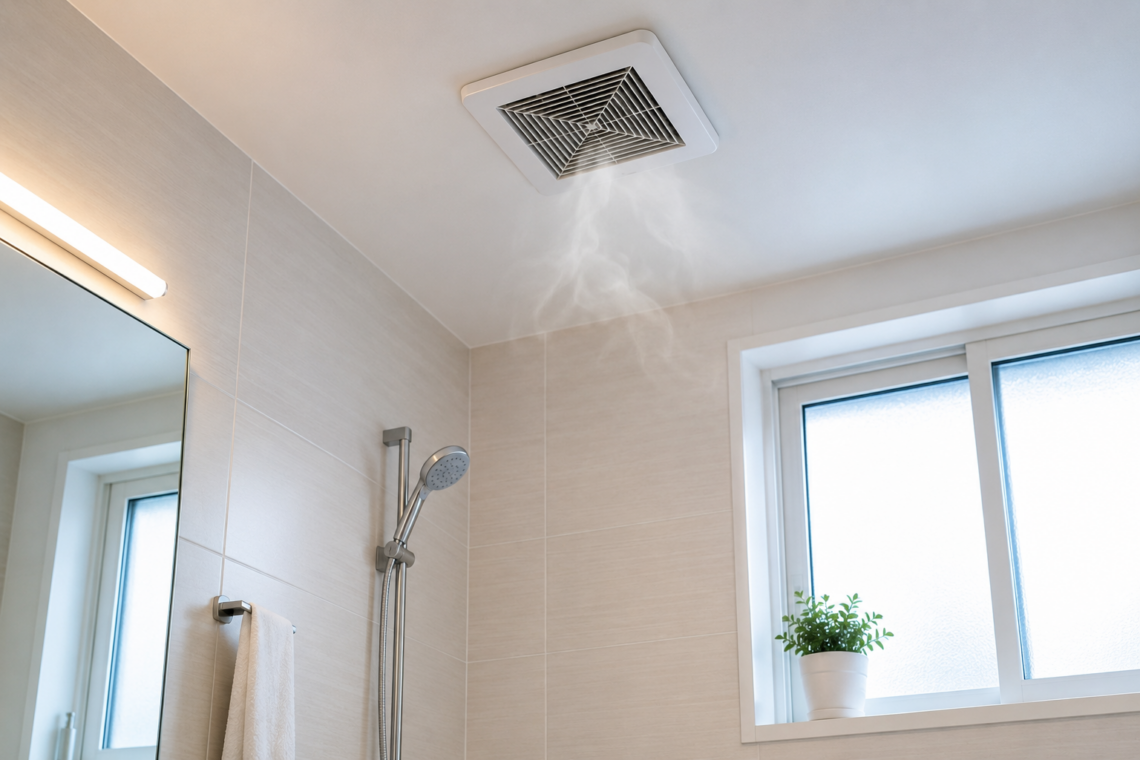
Bathrooms should always have a functioning exhaust fan that continues running for at least 20–30 minutes after showering. Kitchens also benefit from using a range hood while cooking, particularly when boiling water or preparing foods that generate large amounts of steam.
Furniture should not always be placed tightly against exterior walls. Leaving a small gap allows air to circulate more freely and reduces the likelihood of condensation developing behind large cabinets or wardrobes.
Closets also deserve attention. Overpacked closets restrict airflow, trapping humidity around clothing, shoes, and stored belongings. Periodically opening closet doors and avoiding excessive overcrowding encourages better ventilation.
These small adjustments create a healthier indoor environment while making it much easier to prevent black mold throughout the home.
Common Mold Prevention Mistakes That Can Lead to Black Mold
Even homeowners who regularly clean their homes sometimes make small mistakes that create ideal conditions for mold. Understanding these common problems can help you prevent black mold before it becomes a serious issue.
One of the biggest mistakes is assuming that a clean home cannot develop mold. In reality, mold doesn’t grow because a room is dirty—it grows because moisture is present. Even spotless kitchens and bathrooms can develop black mold if water remains trapped behind cabinets, under sinks, or inside walls.
Another common mistake is ignoring small plumbing leaks. A slow drip beneath a bathroom sink may seem harmless, but over time it can saturate surrounding materials and create the perfect environment for mold growth. Regular inspections are an important part of effective home maintenance tips and help identify problems before they become expensive repairs.
Many homeowners also underestimate the importance of bathroom ventilation. Turning off the exhaust fan immediately after a shower leaves warm, humid air trapped inside the room. Keeping the fan running for at least 20 to 30 minutes—or opening a window when possible—helps reduce moisture before condensation forms on walls and ceilings.
Using a humidifier incorrectly is another frequent issue. While humidifiers improve comfort during dry seasons, running them continuously without monitoring indoor humidity can increase moisture levels beyond the recommended range. A simple hygrometer allows you to monitor humidity control and keep levels between 30% and 50%.
Furniture placement can also contribute to hidden mold problems. Large wardrobes, sofas, and bookshelves pushed tightly against exterior walls often restrict airflow, allowing condensation to build up behind them. Leaving a small gap encourages air circulation and helps prevent mold on walls, particularly in colder climates.
Seasonal Black Mold Prevention Tips
The risk of mold changes throughout the year, making seasonal maintenance an important part of mold prevention.
Spring
Spring is an excellent time to inspect your home after winter. Look for roof damage, clogged gutters, leaking windows, and damp basements caused by melting snow or heavy rain. Repairing these issues early helps prevent mold growth before warmer temperatures arrive.
Summer
Summer humidity often creates ideal conditions for mold. Use air conditioning or a dehumidifier for mold prevention if indoor humidity rises above recommended levels. Running kitchen and bathroom exhaust fans consistently also helps reduce moisture.
Autumn
As temperatures begin to fall, condensation becomes more common around windows and exterior walls. Wipe away moisture promptly and check weather stripping to reduce drafts that contribute to condensation.
Winter
Winter brings another challenge. Warm indoor air meeting cold windows frequently produces condensation. Dry windows each morning if necessary, improve home ventilation, and avoid drying large amounts of laundry indoors without proper airflow.
Adapting your routine throughout the year is one of the easiest ways to prevent black mold before seasonal weather creates favorable conditions.

H2: Quick Checklist to Prevent Black Mold
If you want a simple routine that’s easy to remember, follow this checklist:
| Task | How Often |
|---|---|
| Check indoor humidity | Weekly |
| Inspect pipes for leaks | Monthly |
| Clean bathroom exhaust fan | Every 3 months |
| Inspect attic and basement | Twice a year |
| Clean gutters | Spring & Autumn |
| Check window condensation | During winter |
| Inspect under sinks | Monthly |
| Deep clean bathrooms | Weekly |
These simple habits dramatically improve black mold prevention and reduce the likelihood of expensive repairs.
Frequently Asked Questions
Can black mold grow in a clean house?
Yes. Black mold grows because of moisture—not because a home is dirty. Even spotless homes can develop mold if water leaks, condensation, or high humidity remain unresolved.
What humidity level helps prevent black mold?
Most experts recommend keeping indoor humidity between 30% and 50%. Staying within this range is one of the most effective ways to prevent black mold.
Does opening windows help prevent mold?
Yes, when outdoor conditions are suitable. Improving home ventilation helps remove excess moisture and supports healthier indoor air quality.
Can air conditioning reduce mold?
Yes. Air conditioners remove moisture from indoor air while cooling your home, making them useful tools for humidity control during warmer months.
Should I use bleach to prevent mold?
Bleach is generally not recommended as a preventive measure. The most effective mold prevention strategy is eliminating excess moisture, repairing leaks promptly, and maintaining good ventilation. If mold has already appeared, addressing the moisture source is just as important as cleaning the affected area.
How quickly can mold develop after water damage?
Under favorable conditions, mold can begin growing within 24 to 48 hours after materials become wet. Drying affected areas promptly is essential for water damage prevention and reducing the risk of mold.
Which rooms are most likely to develop black mold?
Bathrooms, kitchens, basements, laundry rooms, attics, and any area with poor ventilation or frequent moisture are the most common locations.
When should I call a professional?
If mold covers a large area, repeatedly returns after cleaning, or appears to be hidden inside walls, ceilings, or HVAC systems, it’s advisable to have the situation assessed by a qualified mold remediation professional.
Conclusion
Learning how to prevent black mold is one of the most valuable steps you can take to protect your home. Mold is rarely a random problem—it almost always develops where excess moisture is allowed to remain. By focusing on humidity control, home ventilation, prompt leak repairs, and regular inspections, you can greatly reduce the likelihood of mold taking hold.
Simple habits often make the biggest difference. Drying wet surfaces, monitoring humidity, improving airflow, and checking moisture-prone areas on a regular basis require very little time but can prevent costly repairs later. These practices not only help prevent mold growth, but also contribute to a healthier indoor environment and better long-term home maintenance.
If you do discover visible mold despite taking preventive measures, the next step is safe removal. Understanding How to Get Rid of Black Mold becomes essential once mold has already formed, but prevention will always remain the most effective and least expensive strategy.


You May Also Like

Deep Cleaning & Simple Cleaning: Which Is Better?

Best Japanese Kitchen Gadgets You’ll Actually Use Every Day
