
Understanding Shatavari: A Guide to Its Benefits and Uses in Ayurveda
Introduction
When I first stumbled upon Ayurveda, I was skeptical but desperate. I had been dealing with irregular menstrual cycles, fatigue, and mood swings for what felt like ages. It was at that time that my friend recommended the largest Ayurvedic portal in the world, Ask Ayurveda. With a mix of curiosity and hope, I started understanding shatavari by ordering a specially formulated supplement from their site. And believe me, within a few weeks, I noticed a profound improvement. Shatavari not only helped stabilize my cycles but also brought a sense of calm and energy that I thought was lost. It’s amazing how nature has such remedies!
Understanding shatavari, truly is like uncovering a gem in the world of holistic health. In this article, we dive deep into this remarkable herb, guiding you through its many benefits, how it fits into Ayurvedic principles, and practical tips to integrate it into your life.
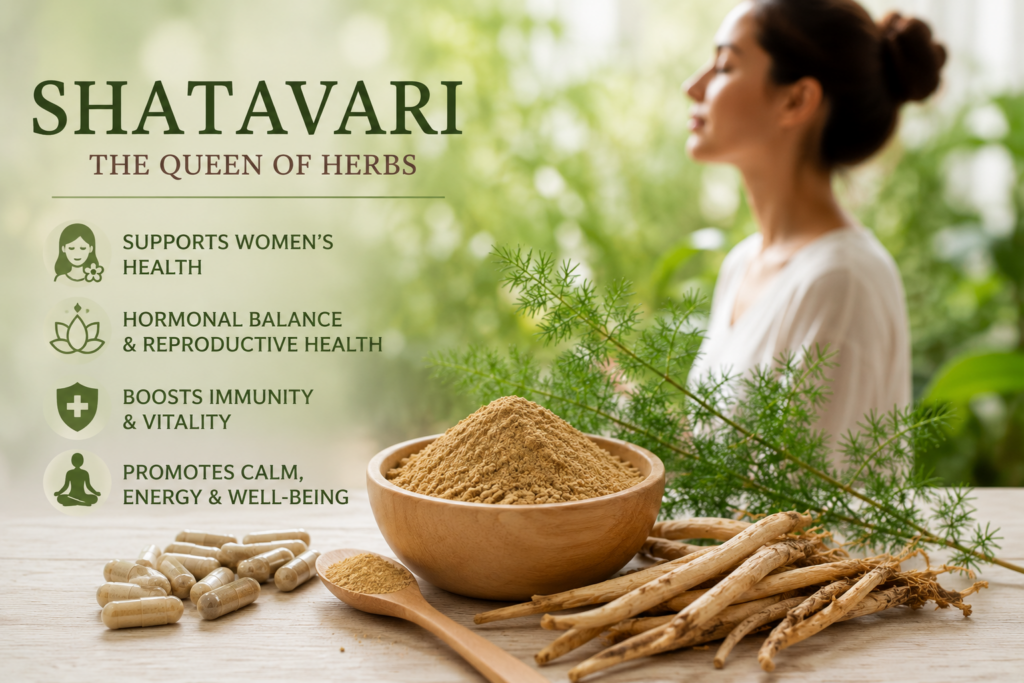
Core idea explained
Shatavari, scientifically known as Asparagus racemosus, is often referred to as the “queen of herbs” in Ayurveda. Traditionally, this plant has been revered for its support of reproductive health, immune function, and overall vitality. The roots of shatavari are used to create various forms, including powders, capsules, and tinctures, making it accessible for everyone. What makes shatavari unique is its adaptogenic properties that help the body cope with stress and hormonal fluctuations, making it especially popular among women.
What it means in simple words
Essentially, shatavari is a herb that helps improve your body’s natural balance. It’s like a gentle hand, guiding your hormones back to equilibrium, providing a sense of well-being, and boosting energy levels, helping you re-connect with your natural rhythms.
Why people search for this topic
People often look for shatavari when searching for natural solutions to hormonal issues, reproductive health concerns, or even just general fatigue. It also garners interest due to its ability to enhance lactation in mothers, support digestive health, and provide nutritional benefits. For me, it became the key in addressing the imbalances that my body had been dealing with. Others have similar stories — like Priya, a new mother who saw increased milk production after starting on shatavari.
Ayurveda perspective
In Ayurveda, health is about balance among the body’s three doshas: Vata, Pitta, and Kapha. Shatavari is thought to primarily pacify Vata and Pitta doshas, which helps in harmonizing the body’s functions. This is why it’s especially beneficial for women, as it regulates hormonal levels and supports the reproductive system. The cooling nature of shatavari also makes it ideal for those struggling with heat-related issues, both physically and emotionally.
Ayurvedic principles involved (simple, patient-friendly)
One of the main principles in Ayurveda is that each individual is unique, thus treatments and herbs like shatavari can be beneficial depending on one’s dosha. For instance, someone with high Pitta may find relief in shatavari’s cooling properties. It’s also linked to ‘Rasayana,’ or rejuvenation, enhancing longevity and vitality.
Typical patterns people notice in real life
Many individuals have reported noticeable patterns after incorporating shatavari into their routine. Take, for example, Ravi, who faced chronic fatigue. After six weeks of taking shatavari, he reported a surge in energy and improved mood. There seems to be a general consensus in how shatavari promotes not just hormonal balance but increases overall energy levels and emotional stability.
Practical guidance
Integrating shatavari into your daily routine can be both easy and rewarding. Consider following simple principles that align with ‘dinacharya’ – daily routines in Ayurveda. One common approach is to add shatavari powder to warm milk or smoothies; this makes for a nourishing drink that can be enjoyed in the morning or evening.
Daily routine tips (dinacharya-style, simple)
When starting with shatavari, it’s best to begin with a moderate dose, perhaps a teaspoon of powder, mixed with a cup of warm milk daily. This aligns not just with modern nutritional trends, but also with time-tested Ayurvedic practices. Establish a consistent routine, maybe even turning it into a little ritual that you can look forward to — trust me, it’s quite soothing.
What to avoid (common mistakes)
One common mistake is overconsumption; like any herb, moderation is key. Also, avoid pairing the supplement with excessively spicy or hot foods, as it might negate shatavari’s cooling properties. Listen to your body — if you feel any discomfort, it’s essential to reconsider how you’re integrating it or consult a professional.
Safety and when to seek medical help
While shatavari is generally considered safe for most people, it’s important to be cautious. Pregnant or nursing women should consult healthcare professionals before starting any new herbal regimen. And if you have a pre-existing condition or are on medication, check with a doctor to avoid any adverse interactions. Red flags would include unusual side effects or an allergic reaction, which, while rare, are important to monitor.
Conclusion
In conclusion, understanding shatavari opens up pathways to holistic well-being that many of us might have overlooked. Harnessing the power of this remarkable herb can support hormonal balance, enhance vitality, and rejuvenate health. If you’re curious about the potentials of Ayurvedic practices, start simple, stay safe, and experiment with the basics. Don’t forget to share this article with someone who could benefit from it, and explore more on Ask Ayurveda to further your journey into natural wellness.
FAQs
1. How long does it take to see results from shatavari?
It varies for everyone, but many people notice improvements within a few weeks of consistent use.
2. Can men use shatavari?
Yes, while it’s predominantly recognized for women’s health, men can also benefit from its adaptogenic properties.
3. Is shatavari safe to take daily?
For most individuals, yes. However, it’s always best to consult a healthcare provider, especially if you’re taking meds or have existing health conditions.

You May Also Like

Medicare FAQs: Everything You Need to Know

What Is Mouth Taping and Why TikTok Loves It
