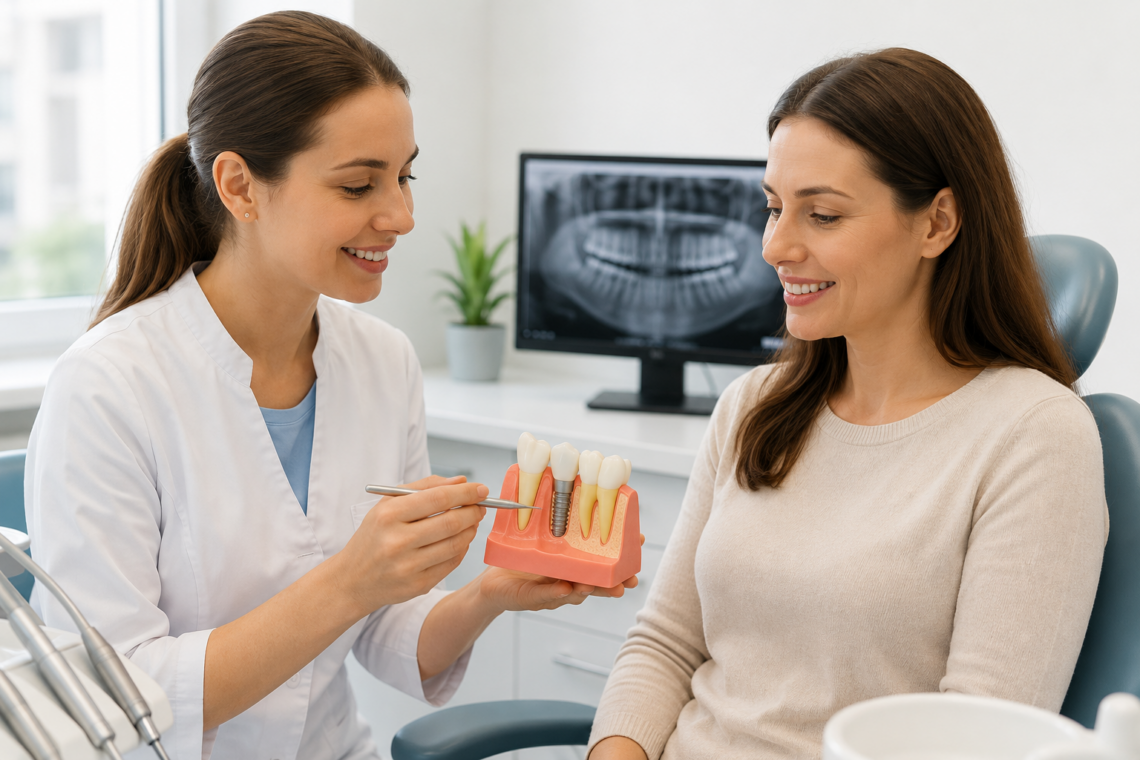
Why Replacing Missing Teeth Early Matters
Losing a tooth can feel like a cosmetic issue at first, but its effects go far beyond appearance. A missing tooth can gradually impact the way you eat, speak, smile, and even the health of your remaining teeth. While it may be tempting to delay treatment, waiting too long can lead to more complex dental problems that require additional time and expense to correct.
Replacing missing teeth early helps preserve your oral health, maintain proper jaw function, and keep your smile looking natural. Modern restorative dentistry offers reliable solutions that restore both function and confidence, making it easier than ever to regain a complete smile. Acting sooner rather than later often means simpler treatment, better long-term outcomes, and improved overall well-being.

Prevents Nearby Teeth from Shifting
Each tooth plays an important role in keeping the rest of your smile properly aligned. When one tooth is missing, the neighboring teeth no longer have the support they need to stay in position. Over time, they may begin to drift into the empty space, creating gaps, crowding, or uneven spacing throughout your mouth.
This movement can affect your bite, making it harder to chew comfortably and clean between your teeth. Misaligned teeth are also more likely to trap food particles and plaque, increasing the risk of cavities and gum disease.
According to Sharma Oral Surgery, Full Mouth Dental Implants Charlotte NC, “Replacing a missing tooth early helps maintain the natural alignment of your teeth before unwanted movement begins. Preserving proper spacing supports healthy chewing, simplifies oral hygiene, and reduces the likelihood of needing orthodontic treatment in the future.” Taking action promptly protects the stability of your entire smile rather than addressing only the missing tooth itself.
Helps Preserve Jawbone Health
Your jawbone depends on regular stimulation from your tooth roots to remain healthy and strong. Every time you chew, pressure is transferred through the roots into the surrounding bone, encouraging it to maintain its density.
Once a tooth is lost, that stimulation disappears. As a result, the bone beneath the missing tooth may gradually shrink, a process known as bone resorption. This bone loss can change the shape of your jaw and make future restorative treatments more complicated.
Restores Comfortable Chewing
Every tooth contributes to your ability to bite and chew efficiently. When even one tooth is missing, chewing certain foods can become uncomfortable or difficult. Many people begin avoiding healthy foods such as fresh fruits, vegetables, nuts, or lean meats because they are harder to eat.
This change in eating habits may eventually affect nutrition and overall health. Placing extra pressure on one side of the mouth can also increase wear on your remaining teeth, leading to unnecessary stress over time.
Replacing missing teeth allows your bite to function more evenly, making everyday meals more enjoyable and comfortable. You can return to eating a wider variety of foods without worrying about discomfort or instability. Restoring full chewing ability improves both your quality of life and your long-term oral health.
Supports Clear Speech
Many people don’t realize how important teeth are for proper speech. Certain sounds rely on the position of your teeth and tongue working together. Missing teeth—especially toward the front of the mouth—can make it difficult to pronounce certain words clearly.
Some individuals notice a slight whistle, slur, or altered pronunciation after losing a tooth. This may affect confidence during conversations, public speaking, or professional interactions.
Replacing missing teeth helps restore the natural support needed for clear speech. As your mouth returns to its normal structure, speaking often becomes easier and more natural. Improved communication allows you to feel more comfortable in social and work settings while reducing self-consciousness about the way you speak.
Protects Your Facial Appearance
Your teeth provide important support for your lips, cheeks, and overall facial structure. When teeth are missing for an extended period, the surrounding bone and soft tissues may begin to shrink, causing subtle but noticeable changes in facial appearance.
The cheeks may appear sunken, the lips may lose support, and the face can develop a prematurely aged appearance. These gradual changes often occur without people realizing the connection to tooth loss.
Replacing missing teeth early helps maintain natural facial contours and supports a youthful appearance. By preserving both the jawbone and surrounding tissues, early treatment helps your smile and facial profile remain balanced. Maintaining these structures contributes not only to aesthetics but also to long-term oral function.
Improves Confidence in Everyday Life
A complete smile influences how many people feel about themselves. Missing teeth may cause individuals to hide their smile, avoid photographs, or feel uncomfortable during conversations. Some even limit social interactions because they worry about how their smile appears.
Replacing missing teeth can dramatically improve self-confidence by restoring both appearance and function. Smiling, laughing, eating, and speaking become more comfortable, allowing you to focus on enjoying everyday experiences rather than thinking about your teeth.
Makes Future Treatment Simpler
Delaying treatment often allows additional dental problems to develop over time. Teeth may shift, bone may shrink, gum health may decline, and bite problems can become more pronounced. These changes sometimes require more extensive procedures before restoration can even begin.
Replacing missing teeth early helps preserve the existing structures in your mouth, making future treatment more straightforward. Maintaining healthy bone, stable teeth, and balanced gums often leads to shorter treatment times and more predictable results.


You May Also Like

Top 15 Japanese Vitamin and Supplement Brands That Deserve a Spot in Your Routine

Everyday Etiquette Rules Everyone Should Know
