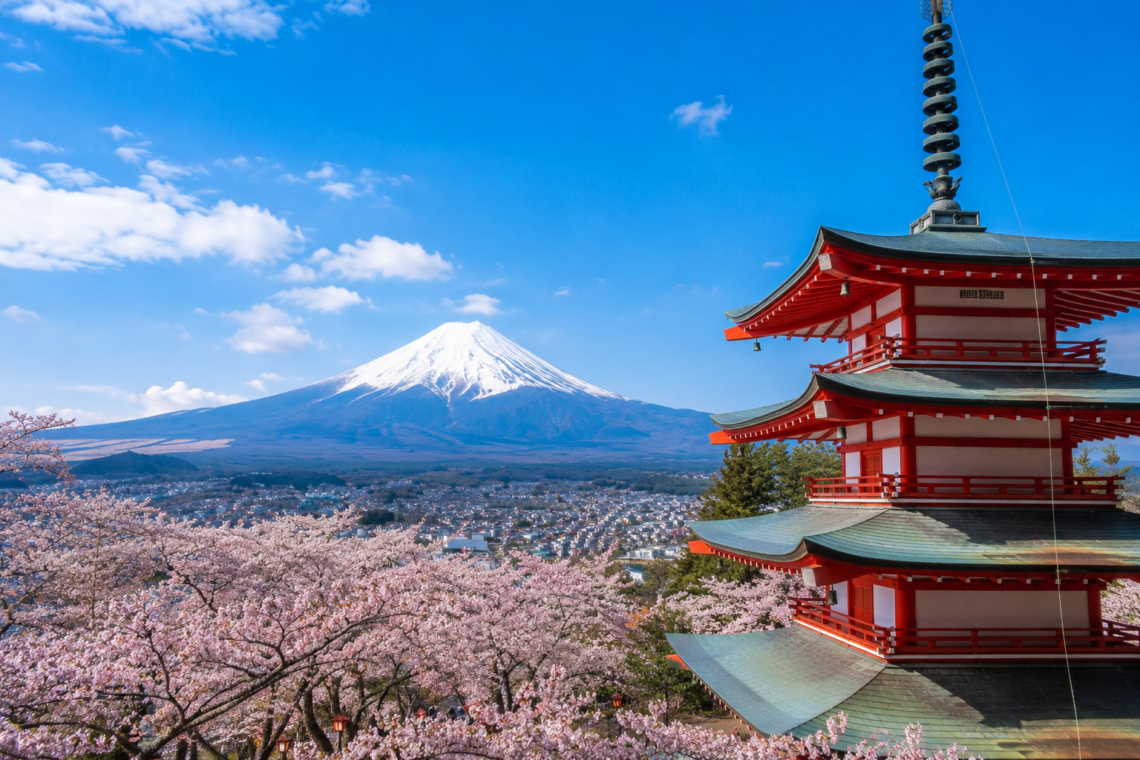
Best Day Trips from Tokyo: 15 Incredible Places Worth Visiting
Tokyo has a way of making you believe there’s nowhere else you need to go.
For days, you’re surrounded by glowing neon streets, tiny ramen shops hidden beneath train tracks, peaceful shrines tucked between skyscrapers, and neighborhoods that somehow all feel completely different. You can spend a week exploring the city and still leave with a list of places you never managed to visit.
But one of Tokyo’s greatest strengths isn’t actually Tokyo itself.
It’s what lies just beyond it.
Less than an hour after leaving the world’s largest city, busy intersections disappear. The skyline gives way to bamboo forests, quiet fishing villages, mountain lakes, ancient temples, and seaside cafés where the loudest sound is the ocean. That contrast is exactly why best day trips from Tokyo remain one of the most searched travel topics for visitors planning their first journey through Japan.
The biggest mistake many travelers make is treating Tokyo as their entire vacation. In reality, the capital works best as a base for discovering the surrounding region. You can enjoy a morning coffee in Shibuya, spend the afternoon walking beneath thousand-year-old cedar trees in Nikko, watch the sunset beside the ocean in Enoshima, and still be back in your Tokyo hotel before bedtime.
Before leaving Tokyo, it’s worth experiencing the city’s most iconic attractions—from centuries-old temples to lively shopping districts and panoramic viewpoints. Once those experiences are behind you, the surrounding region reveals a completely different side of Japan, where mountain lakes, quiet fishing villages, and ancient towns are never more than a short train ride away.
Every destination on this list tells a different story. Hakone introduces volcanic landscapes and traditional hot springs. Kamakura feels like stepping into medieval Japan. Kawaguchiko offers some of the country’s most iconic views of Mount Fuji, while Yokohama replaces ancient temples with waterfront promenades, modern architecture, and one of the largest Chinatowns in Asia.
The season you choose can completely transform the same destination. Cherry blossoms bring a soft pink glow to temple gardens in spring, while autumn replaces them with fiery shades of red, orange, and gold. Even familiar landscapes feel new as the scenery changes throughout the year, which is why many travelers plan their itinerary around Japan’s changing seasons rather than simply choosing a destination.
Perhaps the best part is how easy these adventures are. Japan’s rail network connects Tokyo with mountain resorts, historic towns, coastal villages, and national parks so efficiently that many journeys take less time than commuting across some major cities around the world. Whether you’re looking for easy day trips from Tokyo, scenic train rides, Mount Fuji day trips, or hidden places far from the crowds, there’s something here for every style of traveler.
By the end of this guide, you may discover that your favorite memory of Tokyo isn’t in Tokyo at all.

Best Day Trips from Tokyo for Nature, Culture, and Scenic Views
One of the reasons day trips from Tokyo are so rewarding is the incredible variety packed into a relatively small area. Instead of choosing between mountains, beaches, historic temples, or traditional towns, you can experience all of them during a single trip to Japan. Some destinations are famous around the world, while others remain surprisingly overlooked despite being less than two hours from the capital.
Let’s begin with the place that appears on almost every travel itinerary—and for good reason.
Hakone: Where Volcanoes, Hot Springs, and Mount Fuji Meet
The first time you arrive in Hakone, it’s difficult to believe you’re still so close to Tokyo.
Instead of crowded train stations and endless apartment buildings, you’ll find forested mountains, steaming volcanic vents, quiet lakes, and traditional inns where people have been soaking in natural hot springs for generations. The pace changes almost immediately. Even the air feels different.
Hakone isn’t famous because of one attraction. It’s famous because an ordinary day somehow turns into a collection of completely different experiences. You might start the morning floating across Lake Ashi on a sightseeing boat, continue your journey above active volcanic valleys on the Hakone Ropeway, stop to taste the region’s famous black eggs cooked in sulfur-rich hot springs, and finish the afternoon relaxing in an outdoor bath while the silhouette of Mount Fuji appears above the surrounding mountains.
Many visitors discover that this becomes one of the most memorable days of their entire trip.
The scenery changes dramatically throughout the year. Fresh green forests dominate late spring and early summer, while October and November transform the mountains into one of the most colorful landscapes near Tokyo. Winter offers a completely different reward. Cold, dry air often creates the clearest views of Mount Fuji, making sunrise one of the most spectacular times to explore the region.
Although trains connect Tokyo with Hakone quickly and efficiently, many travelers eventually decide to rent a car in Japan after realizing how many scenic viewpoints, quiet cafés, lakeside roads, and hidden villages lie beyond the standard tourist route. Having your own transportation allows you to slow down, stop whenever the landscape changes, and experience a side of Hakone that organized tours rarely reach.
Hakone is also one of Japan’s most famous destinations for traditional hot springs. For travelers with tattoos, choosing the right onsen can require a little extra planning, since bathing policies still vary from one property to another. That’s one reason many visitors compare accommodation options with Tattoo-Friendly Onsens in Tokyo before deciding where they’d like to unwind after a day in the mountains.
Kamakura: Ancient Temples, Bamboo Forests, and a Relaxed Coastal Atmosphere
If Tokyo represents Japan’s future, Kamakura feels like its memory.
Just over an hour from the capital, the city’s fast pace fades into narrow streets lined with traditional wooden houses, quiet temple gardens, and cafés where people linger over coffee instead of rushing to catch the next train. It is difficult to imagine that this peaceful seaside town was once the political center of Japan, yet traces of that history appear around almost every corner.
Most visitors come to see the Great Buddha, one of Japan’s most recognizable landmarks, but Kamakura rewards those who slow down. Wander through the bamboo grove at Hokokuji Temple, climb the stone steps to Tsurugaoka Hachimangu Shrine, or simply get lost among small residential streets where flower-filled gardens and family-owned bakeries make the town feel wonderfully local.
One of the things we love most about Kamakura is that it never feels like a checklist destination. Instead of rushing from one attraction to another, it’s the kind of place where you naturally spend an hour browsing small craft shops, stopping for matcha desserts, or watching surfers head toward the beach with their boards under one arm.
Many travelers continue to Enoshima after exploring Kamakura, creating one of the most rewarding Tokyo day trip itineraries. The combination offers a perfect balance of history, nature, and ocean scenery without requiring long hours of travel.
Spring is especially beautiful when cherry blossoms soften the temple grounds, while early summer fills the famous hydrangea gardens with thousands of colorful flowers. Autumn brings quieter streets and warm golden light that makes the historic neighborhoods even more photogenic.
Nikko: Japan’s Most Spectacular Temple Escape
Some destinations impress you the moment you arrive.
Nikko reveals itself gradually.
The journey begins with peaceful mountain roads surrounded by towering cedar trees before opening onto elaborate shrines decorated with gold leaf, intricate carvings, and centuries of history. It feels more like entering a sacred forest than visiting a tourist attraction.
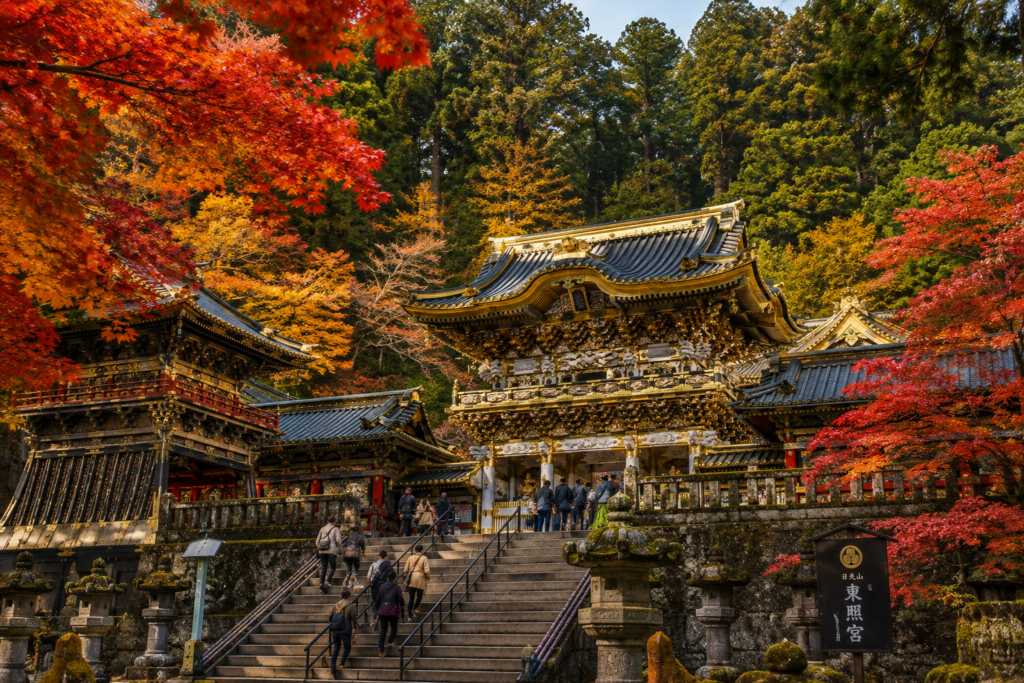
The UNESCO-listed Toshogu Shrine is undoubtedly the centerpiece, but Nikko offers much more than its famous temples. Waterfalls tumble through mountain valleys, hiking trails lead to quiet lakes, and hidden cafés overlook forests that change dramatically with the seasons.
Autumn is when Nikko becomes unforgettable.
Between late October and early November, thousands of maple trees transform Nikko into a spectacular landscape of crimson, orange, and gold. Walking through temple grounds surrounded by brilliant autumn foliage is an unforgettable experience, and it’s easy to understand why the area is considered one of Japan’s finest places for fall colors. Travelers visiting Tokyo during the season often set aside a day for Nikko after planning an autumn trip to Tokyo, combining vibrant city parks with the peaceful mountain scenery just a short train ride away.
Even outside peak foliage season, Nikko offers a slower, quieter side of Japan that contrasts beautifully with Tokyo’s constant energy.
Kawaguchiko: The Classic Mount Fuji Day Trip
There are hundreds of places to admire Mount Fuji.
Very few are as iconic as Lake Kawaguchiko.
Almost every famous photograph you’ve ever seen of Japan’s highest mountain was likely taken somewhere around this region. On calm mornings, Mount Fuji reflects perfectly across the lake, creating one of the country’s most recognizable landscapes.
Despite its popularity, Kawaguchiko never feels limited to a single viewpoint. Walking paths circle the shoreline, flower gardens bloom throughout the year, observation decks reveal new perspectives, and small cafés invite visitors to slow down and simply watch the mountain as the light changes.
The experience also changes dramatically with the seasons. Spring surrounds the lake with cherry blossoms, lavender fields bloom in early summer, autumn paints the hills in brilliant reds and oranges, and winter often delivers the clearest mountain views of the year.
One reason many photographers return to Kawaguchiko again and again is flexibility. Public transport reaches the main attractions with ease, but exploring the quieter roads around the Fuji Five Lakes allows you to discover peaceful viewpoints far from the busiest crowds. That freedom is one of the reasons independent travelers often choose to rent a car in Japan, particularly when photography is high on their priority list.
Best Coastal Day Trips from Tokyo
Not every escape from Tokyo leads into the mountains.
Some of the most enjoyable day trips from Tokyo end with ocean breezes, fresh seafood, sandy beaches, and spectacular sunsets over Sagami Bay. Coastal towns offer a completely different atmosphere from central Tokyo and become especially popular during late spring and summer, although many remain beautiful throughout the year.
Enoshima: A Small Island Full of Surprises
At first glance, Enoshima seems almost too small to fill an entire day.
Then you arrive.
A narrow bridge connects the mainland to an island packed with winding lanes, seafood restaurants, centuries-old shrines, hidden caves, observation decks, and panoramic coastal views. Every path seems to reveal another staircase leading somewhere unexpected.
Unlike many islands in Japan, Enoshima combines natural beauty with an easy, relaxed atmosphere. Local cafés overlook the sea, families enjoy fresh seafood beside the harbor, and visitors pause regularly to watch sailboats drift across the bay.
Because Kamakura is only a few minutes away by train, many travelers naturally combine both destinations into a single itinerary. Temple gardens in the morning and ocean sunsets in the evening create one of the most balanced one day trips from Tokyo.
Enoshima is especially appealing for independent travelers thanks to its relaxed atmosphere, compact layout, and easy access from Tokyo. Walking the island at your own pace feels comfortable and safe, making it a destination that’s often recommended for women traveling alone in Japan.
Yokohama: A Modern Waterfront City That Feels Completely Different from Tokyo
At first glance, visiting Yokohama might seem unnecessary. After all, it’s another large Japanese city located less than an hour from Tokyo.
Then you arrive at Minato Mirai.
Wide waterfront promenades replace crowded intersections, ferris wheels rise above the harbor, and modern glass towers reflect the ocean instead of endless rows of office buildings. The atmosphere is noticeably slower than central Tokyo, making Yokohama feel more like a relaxed coastal city than Japan’s second-largest metropolitan area.
One of the biggest surprises for first-time visitors is just how much there is to do within walking distance. You can spend the morning exploring the historic Red Brick Warehouse, stop for lunch in one of the largest Chinatowns in the world, visit the interactive Cup Noodles Museum, and finish the afternoon watching the sunset from Osanbashi Pier.
Unlike many destinations on this list, Yokohama doesn’t ask you to choose between history and modern attractions—it offers both. Former international trading districts stand beside futuristic architecture, while peaceful waterfront parks provide a welcome break from Tokyo’s constant energy.
Yokohama offers a completely different atmosphere from Tokyo, blending modern waterfront architecture with historic neighborhoods and international influences. For travelers hoping to experience some of Japan’s most beautiful cities, it easily deserves a place on the itinerary.
Kawagoe: Walking Through Japan’s Edo Period
There are places where history is carefully preserved behind museum glass.
Kawagoe isn’t one of them.
Here, history is still part of everyday life.
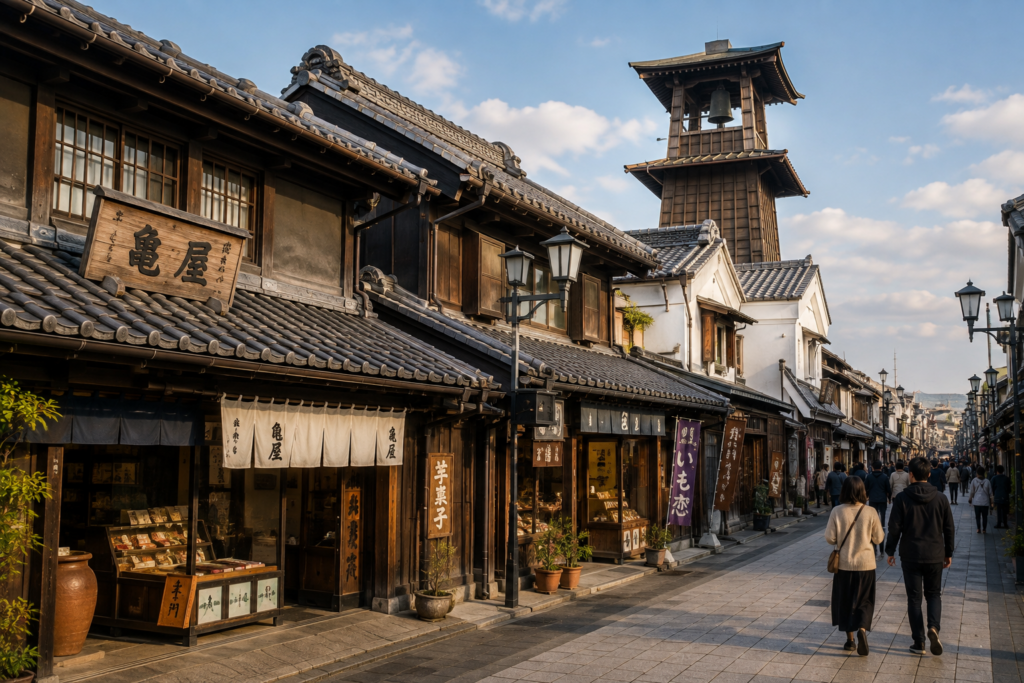
Store owners open traditional wooden shutters every morning, local bakeries fill streets with the smell of freshly baked sweet potato treats, and families stroll along merchant roads that have changed remarkably little over the last few centuries.
Nicknamed “Little Edo,” Kawagoe gives visitors a rare chance to experience the atmosphere of old Japan without traveling hundreds of kilometers from Tokyo. Clay-walled warehouses, narrow alleyways, traditional candy shops, and the famous Toki no Kane Bell Tower create one of the country’s most photogenic historic districts.
Unlike Kyoto, Kawagoe remains surprisingly relaxed. You won’t find large tour groups on every corner, which makes wandering through the streets feel much more spontaneous. It’s the kind of destination where you’ll likely discover your favorite café by accident rather than by following a travel guide.
Atami: Hot Springs by the Ocean
Most people imagine Japanese hot spring towns surrounded by mountains.
Atami proves that the sea can be just as beautiful.
Built along a steep coastline overlooking Sagami Bay, this resort town has attracted visitors for more than a century. Traditional ryokan, oceanfront cafés, seafood markets, and natural hot springs create an atmosphere that feels somewhere between a beach holiday and a classic Japanese retreat.
Walking through Atami is refreshingly simple. Everything seems to lead toward the water. Small fishing boats drift across the harbor, locals line up for freshly grilled seafood, and narrow streets climb gently toward peaceful shrines overlooking the bay.
Although Atami is popular throughout the year, winter has a special charm. Soaking in a steaming outdoor bath while looking toward the ocean is an experience many travelers remember long after returning home.
Hidden Day Trips from Tokyo That Most Tourists Miss
The most memorable places aren’t always the most famous.
Once travelers have visited Hakone, Kamakura, and Mount Fuji, many begin searching for destinations that feel quieter and less commercial. Fortunately, Tokyo is surrounded by small towns, mountain villages, and scenic regions that receive only a fraction of the visitors despite offering equally rewarding experiences.
Mount Takao: Tokyo’s Closest Mountain Escape
It takes less than an hour to leave central Tokyo behind and begin walking through cedar forests toward the summit of Mount Takao.
That’s one of the reasons this mountain has become a favorite weekend escape for locals.
Unlike longer hikes elsewhere in Japan, Mount Takao is suitable for almost everyone. Multiple walking trails, a cable car, and well-maintained paths make it accessible even for travelers with limited hiking experience. Along the way you’ll pass small temples, forest viewpoints, and tea houses serving freshly made soba noodles.
On clear autumn mornings, colorful maple leaves cover the mountainside, while winter sometimes rewards hikers with distant views of Mount Fuji.
Chichibu: Mountains, Shrines, and a Slower Pace of Life
Chichibu rarely appears on first-time itineraries.
Perhaps that’s exactly why it feels so special.
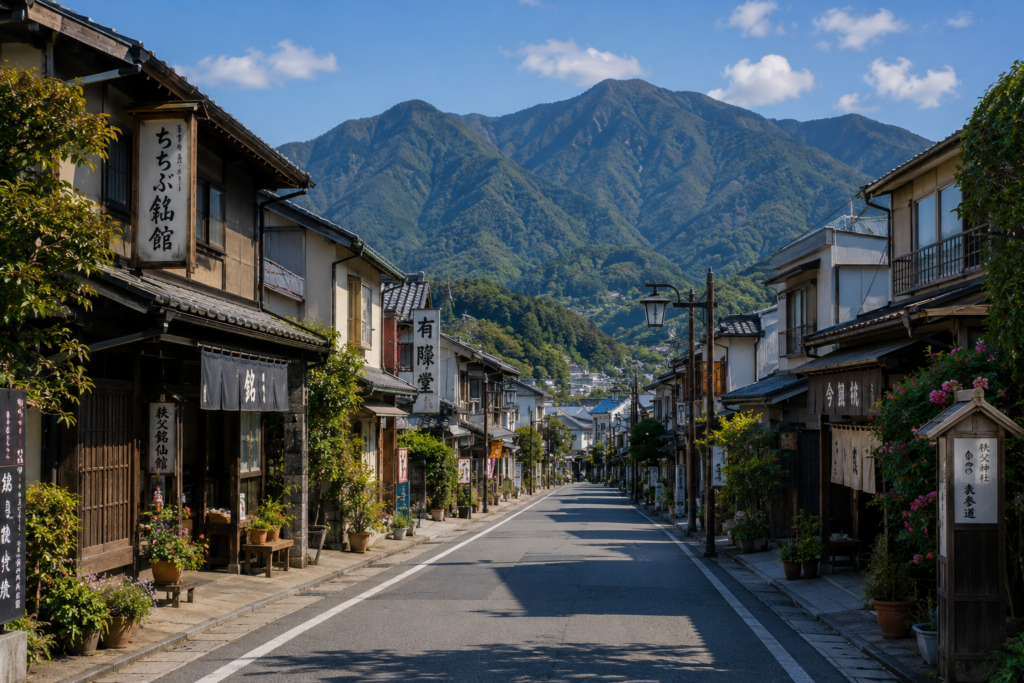
Surrounded by forests and mountains, the region offers peaceful hiking trails, traditional shrines, seasonal flower parks, and one of the most relaxed atmospheres you’ll find near Tokyo. Instead of rushing between famous attractions, visitors often spend the day wandering quiet streets, stopping at family-run cafés, or simply enjoying the scenery.
During autumn, colorful mountain landscapes attract photographers from across Japan, while spring brings spectacular pink moss fields to nearby Hitsujiyama Park.
Chichibu is one of those places that still feels refreshingly authentic despite being so close to Tokyo. Travelers searching for quieter temples, mountain scenery, and traditional festivals often include it among Japan’s hidden gems, especially when looking beyond the country’s most famous sightseeing routes.
📊 Best Day Trips from Tokyo Comparison Table
| Destination | Travel Time | Best Season | Perfect For |
|---|---|---|---|
| Hakone | 90 min | Autumn & Winter | Hot springs, mountain scenery |
| Kamakura | 1 hour | Spring | Temples, history, beaches |
| Kawaguchiko | 2 hours | Spring & Autumn | Mount Fuji views |
| Nikko | 2 hours | Autumn | UNESCO shrines, waterfalls |
| Yokohama | 35 min | All year | Food, waterfront, museums |
| Enoshima | 90 min | Summer | Beaches, seafood, sunsets |
| Kawagoe | 45 min | Autumn | Edo-era streets |
| Atami | 90 min | Winter | Oceanfront onsen |
| Mount Takao | 1 hour | Autumn | Hiking |
| Chichibu | 90 min | Spring & Autumn | Nature, flowers, hidden gems |
How to Choose the Best Day Trip from Tokyo
With so many incredible destinations within easy reach of the capital, choosing just one can feel surprisingly difficult. The good news is that there isn’t a single “best” answer. The right destination depends on the kind of experience you’re hoping to have.
If it’s your first trip to Japan, Hakone and Kawaguchiko remain two of the most rewarding choices. Both offer iconic landscapes, unforgettable views of Mount Fuji, and experiences that feel completely different from Tokyo.
Travelers interested in Japanese history usually fall in love with Kamakura or Nikko, where ancient temples, peaceful gardens, and traditional architecture create an atmosphere that simply can’t be found in modern cities.
If your ideal day includes walking beside the ocean, eating fresh seafood, and watching the sunset from a quiet promenade, Enoshima and Atami are difficult to beat.
Those who enjoy wandering through places that still feel authentic rather than heavily touristed often find themselves returning to Kawagoe or Chichibu long after their first visit to Japan.
One of the greatest advantages of using Tokyo as your base is flexibility. Even if the weather changes unexpectedly, there is almost always another destination nearby that suits the season better. Many experienced travelers plan only the first few days of their itinerary in advance, leaving enough room to choose day trips according to the forecast, seasonal flowers, or simply how they feel that morning.
FAQ
What is the best day trip from Tokyo for first-time visitors?
Hakone is often the top recommendation because it combines mountain scenery, traditional hot springs, scenic transportation, and some of Japan’s best views of Mount Fuji. If you’re looking for a classic Japanese experience in a single day, it’s difficult to find a better destination.
Can you visit Mount Fuji in one day from Tokyo?
Yes. Kawaguchiko is one of the easiest and most popular Mount Fuji day trips from Tokyo. Direct trains and buses make it possible to visit comfortably without staying overnight.
Which day trip is best during autumn?
Autumn is one of the most beautiful seasons for exploring central Japan. Nikko is famous for spectacular maple foliage, Hakone offers colorful mountain landscapes, while Kawaguchiko combines brilliant autumn colors with crystal-clear views of Mount Fuji.
What is the easiest day trip using public transportation?
Yokohama, Kamakura, Kawagoe, and Mount Takao are all extremely easy to reach by train, making them excellent choices for travelers who don’t plan to drive.
Is Hakone better than Kamakura?
They offer completely different experiences.
Hakone is perfect for nature, hot springs, and mountain scenery.
Kamakura is ideal for temples, Japanese history, traditional streets, and coastal walks.
Many travelers eventually visit both because they complement each other so well.
Are day trips from Tokyo expensive?
Not necessarily. Some destinations, such as Kawagoe or Mount Takao, can be explored on a relatively small budget using local trains. Others, like Hakone or Kawaguchiko, may cost a little more because of sightseeing passes, ropeways, or cruises, but they still make excellent value compared with staying overnight.
Can I visit two destinations in one day?
Yes.
Kamakura and Enoshima are the most popular combination thanks to their short distance from one another. They offer a balanced mix of historic temples, seaside scenery, cafés, and beaches without feeling rushed.
Which destination is best for photographers?
Kawaguchiko remains the favorite for iconic Mount Fuji views, while Nikko is spectacular during autumn, and Enoshima offers beautiful sunsets throughout much of the year.
Conclusion
One of the greatest things about Tokyo is that you never have to choose between city life and nature.
Within a surprisingly short journey, busy railway stations give way to quiet temple gardens, volcanic valleys, peaceful coastlines, historic castle towns, and mountain landscapes that feel worlds away from the capital. These contrasts are part of what makes Japan so memorable. Every train ride reveals another side of the country, and every destination tells a different story.
Many travelers arrive expecting Tokyo to be the highlight of their journey, only to discover that their favorite memories were made somewhere beyond the city limits. Watching the sun rise behind Mount Fuji, wandering through Kamakura’s centuries-old temples, soaking in a mountainside onsen in Hakone, or finding a quiet café in Kawagoe often become the moments people remember long after returning home.
One of the biggest advantages of staying in Tokyo is how easily you can experience completely different sides of Japan without changing hotels. One day you might be relaxing beside Lake Ashi in Hakone, the next wandering through the historic streets of Kamakura or watching the sunset on Enoshima Island. Travelers with a little more time often venture beyond the classic routes to discover lesser-known places across Japan, while choosing the right season can completely transform the scenery—from spring cherry blossoms to brilliant autumn colors and crystal-clear winter views.
If this is your first visit, don’t feel pressured to see everything at once. Choosing just one or two best day trips from Tokyo is often enough to experience a completely different side of Japan—and it might even inspire your next journey back.


You May Also Like

10 Magical Things to Do in Tokyo in One Perfect Day (from Someone Who Actually Lives Here)

Most Beautiful Cities in Japan to Visit in 2025