Tattoo-Friendly Onsens in Tokyo: Where to Relax Without Hiding Your Tattoos
For years, finding tattoo-friendly onsens in Tokyo felt almost impossible. Travelers arriving in Japan with even the smallest tattoo often heard the same warning: traditional hot springs and bathhouses might refuse entry. Although attitudes have gradually changed, tattoos still carry cultural associations that date back centuries, making many visitors wonder whether they will be allowed to enjoy one of Japan’s most beloved traditions.
Fortunately, modern Tokyo offers far more options than it did a decade ago. Today, visitors can find an increasing number of onsens that allow tattoos in Tokyo, ranging from historic bathhouses to luxury spa complexes and natural hot springs on the outskirts of the city. Some facilities openly welcome guests with body art, while others permit tattoos if they can be covered with special stickers.
Understanding where to go—and how to behave once you arrive—can make all the difference. Whether you have a tiny minimalist design or a full sleeve inspired by Japanese traditional tattoos and their meanings, this guide covers everything you need to know about the best tattoo-friendly onsens in Tokyo, local etiquette, and practical tips for enjoying Japanese bathing culture without stress.
Why Are Tattoos Still Restricted in Japanese Onsens?
The complicated relationship between tattoos and Japanese bathhouses is deeply rooted in history. Traditional Japanese tattoos, known as irezumi, have existed for centuries and have evolved from decorative art into symbols associated with social status, spirituality, and, later, criminal organizations.
Many modern travelers become curious about this connection after exploring the fascinating history behind Yakuza tattoo meaning. During the twentieth century, elaborate body art became strongly linked to organized crime groups, leading many public bathhouses to introduce strict no-tattoo policies.
Today, the situation is changing. International tourism, younger generations, and growing interest in tattoo culture have encouraged many businesses to reconsider their rules. However, not every establishment has adapted at the same pace. Some Tokyo onsens with tattoos allowed advertise their policies clearly, while others still maintain restrictions to avoid making older customers uncomfortable.
As a result, researching tattoo-friendly onsens in Tokyo before your visit remains essential.

Best Tattoo-Friendly Onsens in Tokyo
Finding a place that accepts tattoos is much easier today, but policies vary considerably. Some facilities welcome all tattoos, while others impose size restrictions or require guests to cover visible designs.
| Onsen | Tattoo Policy | Area |
|---|---|---|
| Tokyo Toyosu Manyo Club | Tattoos allowed in certain areas | Toyosu |
| Thermae-Yu | Small tattoos permitted with conditions | Shinjuku |
| Niwa no Yu | Tattoo stickers may be required | Nerima |
| Mikokuyu | Tattoo-friendly sento | Sumida |
| Sayano Yudokoro | Policy may vary | Itabashi |
Because rules can change, checking the official website before visiting is always recommended.
Tokyo Toyosu Manyo Club
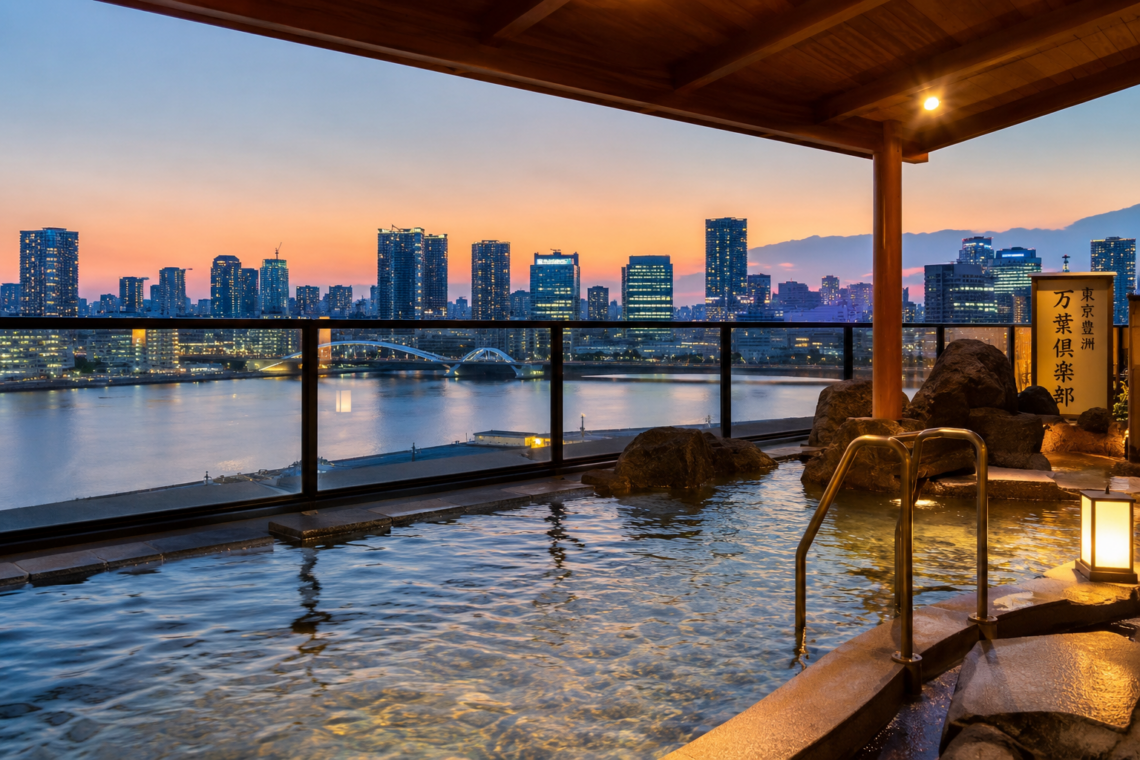
Located near Tokyo Bay, the large hot spring complex at Toyosu has become one of the most popular options for tourists looking for onsens in Tokyo that accept tattoos. The facility combines indoor baths, open-air pools, relaxation lounges, restaurants, and rooftop foot baths with impressive city views.
Visitors searching for a complete spa experience often choose this location because it feels more like a wellness resort than a traditional neighborhood bathhouse. International guests are common, and English information is widely available.
Thermae-Yu in Shinjuku
In the heart of Shinjuku, Thermae-Yu offers a convenient option for travelers staying in central Tokyo. The spa features multiple mineral baths, saunas, relaxation rooms, and wellness treatments.
Although tattoo policies occasionally change, Thermae-Yu has become known among tourists searching for tattoo-friendly spas in Tokyo. Since regulations may depend on tattoo size and placement, confirming the latest rules before visiting is important.
Mikokuyu: A Traditional Sento Experience
Those who want a more authentic atmosphere should consider Mikokuyu in Sumida. Unlike massive spa complexes, this bathhouse preserves the charm of traditional Japanese neighborhood bathing culture while remaining welcoming to many tattooed visitors.
For travelers interested in Japanese aesthetics and body art culture—perhaps after browsing collections of back tattoo ideas for women —visiting a local sento can provide a completely different perspective on everyday life in Tokyo.
The Difference Between Onsens, Sento, and Spa Complexes
One reason visitors become confused while researching tattoo-friendly onsens in Tokyo is that not all bathing facilities are technically onsens.
What Is an Onsen?
An onsen uses naturally heated mineral water from underground hot springs. These baths are often located in mountain towns but can also be found within Tokyo.
What Is a Sento?
A sento is a public bathhouse that typically uses heated tap water. Sento culture has long been part of daily Japanese life, especially in older neighborhoods.
What Is a Super Sento?
A super sento combines baths, restaurants, massage services, lounges, and entertainment areas. These large complexes are generally more flexible regarding tattoos than traditional establishments.
Understanding these differences makes it easier to identify the best tattoo-friendly hot springs in Tokyo that fit your travel style.
Can Foreign Tourists With Tattoos Visit Onsens in Tokyo?
The short answer is yes—but preparation matters.
Many tourists assume that Japan has banned tattoos entirely, but this is not true. In reality, each facility creates its own rules. Some welcome tattooed guests without restrictions, while others allow only small designs or require tattoo covers.
Travelers with large tattoos should pay special attention when planning visits to ryokan hotels, countryside hot springs, and historic bathhouses. While Tokyo remains one of the easiest places in Japan to find tattoo-friendly onsens, rules become stricter in certain rural regions.
Before your trip, checking current policies online can save considerable time and disappointment.
Common search queries include:
- Can foreigners with tattoos go to an onsen in Japan?
- Do Tokyo hot springs allow tattoos?
- Can I enter an onsen with a sleeve tattoo?
- Which onsens in Tokyo accept tourists with tattoos?
- Are small tattoos allowed in Japanese bathhouses?
Google users often search for these questions because the answer varies depending on the facility.

Tattoo Etiquette: Rules You Should Know Before Visiting an Onsen
Even in the most welcoming tattoo-friendly onsens in Tokyo, following proper etiquette is essential. Japanese bathing culture places great importance on cleanliness, respect, and consideration for others.
Wash Thoroughly Before Entering the Bath
Guests must shower and clean themselves completely before stepping into communal baths. This is one of the most important customs in Japanese bathing culture.
Keep Towels Out of the Water
Small towels are often used for modesty, but they should never touch the bathwater. Many visitors place them on their heads or leave them beside the pool.
Avoid Taking Photos
Photography inside bathing areas is generally prohibited to protect guests’ privacy.
Speak Quietly
Onsens are designed for relaxation. Loud conversations, phone calls, and disruptive behavior are discouraged.
Check the Tattoo Policy in Advance
Even among tattoo-friendly onsens in Tokyo, some establishments limit tattoo size or ask guests to use cover stickers.
Respecting these customs helps preserve the welcoming atmosphere that has allowed more bathhouses to open their doors to tattooed travelers.
Are Tattoo Restrictions in Japan Changing?
The answer is definitely yes.
Over the last decade, Japan has experienced record tourism growth, and public attitudes toward tattoos have slowly evolved. Major international events, social media, and the global popularity of Japanese culture have encouraged businesses to become more flexible.
At the same time, younger Japanese generations increasingly view tattoos as fashion and self-expression rather than symbols of criminal affiliation. Interest in Japanese traditional tattoos, samurai imagery, dragons, koi fish, and contemporary body art has expanded far beyond Japan’s borders.
However, change remains gradual. While Tokyo, Osaka, and Kyoto now offer many tattoo-friendly spas and onsens, some traditional establishments still maintain longstanding restrictions.
Travelers planning to explore deeper aspects of Japanese body art culture often become fascinated by the symbolism behind dragons, waves, masks, and mythical creatures that appear throughout Japanese traditional tattoos and their meanings.
Tips for Finding More Tattoo-Friendly Onsens in Tokyo
Because policies frequently change, experienced travelers rely on several strategies:
| Tip | Why It Helps |
|---|---|
| Check official websites | Rules are updated regularly. |
| Search recent reviews | Visitors often mention tattoo policies. |
| Look for international-friendly facilities | Tourist-oriented spas are usually more flexible. |
| Contact the onsen directly | Staff can confirm current restrictions. |
| Consider super sento | Large spa complexes tend to be more accommodating. |
If you plan to visit multiple bathhouses during your trip, saving a shortlist of Tokyo tattoo-friendly onsens on your phone can be extremely helpful.

FAQ
Can tourists with tattoos go to an onsen in Tokyo?
Yes. Many tattoo-friendly onsens in Tokyo welcome tourists with tattoos, although some facilities impose restrictions based on size or visibility.
Are small tattoos accepted more often?
Generally, yes. Small tattoos are often easier to accommodate, and some bathhouses allow them if they are covered with special stickers.
What is the difference between an onsen and a sento?
An onsen uses natural hot spring water, while a sento is a public bathhouse that typically uses heated tap water.
Do luxury hotels in Tokyo allow tattoos in their spas?
Policies vary widely. Some luxury hotels permit tattoos, while others follow traditional restrictions.
Can people with full-sleeve tattoos visit Japanese hot springs?
Yes, but researching carefully is essential. Larger tattoos may still be restricted at certain locations.
Are tattoo rules stricter outside Tokyo?
In many rural areas, traditional bathhouses maintain stricter policies than those found in Tokyo.
Conclusion
Finding tattoo-friendly onsens in Tokyo is far easier today than many travelers expect. While Japan’s complicated history with tattoos still influences some bathhouses, Tokyo now offers a growing number of welcoming options, from neighborhood sento to luxurious spa complexes overlooking the city.
The key is preparation. Checking policies in advance, understanding local etiquette, and respecting the traditions surrounding Japanese bathing culture will help ensure a relaxing experience. Whether your body art consists of delicate fine-line designs or large pieces inspired by Japanese traditional tattoos and their meanings, there are plenty of opportunities to enjoy one of Japan’s most iconic experiences.
As attitudes continue to evolve, the list of tattoo-friendly onsens in Tokyo is likely to expand, making it easier than ever for tattooed travelers to immerse themselves in Japanese culture.


You May Also Like

Discover India Differently: 7 Spectacular Places You Have to See for Yourself

Top 5 Most Iconic Casino Buildings in the World
