Healthy Sleep Habits That Actually Work
Getting enough sleep is one of the most important things you can do for your physical and mental well-being, yet it’s often the first healthy habit people sacrifice. Busy schedules, late-night screen time, stress, and inconsistent routines make quality sleep increasingly difficult to achieve. Even when people spend enough hours in bed, they may still wake up feeling tired because the quality of their sleep isn’t as restorative as it could be.
The good news is that better sleep rarely depends on expensive gadgets or complicated routines. Small, consistent lifestyle changes often have the biggest impact. Developing Healthy Sleep Habits can improve your energy levels, concentration, mood, immune system, and overall quality of life while reducing stress and helping your body recover more effectively.
Modern sleep research consistently shows that healthy routines before bedtime influence how quickly we fall asleep and how deeply we rest throughout the night. Creating a predictable schedule, reducing evening stimulation, and building relaxing habits all contribute to healthier sleep patterns that become easier to maintain over time.
In this guide, you’ll discover practical Better Sleep Tips, understand the importance of Sleep Hygiene, and learn simple strategies to Improve Sleep Naturally without making your evenings feel complicated.

Why Healthy Sleep Habits Matter
Sleep is much more than simply resting after a busy day. During the night, your body repairs tissues, strengthens the immune system, regulates hormones, processes memories, and restores both physical and mental energy. When sleep becomes inconsistent or poor in quality, nearly every aspect of health can be affected.
People who consistently follow strong Healthy Sleep Habits often report better concentration, improved productivity, greater emotional balance, and more stable energy throughout the day. Quality sleep also supports healthy metabolism, exercise recovery, cardiovascular health, and overall well-being.
Unfortunately, many people unintentionally develop habits that interfere with natural sleep. Irregular bedtimes, excessive caffeine late in the day, constant phone notifications, bright screens, and high stress levels all make it harder for the brain to transition into restful sleep.
Fortunately, improving these daily habits is often enough to produce noticeable changes within a relatively short period of time.

Create a Healthy Evening Routine
One of the most effective ways to Improve Sleep Naturally is by following a consistent Healthy Evening Routine. Your brain responds well to predictable patterns. Repeating the same relaxing activities each night gradually teaches your body that it’s time to prepare for sleep.
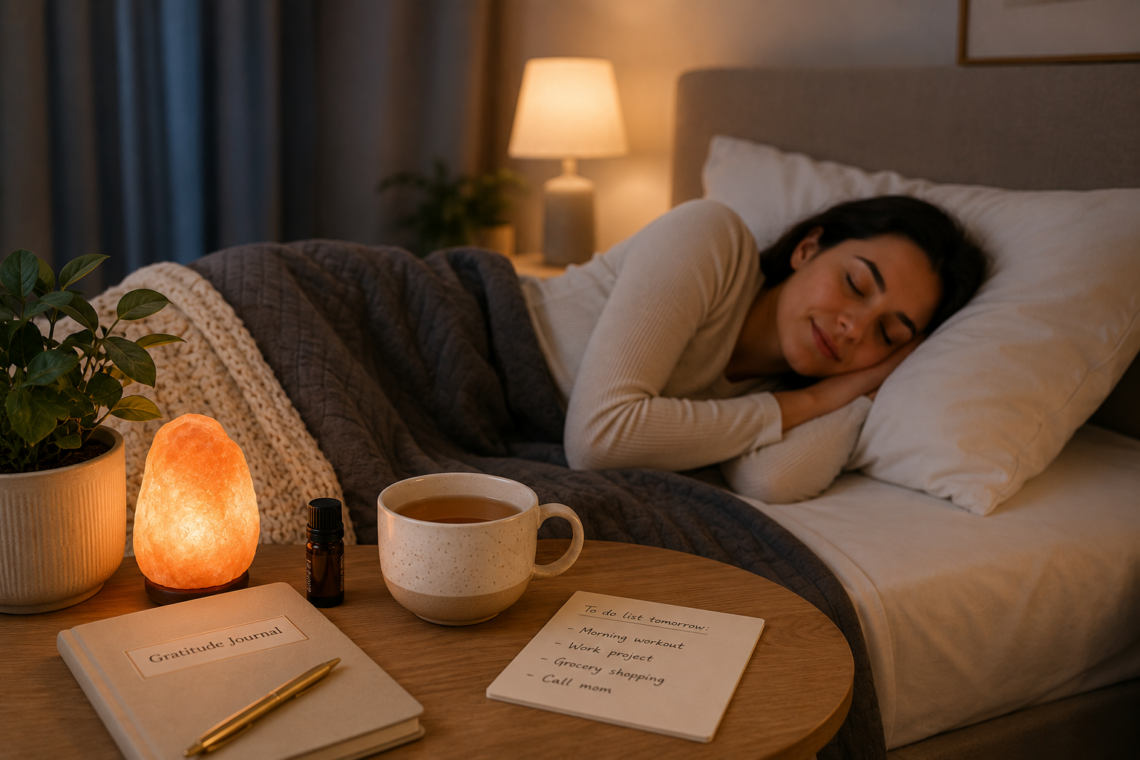
A calming evening might begin by dimming household lights, putting away work, reducing screen time, and avoiding emotionally stimulating activities. Many people enjoy reading a book, taking a warm shower, listening to gentle music, journaling, or drinking a caffeine-free herbal tea before bed.
Relaxation doesn’t need to be complicated. Even spending ten or fifteen quiet minutes away from digital devices can help lower stress and make it easier to fall asleep.
Some people also include a few Easy Yoga Poses before bedtime. Gentle stretches can reduce muscle tension, encourage slower breathing, and help the body transition into a more relaxed state without intense physical activity.
Consistency matters far more than perfection. A simple routine followed every evening usually produces better long-term results than an elaborate schedule that’s difficult to maintain.

Improve Your Sleep Hygiene
Good Sleep Hygiene refers to the daily habits and environmental factors that support healthy, restorative sleep. While the phrase may sound technical, it simply means creating conditions that help your body fall asleep more easily and stay asleep throughout the night.
Your bedroom should ideally be quiet, cool, dark, and comfortable. Blackout curtains, supportive pillows, breathable bedding, and minimizing unnecessary noise can all contribute to deeper sleep. Many sleep specialists also recommend keeping electronic devices away from the bed whenever possible, since scrolling through social media or checking emails often keeps the brain alert long after bedtime.
Interestingly, healthy mornings also influence better nights. A consistent wake-up time helps regulate your body’s internal clock, making it easier to feel sleepy at an appropriate hour each evening. Many wellness enthusiasts combine good sleep habits with a balanced Morning Shed Routine, creating healthy structure at both the beginning and end of the day to support better energy and overall well-being.

Foods and Drinks That Can Help You Sleep Better
What you eat and drink during the evening can have a surprisingly large impact on sleep quality. While no single food guarantees perfect rest, making thoughtful choices before bedtime can help your body transition into a more relaxed state.
Caffeine is one of the biggest factors affecting sleep. Coffee, black tea, energy drinks, and some soft drinks can remain in your system for several hours, making it harder to fall asleep even if you don’t immediately feel alert. Many sleep experts recommend limiting caffeine during the afternoon, especially for people who are sensitive to its effects.
Heavy meals late at night can also interfere with sleep. Eating large portions immediately before bed may cause discomfort and make it more difficult for your body to relax. Instead, a light evening snack is often a better option if you feel hungry.
Many people find that warm herbal teas such as chamomile or peppermint become comforting parts of their Healthy Evening Routine. Warm milk, bananas, oats, yogurt, almonds, and kiwi are also commonly included in balanced bedtime snacks because they fit easily into a healthy lifestyle.
The goal isn’t following strict food rules but creating consistent habits that support Healthy Sleep Habits over the long term.

Common Mistakes That Ruin Sleep
Many people unknowingly sabotage their sleep through small daily habits that gradually become routine. Fortunately, recognizing these behaviors is often the first step toward better rest.
One of the most common mistakes is using phones, tablets, or laptops immediately before bedtime. Bright screens and constant notifications keep the brain mentally engaged, making it more difficult to relax naturally.
Irregular sleep schedules also confuse your body’s internal clock. Going to bed at midnight one evening and 2 a.m. the next forces your brain to constantly readjust, making it harder to establish a consistent Sleep Routine.
Another overlooked factor is stress. Worrying about tomorrow’s responsibilities often leads to racing thoughts that delay sleep. Many people benefit from writing a simple to-do list before bed so their mind no longer feels responsible for remembering everything overnight.
Sleeping in dramatically on weekends may seem helpful after a busy week, but it often makes Monday mornings more difficult by disrupting your natural sleep rhythm.
Replacing these habits with healthier alternatives can significantly improve both sleep quality and daytime energy.

Simple Ways to Relax Before Bed
Learning to Relax Before Bed doesn’t require complicated meditation techniques or expensive wellness products. The most effective evening rituals are often the simplest.
Deep breathing exercises help slow the heart rate while encouraging the body to shift into a calmer state. Reading a printed book instead of scrolling through social media gives the brain an opportunity to gradually reduce stimulation. Soft lighting, calming music, aromatherapy, and quiet reflection can also contribute to a more peaceful evening atmosphere.
Some people enjoy keeping a gratitude journal, writing down three positive moments from the day before going to sleep. Others prefer gentle stretching, light breathing exercises, or simply sitting quietly for a few minutes without digital distractions.
Rather than trying dozens of different relaxation methods, choose one or two activities that feel enjoyable and easy to repeat every evening. Consistency is what ultimately helps signal to your brain that bedtime is approaching.

Building Healthy Sleep Habits That Last
Creating lasting Healthy Sleep Habits isn’t about following a perfect routine every night. It’s about making small improvements that gradually become automatic.
Start by choosing a realistic bedtime and wake-up time that you can maintain most days of the week. Keep your bedroom comfortable, reduce evening screen time when possible, and develop a relaxing routine that you actually enjoy rather than forcing yourself to follow an unrealistic schedule.
It’s also helpful to pay attention to how different habits affect your sleep. You may notice that afternoon caffeine, late-night work, or inconsistent meal times have a greater impact than expected. Making gradual adjustments allows your body to adapt naturally without feeling overwhelmed.
The most successful sleep routines are flexible enough to fit real life while remaining consistent enough to support long-term health. Small changes practiced regularly often produce far greater results than dramatic lifestyle overhauls that are difficult to maintain.
Frequently Asked Questions
What are Healthy Sleep Habits?
Healthy Sleep Habits are daily routines that help you fall asleep more easily, stay asleep throughout the night, and wake up feeling rested. They include maintaining a consistent sleep schedule, practicing good Sleep Hygiene, and following a relaxing evening routine.
How can I Improve Sleep Naturally?
You can improve sleep naturally by following a regular bedtime, reducing evening screen time, limiting late-day caffeine, keeping your bedroom cool and quiet, and creating a calming bedtime routine.
What is Sleep Hygiene?
Sleep Hygiene refers to healthy habits and environmental conditions that support quality sleep, including a comfortable bedroom, consistent sleep schedule, and minimizing distractions before bed.
How long does it take to develop better sleep habits?
Many people begin noticing improvements within one to three weeks of consistently practicing healthier bedtime routines, although individual results vary.
What is the best evening routine for better sleep?
A good Healthy Evening Routine may include dimming the lights, avoiding screens, reading, gentle stretching, drinking herbal tea, or practicing relaxation exercises before going to bed.
Conclusion
Developing Healthy Sleep Habits is one of the simplest and most effective ways to improve your overall well-being. Better sleep supports physical health, emotional balance, productivity, concentration, and long-term wellness without requiring expensive equipment or complicated routines.
By practicing good Sleep Hygiene, following a consistent Sleep Routine, and making small adjustments to your evenings, you can gradually Improve Sleep Naturally and wake up feeling more refreshed each day. Remember that lasting results come from consistency rather than perfection. Even small, sustainable habits can make a meaningful difference over time, helping you enjoy deeper sleep, better energy, and a healthier lifestyle for years to come.


You May Also Like

Mental Health and Self-Care Tips 2025: Habits, Vitamins & Stress Relief

Digital Detox Tips That Actually Work: Real Ways to Unplug Without Stress
