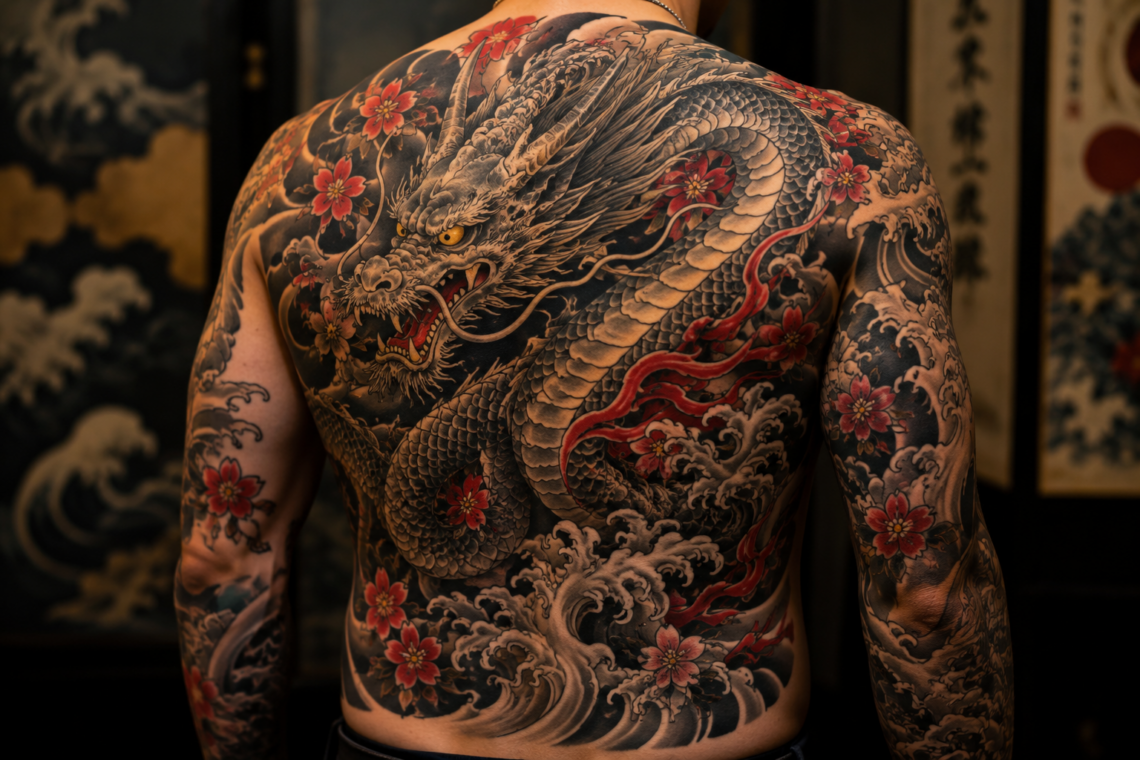
Japanese Dragon Tattoo Meaning: History, Symbolism, and Traditional Designs
The Japanese dragon tattoo meaning goes far beyond impressive artwork and bold designs. In Japan, dragons symbolize wisdom, protection, prosperity, strength, and balance with nature. Unlike the fearsome creatures found in many Western legends, Japanese dragons are often viewed as benevolent beings connected to water, spirituality, and divine power.
For centuries, dragons have appeared in Japanese folklore, temples, paintings, and traditional tattoo art known as irezumi. Today, they remain among the most popular motifs for people seeking meaningful body art inspired by Japanese culture. Whether incorporated into full sleeves, back pieces, or modern minimalist tattoos, dragons continue to fascinate tattoo enthusiasts around the world.
Understanding the Japanese dragon tattoo meaning requires exploring mythology, history, symbolism, colors, and the role dragons play in traditional Japanese tattoo culture. Many people discover these motifs after learning about Japanese traditional tattoos and their meanings, where dragons stand alongside koi fish, samurai, tigers, and mythical creatures as some of the most iconic symbols in irezumi.
The History Behind the Japanese Dragon Tattoo Meaning
The origins of Japanese dragon symbolism stretch back thousands of years and were influenced by Chinese mythology, Buddhism, and local legends. Ancient stories describe dragons as powerful guardians of rivers, seas, rainfall, and harvests.
Unlike European dragons, which are often portrayed as monsters to be defeated, Japanese dragons usually represent harmony between humans and nature. They are believed to control water, storms, and the changing seasons, making them symbols of protection and prosperity.
Traditional tattooing in Japan flourished during the Edo period (1603–1868), when elaborate body art became popular among firefighters, laborers, and merchants. Dragon imagery quickly emerged as one of the most respected tattoo designs because of its connection to courage, wisdom, and spiritual strength.
Over time, dragons also became associated with the intricate world explored in Yakuza tattoo. Full-body dragon tattoos were often chosen to represent loyalty, endurance, and personal transformation.
Today, the Japanese dragon tattoo meaning continues to evolve, attracting people from different cultures who appreciate both its aesthetic beauty and deeper symbolism.

What Does a Japanese Dragon Tattoo Mean?
At its core, the Japanese dragon tattoo meaning revolves around positive qualities and spiritual power. Depending on the design, pose, and color, a dragon tattoo may symbolize several different ideas.
Wisdom and Intelligence
Japanese dragons are often seen as ancient beings possessing extraordinary knowledge. A dragon tattoo can represent wisdom, maturity, and the ability to make thoughtful decisions.
Strength and Courage
One of the most common interpretations of the Japanese dragon tattoo meaning is strength. Dragons embody resilience, determination, and the courage to overcome obstacles.
Protection and Good Fortune
In Japanese mythology, dragons frequently serve as guardians of sacred places, treasures, and natural forces. Many people choose dragon tattoos as protective symbols intended to attract luck and prosperity.
Balance and Harmony
Because dragons control rain, rivers, and the sea, they symbolize balance within the natural world. This aspect of the Japanese dragon tattoo meaning appeals to people seeking inner peace and stability.
Transformation and Personal Growth
Like the koi fish that transforms into a dragon in East Asian legends, dragon tattoos often represent perseverance and personal evolution.
Japanese Dragon Colors and Their Meanings
Color plays a major role in traditional dragon tattoos. The meaning of a dragon tattoo may change significantly depending on the chosen palette.
| Dragon Color | Symbolism |
|---|---|
| Black Dragon | Wisdom, experience, mystery |
| Red Dragon | Strength, passion, protection |
| Blue Dragon | Calmness, forgiveness, spirituality |
| Green Dragon | Nature, life, health |
| Gold Dragon | Wealth, prosperity, success |
| White Dragon | Purity and divine energy |
Black Dragon Tattoo Meaning
A black dragon often symbolizes experience, authority, and deep wisdom. It is one of the most traditional choices in Japanese tattoo art.
Red Dragon Tattoo Meaning
The red dragon represents energy, courage, and protective power. It is associated with intensity and strong emotions.
Blue Dragon Tattoo Meaning
Blue dragons symbolize serenity, compassion, and connection with the spiritual world.
Gold Dragon Tattoo Meaning
Among the most visually striking designs, gold dragons are linked to wealth, abundance, and good fortune.
Because color carries such symbolic weight, understanding the full Japanese dragon tattoo meaning involves looking beyond the artwork itself.
Japanese Dragon Tattoo Designs and Styles
There is no single dragon tattoo style in Japan. Traditional and modern interpretations vary widely.
Full Back Japanese Dragon Tattoo
Large back tattoos remain one of the most iconic forms of irezumi. Their scale allows artists to include waves, clouds, cherry blossoms, and fire elements surrounding the dragon.
People exploring inspiration for larger pieces often transition naturally from collections like back tattoo ideas for women you’ll totally want in 2025 toward traditional Japanese designs.
Japanese Dragon Sleeve Tattoo
Sleeves are among the most popular options for modern tattoo enthusiasts. A dragon can wrap around the arm, creating a sense of movement and power.
Chest and Shoulder Dragon Tattoos
Chest and shoulder placements emphasize the dragon’s strength and make it possible to combine the creature with tigers, phoenixes, or samurai imagery.
Minimalist Japanese Dragon Tattoos
Contemporary tattoo culture has inspired simpler interpretations of classic motifs. Fine-line dragons and small black-ink designs appeal to people who want subtle references to Japanese symbolism.

The Different Types of Japanese Dragons
The Japanese dragon tattoo meaning can also depend on the specific dragon depicted.
Ryū (龍)
The most recognizable Japanese dragon, Ryū is associated with wisdom, protection, and mastery over water.
Sui-Ryū
This dragon governs rain and weather. It symbolizes abundance and fertility.
Han-Ryū
Known for its striped body, Han-Ryū often represents individuality and uniqueness.
Fuku-Ryū
Fuku-Ryū is considered the dragon of fortune and prosperity.
Hai-Ryū
Associated with the heavens, Hai-Ryū symbolizes ambition and spiritual growth.
Each of these mythical beings contributes to the rich symbolism behind the Japanese dragon tattoo meaning.
Japanese Dragon Tattoos in Traditional Irezumi
Traditional irezumi follows artistic conventions that have remained largely unchanged for centuries. Dragons are rarely tattooed alone; they are usually accompanied by symbolic elements that add layers of meaning.
Common combinations include:
- Dragon and koi fish tattoos representing transformation.
- Dragon and tiger tattoos symbolizing balance.
- Dragon and cherry blossom tattoos reflecting the fleeting nature of life.
- Dragon and waves tattoos emphasizing the creature’s connection to water.
- Dragon and samurai tattoos expressing courage and honor.
- Dragon and phoenix tattoos symbolizing harmony between opposing forces.
These motifs appear frequently in discussions of Japanese traditional tattoos and their meanings, where symbolism plays as important a role as aesthetics.
Are Japanese Dragon Tattoos Connected to the Yakuza?
One of the most common questions surrounding the Japanese dragon tattoo meaning concerns its connection to organized crime.
Historically, members of the yakuza often wore elaborate tattoos featuring dragons, tigers, and mythological scenes. However, dragons themselves are not criminal symbols.
Today, millions of people around the world choose dragon tattoos simply because they appreciate Japanese art, mythology, and the symbolism of strength and wisdom. Although dragon imagery appears prominently in discussions of Yakuza tattoo meaning, its cultural roots extend far beyond criminal organizations.
Modern Japanese tattoo artists continue to reinterpret dragon motifs for clients from every background.

Choosing the Right Placement for a Japanese Dragon Tattoo
Placement significantly influences both the appearance and symbolism of a tattoo.
| Placement | Popular Meaning |
|---|---|
| Back | Power and protection |
| Sleeve | Strength and determination |
| Chest | Courage and personal values |
| Leg | Progress and movement |
| Shoulder | Responsibility and leadership |
Larger placements allow artists to preserve the flowing lines and dynamic movement that define traditional Japanese dragon tattoos.
How Much Does a Japanese Dragon Tattoo Cost?
The price of a Japanese dragon tattoo varies widely depending on several factors:
- Tattoo size.
- Artist experience.
- Studio location.
- Color complexity.
- Number of sessions.
- Traditional versus modern style.
A small dragon tattoo may cost a few hundred dollars, while a full-back irezumi piece can require dozens of hours and several thousand dollars.
Because dragon tattoos are highly detailed, experienced artists generally recommend prioritizing quality over price.
FAQ
What does a Japanese dragon tattoo symbolize?
The Japanese dragon tattoo meaning typically includes wisdom, protection, strength, prosperity, and harmony with nature.
Are Japanese dragons good or evil?
Unlike many Western dragons, Japanese dragons are generally viewed as protective and benevolent creatures.
Does a Japanese dragon tattoo mean yakuza?
No. Although dragon tattoos have appeared in yakuza culture, they are much older symbols rooted in mythology and spirituality.
Which color dragon tattoo is the most powerful?
There is no universally “most powerful” color. Black dragons often symbolize wisdom, while gold dragons represent prosperity and success.
Can women get Japanese dragon tattoos?
Absolutely. Dragon tattoos are popular among both men and women and can be adapted to different styles and placements.
What goes well with a Japanese dragon tattoo?
Popular additions include koi fish, cherry blossoms, waves, samurai, tigers, and phoenixes.
Conclusion
The enduring popularity of the Japanese dragon tattoo meaning lies in its rich symbolism and deep cultural roots. More than just an impressive design, the Japanese dragon represents wisdom, courage, protection, transformation, and balance.
From traditional full-back irezumi to modern minimalist interpretations, dragon tattoos continue to evolve while preserving centuries-old symbolism. Whether you are drawn to their connection with mythology, fascinated by the history behind Japanese traditional tattoos and their meanings, or intrigued by the artistic traditions explored through Yakuza tattoo meaning, the Japanese dragon remains one of the most meaningful and visually striking tattoo motifs in the world.


You May Also Like

Butter Candle TikTok Trend 2025: Edible Candle Dinners & Viral Recipes You Must Try

Solo Female Travel in Japan 2026: Why Japan Is One of the Safest and Best Destinations for Women Traveling Alone
