Omikuji in Japan: What These Japanese Fortune Slips Really Mean
If you’re planning a trip to Japan, visiting a shrine or temple can be one of those experiences that feels completely different from anything you might do at home. You may come for the architecture, gardens, history, or simply the quiet atmosphere, but there is often something else that catches your attention: a small wooden box filled with thin paper strips.
These are omikuji, traditional Japanese fortune slips that offer a glimpse into what may be ahead.
Getting an omikuji is a simple experience, but there is something surprisingly exciting about pulling out a random fortune and discovering what it says about your future. Your slip may predict good luck, warn you to be patient, or advise caution in areas such as health, relationships, travel, money, and work.
And no, you don’t have to be particularly superstitious to enjoy it. For many visitors, omikuji is simply a fun and memorable part of visiting a Japanese shrine or temple.
What Is Omikuji?
Omikuji are fortune slips traditionally found at Japanese Buddhist temples and Shinto shrines.
The word is often translated as “sacred lot” or “fortune.” You usually make a small donation, draw a number or choose a fortune from a container, and receive a paper describing your luck.
The main fortune can range from extremely lucky to unfortunate, with several levels in between.
You may see terms such as:
- 大吉 (Daikichi) — great blessing or excellent luck
- 吉 (Kichi) — good luck
- 中吉 (Chūkichi) — fairly good luck
- 小吉 (Shōkichi) — small or moderate luck
- 末吉 (Sue-kichi) — future or later luck
- 凶 (Kyō) — bad luck
The exact categories vary from one shrine or temple to another, so don’t assume that every omikuji follows exactly the same ranking.
What makes them interesting is that the fortune isn’t always simply “good” or “bad.” Many slips contain advice about how you should behave or what you should be careful about.
That is arguably the more interesting part.
How Do You Get an Omikuji?
The process is usually very simple.
At many shrines and temples, you’ll find a designated area where omikuji are available. Depending on the location, you may draw a numbered stick from a wooden box and then take the corresponding fortune from a nearby drawer.
Other places have boxes where you simply pull out a folded paper.
Some modern temples and shrines even offer beautifully designed omikuji connected to a particular deity, animal, season, or local tradition.
The price is generally modest, although the exact amount varies by location.
Once you have your fortune, take a moment to read it rather than immediately looking only for the word that tells you whether your luck is good or bad.
The advice is often much more interesting than the headline fortune.
What Does an Omikuji Tell You?
A traditional omikuji can cover several different areas of life.
You might find advice about:
- relationships and love
- work and business
- health
- studying
- travel
- financial matters
- lost objects
- waiting for something
- making important decisions
This is one reason omikuji can feel strangely personal.
Imagine pulling one before starting a long journey and finding advice about travel. Or getting one when you’re thinking about changing jobs and seeing a message about patience and timing.
Of course, it’s not a crystal ball.
Think of it more as a traditional form of reflection — and perhaps an entertaining reminder to slow down and consider what you’re doing.
What Should You Do If You Get Bad Luck?
First: don’t panic.
Getting a bad fortune doesn’t mean that something terrible is going to happen to you.
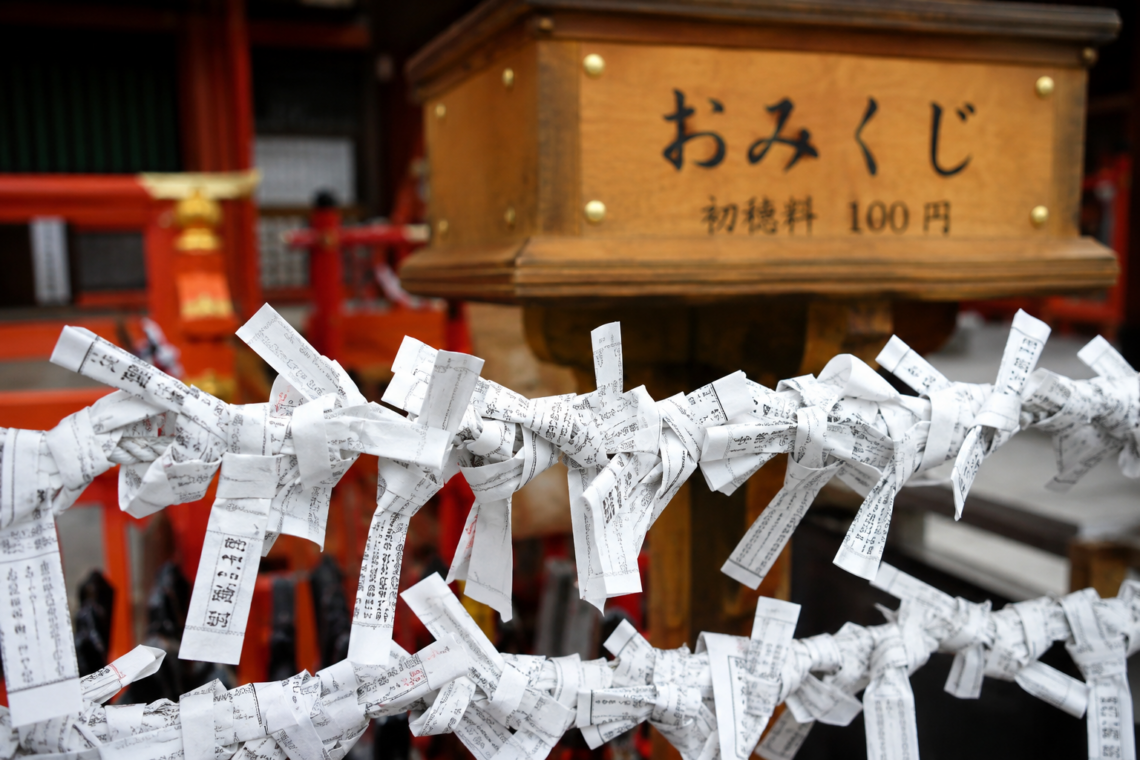
At many shrines and temples, visitors tie an unfavorable omikuji to a designated rack or area, leaving the bad fortune behind and hoping for better luck. If your fortune is positive, you can usually take it home.
A bad omikuji can also be seen as a reminder to be more careful, patient, or thoughtful rather than simply a prediction of something negative.
In other words, Japan has managed to turn bad news into a small ritual of optimism.
Not a bad business model for life. 😄
Should You Keep Your Omikuji?
If you receive a good fortune, you can take it home as a small souvenir and reminder of your visit.
If you get a bad fortune and don’t want to keep it, look for the designated place where visitors tie their omikuji. Don’t attach it to a random tree or fence — shrines and temples usually have a specific area for this purpose.
Omikuji Is More Than Just a Tourist Activity
It’s easy to think of omikuji as another quirky thing tourists do in Japan.
But the tradition is connected to a much older relationship between Japanese religious sites, divination, prayer, and everyday life.
People don’t visit shrines and temples only when they’re sightseeing.
They may come to pray for health, success, relationships, safe travel, academic achievement, or good fortune for their families.
That’s why an omikuji can feel quite different when you’re standing in a quiet shrine surrounded by local visitors rather than treating it as another item on a sightseeing checklist.
And if you want to experience that atmosphere, it can be worth stepping away from Japan’s most famous attractions.
There are plenty of Non Touristy Places in Japan where temples and shrines feel quieter and less crowded, particularly outside the most heavily visited parts of Tokyo and Kyoto.
When Is the Best Time to Try Omikuji?
You can get omikuji throughout the year, but the experience can feel particularly special around New Year.
January is associated with hatsumode, the traditional first shrine or temple visit of the year. During this time, millions of people visit religious sites to pray for good fortune, buy protective charms, and check their fortunes.
You don’t need to visit Japan in January, though. Spring, autumn, and winter can all be wonderful times to explore temples and shrines without the intense summer heat. If you’re planning your trip, the Best Time to Visit Japan depends largely on what you want to see and how you prefer to travel.
Comfortable weather can make a big difference, especially because shrine and temple grounds often involve much more walking than visitors expect.
Can You Get Omikuji Outside Tokyo?
Absolutely. Omikuji are available throughout Japan, and visiting smaller shrines and temples can give you a very different experience from the famous sites in Tokyo or Kyoto.
If you explore quieter towns and rural areas, you may even find local versions of omikuji, unusual designs, or fortunes connected to a particular shrine.
Getting to these places can require a little more planning. Japan’s rail network is excellent, but rural destinations aren’t always easy to reach by train. If you’re combining several smaller towns or countryside attractions, Rent a Car in Japan may give you more flexibility.
Just remember that driving isn’t automatically the best choice for every itinerary, especially if trains can get you where you need to go.
Is Omikuji Safe for Solo Travelers?
Yes. Visiting a shrine or temple and getting an omikuji is a simple and easy activity for solo travelers. You don’t need to book anything, join a tour, or coordinate your schedule with anyone else.
You can explore the grounds at your own pace, get a fortune, and continue with your day.
For anyone planning a solo trip and wondering Is Japan safe for solo female travelers, experiences like visiting temples, shopping streets, cafés, and using public transportation are part of what makes Japan appealing for independent travel.
As anywhere, normal travel precautions still make sense, particularly in crowded areas.
A Few Etiquette Tips for Visiting Shrines and Temples
If you’re going to get omikuji, remember that the fortune is only one small part of visiting the site.
At a Shinto shrine, take a moment to observe what other visitors are doing and follow the basic etiquette.
Depending on the shrine, this may include:
- Bowing before entering the main shrine area.
- Washing your hands at the purification fountain.
- Approaching the main hall respectfully.
- Making your prayer according to the shrine’s customs.
- Avoiding loud conversations around worship areas.
- Following signs regarding photography.
Temples have their own traditions and etiquette, so don’t assume every religious site works exactly the same way.
You don’t need to become an expert before visiting.
Being respectful and paying attention to signs will take you a long way.
Omikuji Can Be a Great Addition to a Japan Itinerary
One of the best things about omikuji is that you don’t need to rearrange your trip around it. Simply add it to a day when you’re already visiting a shrine or temple.
You might spend the morning exploring an old neighborhood, stop at a temple for an omikuji, have lunch nearby, and then continue to another part of the city. This kind of flexible itinerary often works better in Japan than trying to schedule every minute.
If you’re visiting Tokyo for the first time, you’ll have plenty to do between temple visits, from historic neighborhoods and traditional gardens to shopping districts, museums, and food markets.
Omikuji simply gives you another reason to slow down for a few minutes.
Why You Should Try Omikuji at Least Once
You don’t have to believe that a small piece of paper can predict your future. That’s not really the point.
Omikuji combines a little element of chance with a traditional Japanese ritual. You draw your fortune, read the advice, decide whether to keep it or leave it behind, and continue your journey.
Maybe you’ll get 大吉 and feel ridiculously lucky for the rest of the afternoon.
Maybe you’ll get a mediocre fortune and laugh about it with your travel companion.
Or maybe you’ll pull 凶, tie it up at the shrine, and decide that the universe has officially challenged you to have a better day.
Whatever happens, it’s a small experience that can make visiting a Japanese shrine feel more personal.
And that’s exactly what makes omikuji worth trying.
Where to Try Omikuji in Japan
One of the easiest ways to experience omikuji is to visit a shrine or temple that already fits naturally into your Japan itinerary. You don’t need to make a special trip just to get a fortune. Add it to a sightseeing day, take a few minutes to draw your slip, and see what fate has to say.
Here are several places where getting omikuji can be especially interesting.
Senso-ji, Tokyo

Sensō-ji in Asakusa is one of the most famous places in Tokyo to experience traditional Japanese culture, and getting an omikuji here is easy to add to your visit.
After walking through Nakamise shopping street and entering the temple grounds, you’ll find the area where visitors can draw their fortunes.
Senso-ji is also famous for something that might surprise you: you have a fairly good chance of getting a bad fortune. So don’t be shocked if your first omikuji says that your luck isn’t exactly spectacular.
If that happens, don’t take it too seriously. Tie the paper in the designated area and continue enjoying Asakusa.
Meiji Jingu, Tokyo

Meiji Jingu offers a completely different atmosphere.
The shrine is surrounded by a huge forested area, making it feel surprisingly peaceful despite being close to Harajuku and Shibuya.
What makes the omikuji here particularly interesting is that Meiji Jingu doesn’t use the usual simple good-luck-to-bad-luck ranking. Instead, visitors receive a waka poem associated with Emperor Meiji or Empress Shoken, together with an explanation.
So if you’re looking for something more reflective than a simple prediction, this is a fascinating place to try one.
Shibamata Taishakuten, Tokyo
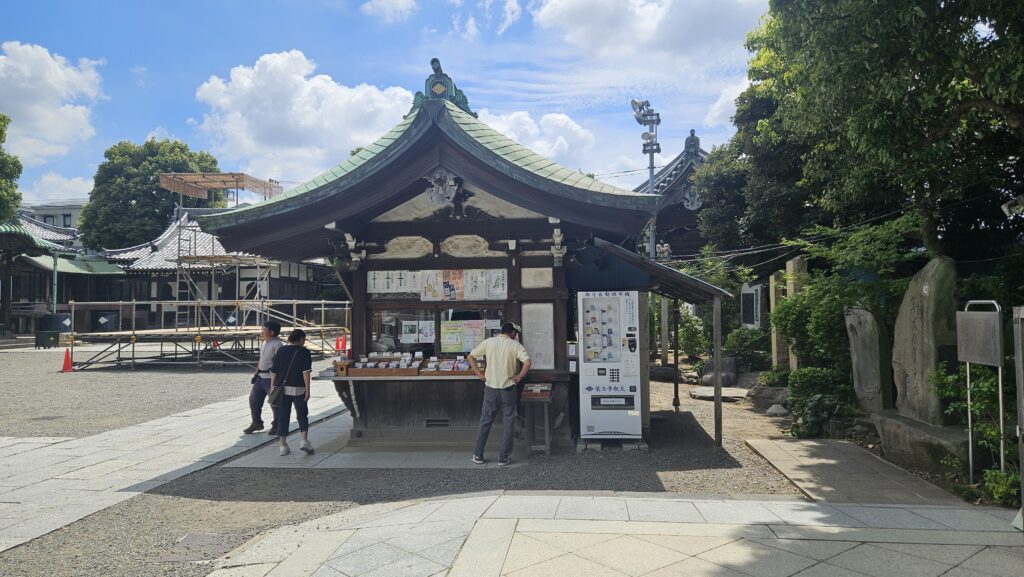
If you want to experience a quieter and more traditional side of Tokyo, Shibamata Taishakuten is one of the places I would recommend.
I’ve personally been there, and you can get an omikuji for just ¥100.
That’s one of the things I like about the experience: you don’t need to spend much money or plan anything complicated. You can visit the temple, draw your fortune, explore the beautiful grounds, and then walk through Shibamata’s old-fashioned streets.
The neighborhood has a completely different feeling from central Tokyo. There are traditional shops and restaurants around the approach to the temple, and the whole area is perfect for a slower afternoon.
Shibamata is also connected with the Shibamata Seven Lucky Gods, making it particularly interesting if you’re curious about Japanese traditions associated with luck and prosperity.
For me, this is one of those places that feels more personal than simply ticking another famous Tokyo attraction off a list.
Fushimi Inari Taisha, Kyoto

Fushimi Inari Taisha is best known for its thousands of vermilion torii gates, but the shrine is also an interesting place to experience omikuji.
The grounds stretch up Mount Inari, so this isn’t necessarily a quick temple stop. You can spend several hours walking through the gates, exploring the quieter sections of the mountain, and taking your time around the shrine.
That makes getting an omikuji here feel like part of a larger experience rather than a separate tourist activity.
And if your fortune isn’t great, at least you have a mountain to climb while contemplating your life choices.
Yasaka Shrine, Kyoto

Yasaka Shrine is another convenient place to try omikuji, especially if you’re already exploring Gion.
The shrine has a long history and is closely connected with the traditional culture of Kyoto. Its location also makes it easy to combine a visit with a walk through Gion and the surrounding historic streets.
If you’re visiting around New Year, Yasaka Shrine can be particularly lively during hatsumode, when large numbers of people visit shrines and temples for their first prayers of the year.
Dazaifu Tenmangu, Fukuoka

Dazaifu Tenmangu is an especially interesting choice if you’re traveling through Fukuoka.
The shrine is dedicated to Sugawara Michizane, who is associated with learning, culture, and the arts. Many visitors come to pray for academic success, particularly students preparing for exams.
The omikuji here are particularly visitor-friendly. Dazaifu Tenmangu offers fortunes in Japanese, English, and Chinese, and the Japanese versions change color with the seasons.
So if you’re worried that you won’t understand your fortune, this is one of the easier places for international visitors.
Frequently Asked Questions About Omikuji
What is an omikuji?
Omikuji is a traditional Japanese fortune slip available at many Shinto shrines and Buddhist temples. It usually gives you an overall fortune along with advice concerning areas such as health, relationships, work, money, travel, and other aspects of life.
How much does an omikuji cost in Japan?
The price varies depending on the shrine or temple. Many cost a few hundred yen. At Shibamata Taishakuten, you can get an omikuji for ¥100, based on my own visit.
Can tourists get omikuji?
Yes. You don’t need to be Japanese or religious to try one. Omikuji is a common cultural experience for visitors to Japan.
What happens if I get a bad omikuji?
Don’t panic. A bad fortune isn’t necessarily a prediction that something terrible will happen.
At many shrines and temples, you can tie an unfavorable fortune to a designated rack or area and leave it there.
Should I take a good omikuji home?
You can. Many people keep a favorable fortune as a souvenir or reminder of their visit.
What does 大吉 (Daikichi) mean?
大吉 (Daikichi) generally means “great luck” or “excellent fortune.” It’s one of the most favorable results you can receive.
What does 凶 (Kyō) mean?
凶 (Kyō) means bad luck. However, it shouldn’t be interpreted as a guarantee that something bad will happen. The advice written on the fortune is often more important than the ranking itself.
Can I get an omikuji in English?
Sometimes. It depends on the shrine or temple.
For example, Dazaifu Tenmangu offers omikuji in English and Chinese as well as Japanese, making it particularly convenient for international visitors.
Is omikuji a form of fortune telling?
It can be understood as a traditional form of divination or receiving guidance through a sacred lot. However, the experience is often less about predicting an exact future and more about reflecting on advice concerning different areas of life.
Do I have to believe in omikuji?
Not at all.
You can approach it as a religious tradition, a cultural experience, or simply something fun to try while visiting a Japanese shrine.
Where is the best place to get omikuji in Tokyo?
There isn’t one universal answer. Senso-ji is probably the easiest choice for first-time visitors, while Meiji Jingu offers a more unusual poetic version. If you want a quieter experience away from the busiest tourist routes, Shibamata Taishakuten is a great option — and you can get an omikuji there for just ¥100.
Is omikuji worth trying in Japan?
Absolutely. It costs very little, takes only a few minutes, and gives you a small but memorable way to interact with Japanese culture.
You might get great luck.
You might get terrible luck.
Or you might get something in between and spend the rest of the day wondering what the universe was trying to tell you. 😄
That’s part of the fun.
Final Thoughts
Japan has plenty of famous attractions, but some of the most memorable travel experiences are surprisingly small.
A quiet shrine.
The sound of a wooden gate closing behind you.
A few minutes spent reading an unfamiliar fortune.
And a tiny piece of paper telling you that perhaps you should be patient about something you’ve been worrying about.
You don’t have to take omikuji literally to appreciate the tradition.
Sometimes it’s simply fun to let a little randomness into your trip.
And who knows — perhaps you’ll pull 大吉 on your first try.

You May Also Like

Japanese Dragon Tattoo Meaning: History, Symbolism, and Traditional Designs

Cultural Differences in Love: Japan vs. Russia
