What Is Berberine? Benefits, Weight Loss, Dosage, and Side Effects Explained
Natural supplements have become increasingly popular as more people look for ways to support their health alongside a balanced diet and regular exercise. Among the many supplements attracting attention, berberine has become one of the most searched ingredients worldwide. Interest continues to grow as researchers investigate its potential role in supporting blood sugar management, metabolic health, cholesterol levels, and healthy weight management.
If you’ve searched for what is berberine, berberine benefits, berberine for weight loss, berberine side effects, how to take berberine, or does berberine work, you’re certainly not alone. Millions of people are curious about this naturally occurring compound and whether it deserves its growing reputation.
Unlike many trending supplements that appear with little scientific interest behind them, berberine has been the subject of numerous laboratory and clinical studies. While research is still evolving and results vary depending on the condition being studied, scientists continue to explore how berberine may influence metabolism and several important biological pathways.
It’s important to remember that berberine is not a miracle weight loss pill and should never replace a healthy lifestyle or prescribed medical treatment. However, when used appropriately and under the guidance of a healthcare professional, it may offer benefits for some individuals.
In this guide, you’ll learn what berberine is, how it works, its potential health benefits, whether berberine helps with weight loss, possible side effects, recommended dosage, and what current scientific research actually says.

What Is Berberine?
Berberine is a naturally occurring plant compound classified as an alkaloid. It has a distinctive bright yellow color and has been used for centuries in traditional herbal practices throughout parts of Asia and the Middle East.
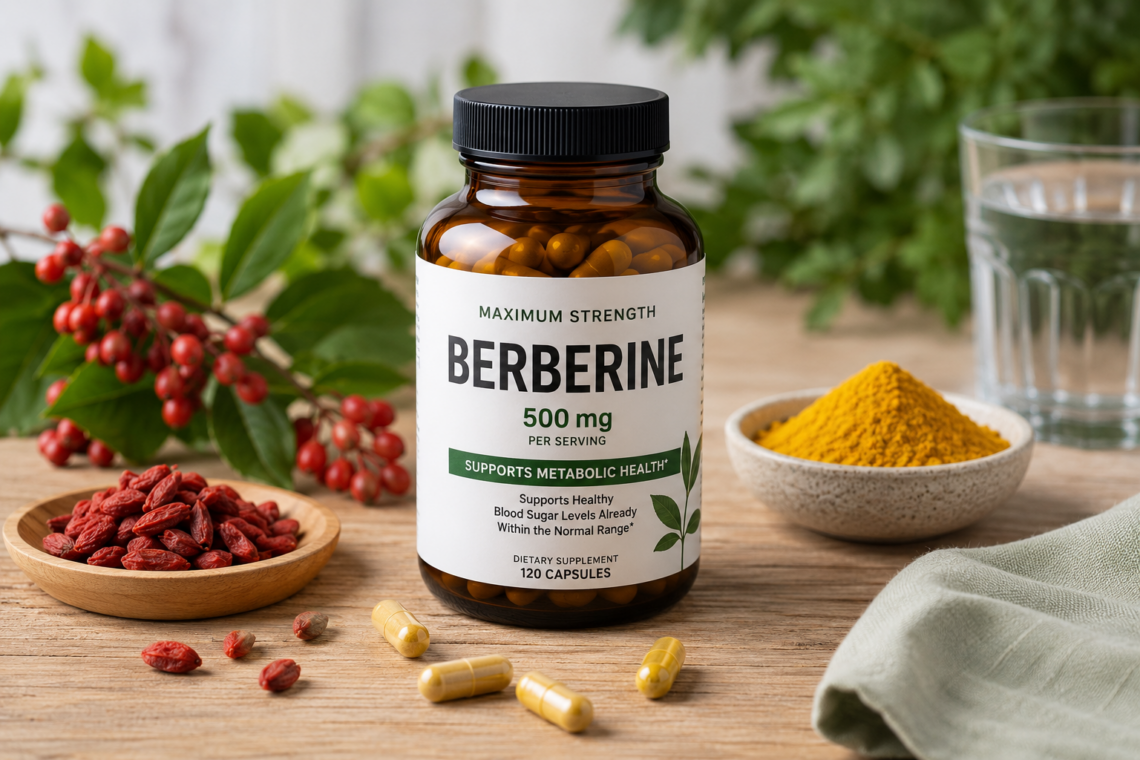
Today, berberine supplements are commonly extracted from several plants, including barberry, goldenseal, Oregon grape, tree turmeric, and Chinese goldthread. These plants have long histories in traditional medicine, although modern supplements typically contain purified berberine rather than whole plant extracts.
In recent years, scientific interest in berberine has increased because researchers discovered that it interacts with several important metabolic pathways inside the body. Rather than targeting only one process, berberine appears to influence multiple systems involved in energy production, glucose regulation, and cellular metabolism.
This broad range of biological activity explains why searches such as berberine uses, what does berberine do, and berberine health benefits continue to grow each year.
How Does Berberine Work?
Understanding how berberine works helps explain why it has attracted so much scientific attention.
Unlike supplements that simply provide vitamins or minerals, berberine appears to influence how cells produce and use energy. Research suggests that one of its primary actions involves activating an enzyme called AMP-activated protein kinase (AMPK), sometimes referred to as the body’s “metabolic master switch.”
AMPK plays an important role in regulating energy balance, glucose metabolism, and fat metabolism. When this pathway is activated, the body may become more efficient at using energy and maintaining normal metabolic function.
Researchers are continuing to study exactly how these mechanisms affect long-term health. While laboratory findings are encouraging, scientists emphasize that more high-quality clinical research is still needed to fully understand berberine’s effects in different populations.
Because of this ongoing research, it’s important to avoid exaggerated claims about what berberine supplements can achieve.
Potential Health Benefits of Berberine
One reason berberine benefits have become such a popular search topic is that research has explored several different areas of health rather than focusing on a single outcome.
Current evidence suggests that berberine may help support healthy metabolic function in some individuals. Scientists have investigated its possible effects on blood sugar regulation, cholesterol levels, cardiovascular health, inflammation, and weight management.
Although results vary between studies, several areas continue to receive significant scientific attention.
Berberine and Blood Sugar Support
Among the most researched topics is the relationship between berberine and blood sugar.
Some clinical studies suggest that berberine may help support healthy blood glucose regulation in certain individuals, particularly when combined with appropriate medical care and lifestyle changes. Because of these findings, researchers continue to investigate its potential role in metabolic health.
However, berberine should never replace medications prescribed by a healthcare professional, especially for people living with diabetes.
Berberine and Cholesterol
Another area of interest involves berberine for cholesterol.
Some studies suggest that berberine may contribute to maintaining healthy cholesterol levels already within a normal range by influencing lipid metabolism. Scientists continue to study these effects to better understand who may benefit most.
As with all supplements, individual results vary, and berberine should be viewed as one part of an overall heart-healthy lifestyle rather than a standalone solution.

Does Berberine Help With Weight Loss?
One of the biggest reasons people search for berberine is its potential connection to weight loss.
Searches such as berberine for weight loss, does berberine help you lose weight, best berberine supplement for weight loss, and can berberine burn fat have increased dramatically over the past few years.
Current research suggests that berberine may support weight management for some people, particularly when combined with calorie control, regular physical activity, and other healthy lifestyle habits.
Scientists believe these effects may be related to improvements in metabolic function rather than direct fat-burning properties. In other words, berberine is not considered a magic solution for losing weight.
Some clinical studies have reported modest reductions in body weight and waist circumference among certain participants. However, these results vary considerably, and researchers continue to investigate which individuals are most likely to benefit.
For this reason, healthcare professionals generally recommend viewing berberine for weight loss as a supplement that may support broader lifestyle changes rather than replace them.
How to Take Berberine
One of the most common questions after learning about berberine benefits is how to take berberine correctly. Because the compound has a relatively short half-life in the body, many supplements recommend dividing the daily amount into two or three smaller servings rather than taking everything at once. This approach helps maintain more consistent levels throughout the day.
Most studies investigating berberine supplements have used doses totaling 900–1,500 mg per day, typically divided into two or three servings taken with meals. Taking berberine alongside food may also help reduce digestive discomfort, which is one of the most commonly reported side effects.
However, there is no single dosage that is appropriate for everyone. The ideal amount depends on a person’s age, overall health, medical history, and any medications they may already be taking. For that reason, anyone considering berberine supplementation—especially individuals with diabetes, heart disease, or other chronic conditions—should speak with a healthcare professional before starting.
Berberine Dosage
Searches for berberine dosage and how much berberine should I take continue to rise because people want clear guidance before adding the supplement to their routine.
Although there is no universally recommended dosage for the general population, research commonly evaluates:
- 900 mg per day
- 1,000 mg per day
- 1,500 mg per day
These amounts are usually divided into multiple doses.
Increasing the dosage beyond what is recommended does not necessarily produce better results and may increase the likelihood of unwanted side effects. Consistency is generally considered more important than taking larger amounts.
When purchasing a supplement, it’s also worth choosing products from reputable manufacturers that undergo quality testing. Since dietary supplements are not regulated in exactly the same way as prescription medications in many countries, product quality can vary.
Berberine Side Effects
Although berberine is generally well tolerated by many healthy adults, it can cause side effects, particularly during the first few weeks of use.
The most frequently reported berberine side effects involve the digestive system. Some users experience mild stomach discomfort as the body adjusts to the supplement.
Possible side effects include:
- Mild stomach cramps
- Nausea
- Constipation
- Diarrhea
- Bloating
- Gas
These symptoms are often temporary and may improve when berberine is taken with meals or when starting with a lower dose before gradually increasing it.
More serious side effects appear to be uncommon, but any unexpected symptoms should be discussed with a healthcare professional.

Who Should Avoid Berberine?
While berberine supplements may be appropriate for some adults, they are not suitable for everyone.
People who are pregnant or breastfeeding are generally advised to avoid berberine unless specifically recommended by their healthcare provider. Safety data for these groups remain limited.
Individuals taking medications for diabetes, high blood pressure, or blood thinning should also exercise caution. Because berberine may influence blood sugar or interact with certain medications, combining it without medical supervision could increase the risk of unwanted effects.
Children should only use berberine if specifically advised by a qualified healthcare professional.
If you have a chronic medical condition or regularly take prescription medications, consulting your doctor before starting any new supplement is the safest approach.
Foods That Naturally Contain Berberine
Although most people associate berberine with dietary supplements, the compound naturally occurs in several plants.
Some of the best-known botanical sources include:
- Barberry (Berberis vulgaris)
- Goldenseal
- Oregon grape
- Tree turmeric
- Chinese goldthread
It’s important to understand that eating these plants is not the same as taking standardized berberine supplements. The amount of berberine varies considerably depending on the plant species, growing conditions, and preparation method.
This is one reason why most clinical studies use purified berberine extracts rather than whole plants.
Is Berberine Worth Taking?
Whether berberine is worth taking depends largely on your individual health goals.
For people interested in supporting healthy metabolism alongside a balanced diet and regular exercise, berberine may offer benefits. Research into berberine for weight loss, blood sugar support, and cholesterol management continues to produce encouraging findings, although scientists emphasize that more long-term studies are needed.
The key is maintaining realistic expectations.
Berberine is not a miracle supplement. It cannot replace healthy eating, regular physical activity, adequate sleep, or medical treatment when these are needed.
Instead, it may be viewed as one component of a broader wellness strategy.
FAQ
What is berberine used for?
Berberine is commonly used as a dietary supplement to support metabolic health, healthy blood sugar regulation, cholesterol management, and overall wellness.
Does berberine help with weight loss?
Some studies suggest berberine for weight loss may support modest weight reduction when combined with healthy eating and regular exercise, but it is not a standalone weight loss solution.
How long does berberine take to work?
The timeline varies depending on the individual and the reason for taking it. Many clinical studies have evaluated berberine over several weeks or months.
What are the side effects of berberine?
The most common berberine side effects include digestive symptoms such as nausea, constipation, diarrhea, bloating, and stomach discomfort.
Can I take berberine every day?
Many research studies have used daily supplementation for limited periods. However, the appropriate duration depends on individual circumstances and should be discussed with a healthcare professional.
Who should not take berberine?
People who are pregnant, breastfeeding, taking certain prescription medications, or managing chronic health conditions should consult their healthcare provider before using berberine supplements.
Conclusion
As interest in natural wellness continues to grow, berberine has earned its place as one of the most researched plant-based supplements available today. Studies investigating berberine benefits suggest it may support metabolic health, healthy blood sugar regulation, cholesterol levels, and, in some individuals, modest weight loss when combined with a balanced lifestyle.
At the same time, it’s important to approach berberine supplements with realistic expectations. While the research is promising, berberine is not a quick fix or a substitute for healthy habits or appropriate medical care. Individual responses vary, and more long-term studies are still needed to fully understand its benefits and safety.
If you’re considering berberine for weight loss or general metabolic support, choosing a high-quality supplement, following recommended dosages, and speaking with a qualified healthcare professional—especially if you have existing medical conditions or take prescription medications—are the best ways to use it safely and effectively.


You May Also Like

Everyday Etiquette Rules Everyone Should Know

Walking for Weight Loss: The Complete 2026 Guide