Japandi Living Room Ideas: Modern Minimalist Design That Never Goes Out of Style
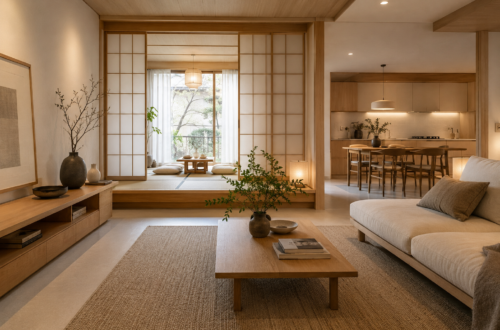
Over the last few years, Japandi Living Room Ideas have become one of the fastest-growing trends in interior design. By blending the calm simplicity of Japanese aesthetics with the warmth and comfort of Scandinavian interiors, Japandi creates living spaces that feel timeless rather than trendy.
Although Japandi has become one of today’s most popular interior styles, its foundation comes from the timeless principles of Japanese interior design. The emphasis on natural materials, functional layouts, and visual balance has shaped Japanese homes for generations long before the term “Japandi” was ever created.
Unlike many decorating styles that depend on bold colors or constantly changing trends, Japandi Interior Design focuses on balance, functionality, and intentional living. Every piece of furniture serves a purpose, natural materials take center stage, and clutter is replaced with open space that allows a room to breathe.
This philosophy makes Japandi especially attractive for modern apartments and family homes alike. Whether you’re decorating a compact city apartment or renovating a spacious house, the style adapts beautifully because it emphasizes quality over quantity.
One of the biggest advantages of a Modern Japandi Living Room is its versatility. Soft textures make the space cozy, while clean architectural lines keep it elegant. Natural wood, linen fabrics, stone accents, indoor plants, and carefully selected décor work together to create an atmosphere that’s relaxing from the moment you walk inside.
In this guide, you’ll discover practical Japandi Living Room Ideas, learn how to choose furniture, colors, lighting, storage, and decorative accessories while avoiding common decorating mistakes that prevent many minimalist interiors from feeling comfortable.

What Is a Japandi Living Room?
A Japandi Living Room combines two design traditions that naturally complement one another. Japanese interiors contribute simplicity, craftsmanship, natural materials, and mindfulness, while Scandinavian design introduces warmth, comfort, practicality, and light-filled spaces.
Instead of filling rooms with unnecessary decoration, Japandi celebrates thoughtful design. Furniture is carefully selected, storage remains discreet, and every decorative object contributes to the overall atmosphere rather than competing for attention.
The result is a room that feels peaceful without becoming cold, minimalist without feeling empty, and modern without chasing short-term trends.
This growing popularity has also influenced other interior movements such as Organic Modern Living Room design, Minimalist Living Room Ideas, and contemporary Wood Interior Design, all of which share similar principles of simplicity and functionality.

Choose Japandi Furniture That Combines Comfort and Simplicity
Furniture forms the foundation of every successful Japandi Living Room. Rather than purchasing many decorative pieces, invest in fewer items that are beautifully made and built to last.
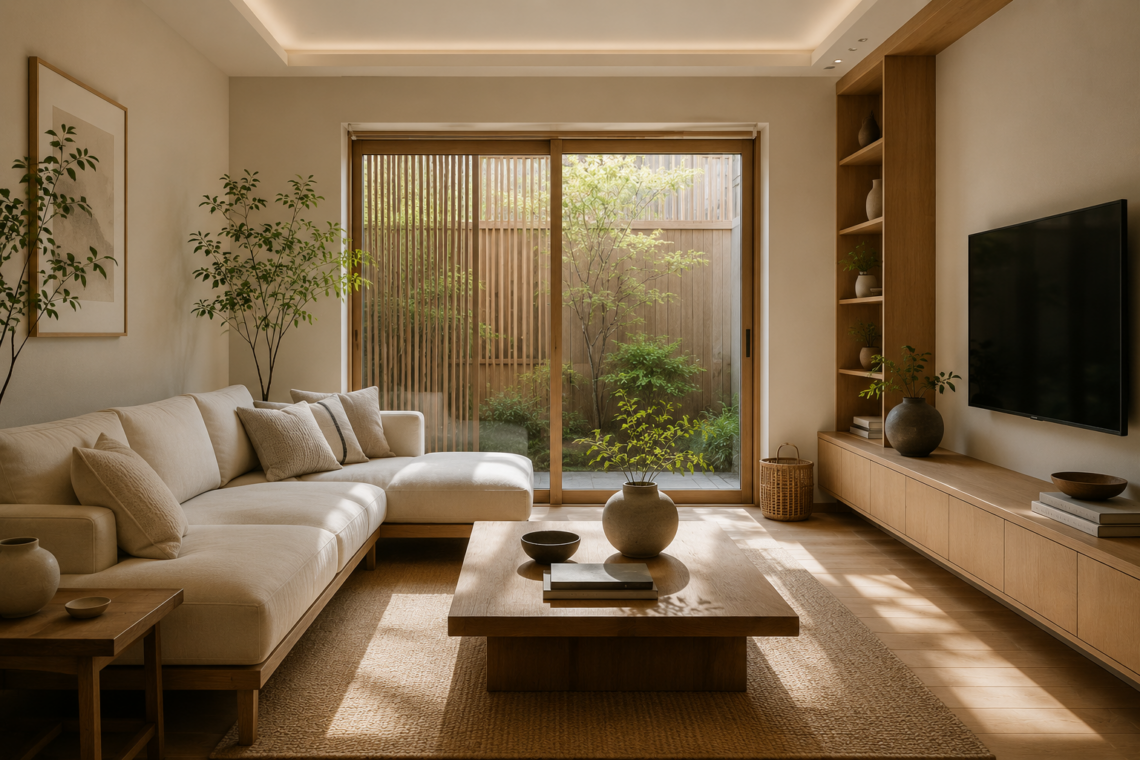
A Low Profile Sofa upholstered in linen, cotton, or textured boucle fabric immediately creates the relaxed atmosphere associated with Japandi interiors. Pair it with a Wood Coffee Table featuring clean lines and natural grain patterns instead of glossy finishes.
Open shelving should remain limited to carefully curated objects, while hidden storage keeps everyday items out of sight. Floating TV units, simple sideboards, and multifunctional benches all help preserve the uncluttered appearance that defines Minimalist Living Room design.
If you’re furnishing your home in Japan, comparing MUJI vs Nitori can be a practical way to understand which retailer better matches your preferred balance between minimalist aesthetics, storage solutions, craftsmanship, and budget.

The Best Japandi Living Room Color Palette
Color is one of the most powerful tools for creating a relaxing home. Instead of relying on strong contrast, Japandi Living Room Ideas embrace subtle transitions between warm neutral shades inspired by nature.
Popular choices include warm white, ivory, oatmeal, sand, beige, taupe, greige, light oak, walnut, stone gray, clay, muted olive, and charcoal accents. These colors reflect natural light beautifully while creating a timeless interior that won’t quickly feel outdated.
Layering different neutral tones through wood, textiles, ceramics, and woven materials adds depth without overwhelming the room. Soft linen curtains, wool throws, textured cushions, and handmade pottery all contribute warmth while preserving the minimalist aesthetic.
Many designers also recommend following principles similar to those discussed in Best Colors for Small Apartments, since lighter earth tones help compact living rooms appear larger, brighter, and more open while maintaining the cozy atmosphere that defines Japandi interiors.

Natural Materials Are the Heart of Japandi Interior Design
If there’s one feature that defines Japandi Interior Design, it’s the careful use of Natural Materials. Instead of relying on glossy finishes, synthetic textures, or overly decorative furniture, Japandi interiors celebrate authenticity. Every surface should feel warm, tactile, and connected to nature.
Wood is the dominant material in almost every Japandi Living Room. Oak, ash, walnut, and bamboo are commonly used for flooring, shelving, coffee tables, dining furniture, and decorative accents. Their natural grain adds subtle texture without overwhelming the room.
Soft fabrics also play an essential role. Linen curtains gently filter daylight, cotton upholstery creates a relaxed atmosphere, and wool throws introduce warmth during cooler months. Stone, ceramic, travertine, and handmade pottery complete the palette, adding depth while preserving the clean aesthetic.
This thoughtful combination of materials creates a home that feels calm, welcoming, and timeless rather than overly styled.

Lighting Ideas for a Modern Japandi Living Room
Lighting is one of the easiest ways to transform a room, yet it’s often overlooked. In a Modern Japandi Living Room, the goal is to create soft, layered illumination that enhances relaxation instead of flooding the room with harsh light.
Natural daylight should always remain the primary source of illumination. Large windows, sheer linen curtains, and uncluttered layouts allow sunlight to become part of the interior design.
During the evening, multiple light sources create a much warmer atmosphere than a single ceiling fixture. Floor lamps with paper shades, table lamps made from ceramic or wood, wall sconces, and concealed LED lighting all contribute to a more inviting space.
Layering light at different heights also helps define seating areas while emphasizing the natural beauty of wood furniture and textured materials. This technique is one of the most recognizable features of Scandinavian Japanese Style interiors.

Japandi Home Decor: Less Clutter, More Character
One of the biggest misconceptions about minimalism is that it means removing everything from a room. In reality, Japandi Home Decor encourages thoughtful styling rather than empty spaces.
Instead of displaying dozens of decorative accessories, choose a few meaningful objects that complement one another. Handmade ceramic vases, woven baskets, textured linen cushions, wooden trays, sculptural lamps, and simple artwork often create a stronger impression than crowded shelves.
Books, candles, and handcrafted pottery can be arranged in small groups, allowing negative space to remain visible. This approach creates balance while preventing visual overload.
When decorating, ask yourself whether each object contributes beauty, function, or personal meaning. If not, the room may actually feel calmer without it.

Indoor Plants Bring Life to a Minimalist Living Room
Plants are one of the easiest ways to soften clean architectural lines while maintaining the peaceful atmosphere of a Japandi Living Room.
Large statement plants such as olive trees, fiddle-leaf figs, rubber plants, and bamboo create natural focal points. Smaller plants—including snake plants, pothos, and peace lilies—fit beautifully on floating shelves, sideboards, or coffee tables.
Simple ceramic or stone planters work best because they complement the neutral palette instead of competing for attention. The emphasis should remain on greenery rather than decorative containers.
Adding plants also improves the overall feeling of freshness, making the room appear healthier, brighter, and more connected to nature.

Smart Storage Keeps the Living Room Peaceful
A clutter-free home doesn’t happen by accident. Successful Living Room Organization depends on choosing storage that hides everyday items while remaining visually unobtrusive.
Floating cabinets, built-in shelving, hidden compartments, woven baskets, and multifunctional furniture all help maintain the minimalist appearance associated with Japandi interiors.
For smaller homes, Living Room Storage Ideas become even more important. Storage ottomans, coffee tables with hidden compartments, wall-mounted shelving, and slim cabinets maximize functionality without sacrificing valuable floor space.
Keeping remote controls, cables, books, and daily essentials out of sight allows the natural materials, furniture, and lighting to remain the focus of the room.
Frequently Asked Questions
What is a Japandi Living Room?
A Japandi Living Room combines Japanese minimalism with Scandinavian comfort, creating a calm, functional space built around natural materials, neutral colors, and timeless furniture.
Which colors work best in Japandi interiors?
Warm white, beige, taupe, sand, greige, soft gray, natural oak, walnut, muted olive, and charcoal accents create a balanced and relaxing atmosphere.
Is Japandi suitable for small apartments?
Yes. Because it emphasizes multifunctional furniture, hidden storage, and open layouts, Japandi is one of the best design styles for compact homes.
What furniture defines Japandi style?
Low-profile sofas, Natural Wood Furniture, floating TV units, minimalist coffee tables, open shelving, and handcrafted accessories are all signature elements.
How can I make my living room look more Japandi?
Choose quality furniture, reduce clutter, use warm neutral colors, maximize natural light, incorporate natural materials, add a few indoor plants, and decorate with intention rather than excess.
Conclusion
The popularity of Japandi Living Room Ideas reflects a growing desire for homes that feel calm, practical, and timeless. By combining the elegance of Japanese minimalism with the warmth of Scandinavian design, Japandi creates living spaces that support everyday comfort without sacrificing style.
Whether you’re redesigning an entire home or updating a single room, focusing on Natural Materials, Neutral Living Room colors, quality craftsmanship, smart storage, and thoughtful decoration will help you build a space that remains beautiful for years. Rather than chasing changing trends, Japandi encourages intentional living—where every piece of furniture has a purpose, every decorative object adds value, and the overall atmosphere promotes balance, relaxation, and well-being.


You May Also Like
Japanese Zen Garden Ideas: How to Create a Peaceful Japanese-Inspired Garden

Japanese Interior Design: A Harmonious Approach to Minimalism and Serenity