Tatami Room Ideas: How to Create a Calm and Functional Japanese-Inspired Space
Among all the elements of traditional Japanese architecture, few are as iconic as the tatami room. Known as a Washitsu, this versatile space has served as a living room, bedroom, tea room, guest room, meditation area, and family gathering place for centuries. While modern homes continue to evolve, the timeless appeal of tatami rooms remains stronger than ever.
A tatami room is much more than a traditional feature found in older Japanese homes. It reflects the broader philosophy of Japanese interior design, where flexible layouts, natural materials, and uncluttered spaces work together to create rooms that feel peaceful, practical, and timeless.
Today, homeowners around the world are discovering that Tatami Room Ideas offer much more than traditional Japanese aesthetics. They provide practical solutions for flexible living, minimalist organization, and creating peaceful interiors that support both relaxation and everyday functionality.
Unlike conventional rooms filled with permanent furniture, a tatami room adapts to changing needs throughout the day. A space used for meditation in the morning can become a home office in the afternoon and a comfortable sleeping area at night. This flexibility makes tatami rooms particularly attractive for modern apartments where every square meter matters.
Whether you’re planning a complete renovation or simply looking for inspiration, understanding how a traditional tatami room works can help you create a home that feels larger, calmer, and more connected to nature.

What Is a Tatami Room?
A Tatami Room, also called a Washitsu, is a traditional Japanese room covered with tatami mats made from woven rush grass over a compressed rice straw or modern core. These mats create a soft yet durable floor that naturally regulates humidity while providing warmth and comfort throughout the year.
Historically, tatami rooms were designed as multipurpose spaces rather than rooms dedicated to a single activity. Families gathered for meals, welcomed guests, practiced tea ceremonies, slept on futons, and celebrated important occasions in the same room.
This flexibility remains one of the greatest strengths of Japanese interior design today. Rather than filling a room with fixed furniture, the space can easily adapt to different lifestyles.
Modern Tatami Room Ideas combine these traditional principles with contemporary architecture, allowing homeowners to enjoy the atmosphere of a Japanese home while meeting modern living needs.

Why Tatami Rooms Feel So Peaceful
One reason Tatami Room Ideas continue gaining popularity is their remarkable ability to create calm environments.
Natural materials play a central role. Tatami mats, cedar, cypress, bamboo, paper screens, linen, cotton, and solid wood all introduce subtle textures without overwhelming the senses.
Equally important is the absence of unnecessary furniture. Instead of decorating every corner, Japanese interiors embrace negative space, allowing each object to breathe. This visual simplicity reduces distraction and encourages relaxation.
Large windows, soft daylight, and carefully balanced proportions further enhance the feeling of tranquility.
Many homeowners notice that spending time inside a well-designed tatami room naturally encourages slower routines, quiet conversation, reading, meditation, or simply enjoying a peaceful moment away from daily distractions. This feeling of calm isn’t created by tatami mats alone. Japanese interiors are carefully planned to maximize natural light, maintain clear sightlines, and eliminate unnecessary visual clutter. These same principles explain Why Japanese Homes Feel Bigger Than They Really Are, even when the available floor space is surprisingly compact.

Essential Elements of a Traditional Tatami Room
Although every home is unique, several features define a classic Japanese Tatami Room.
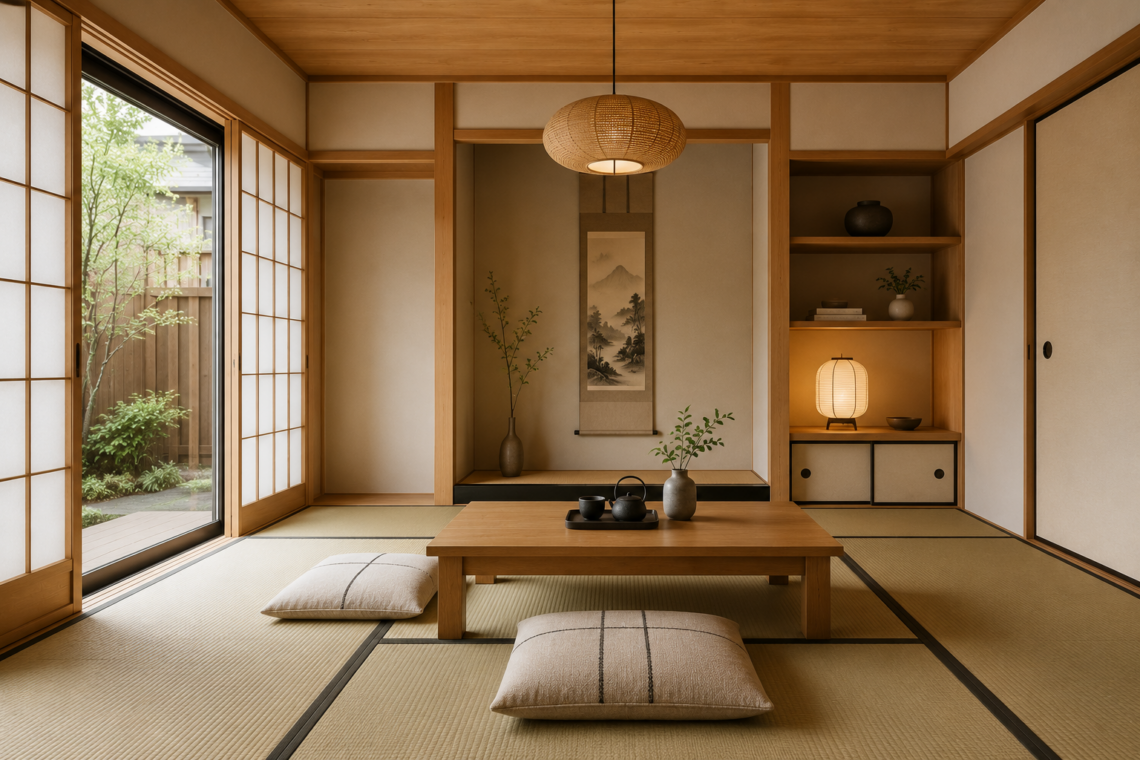
Tatami flooring remains the foundation, creating warmth and softness underfoot. Sliding Shoji Screens allow rooms to open or close depending on the desired level of privacy while maximizing natural light.
Instead of large sofas, many tatami rooms feature floor cushions, Low Furniture, or a simple wooden table that encourages relaxed seating. Built-in closets keep bedding and everyday belongings hidden, maintaining clean visual lines throughout the space.
Minimal decoration completes the room. A single hanging scroll, ceramic vase, bonsai tree, or seasonal flower arrangement often provides all the visual interest needed.
This careful balance between simplicity and craftsmanship explains why tatami rooms remain timeless despite changing design trends. The emphasis on simplicity begins long before you step onto the tatami. In a traditional Japanese home, the entrance sets the tone for the entire interior, creating a gradual transition from the outside world into a calm, organized living space. This philosophy is beautifully reflected in Japanese Entryway Ideas (Genkan).

Modern Tatami Room Ideas for Today’s Homes
Today’s Modern Tatami Room doesn’t have to look exactly like a centuries-old Japanese house. Contemporary designers successfully blend traditional elements with modern architecture to create interiors that feel both authentic and practical.
Many apartments feature a small tatami corner connected to the living room through sliding doors, allowing homeowners to expand or separate the space as needed. Others transform spare bedrooms into multifunctional tatami rooms used for yoga, reading, remote work, or overnight guests.
Natural oak flooring surrounding the tatami area, recessed lighting, minimalist shelving, and concealed storage all help integrate traditional Japanese elements into contemporary interiors.
A modern tatami room proves that timeless design principles can adapt beautifully to today’s lifestyles without losing their original character. Many contemporary interiors blend tatami flooring with Scandinavian simplicity, creating spaces that feel warm, functional, and uncluttered. This balance between Japanese tradition and modern design has become one of the defining characteristics of Japandi Living Room Ideas.

Tatami Bedroom Ideas for Better Sleep and Everyday Comfort
One of the greatest advantages of a Tatami Room is its flexibility. During the day, it remains an open and uncluttered space, while in the evening it easily transforms into a peaceful bedroom simply by laying out a traditional futon.
This minimalist approach eliminates the need for a large permanent bed, making the room feel significantly more spacious throughout the day. It also encourages better organization, as bedding is typically stored in built-in closets after use.
Many modern homeowners combine tatami flooring with low platform beds, soft linen bedding, neutral textiles, and warm indirect lighting to create a contemporary bedroom inspired by Japanese tradition. The result is a calming retreat that feels connected to nature while supporting restful sleep.
Large windows, natural wood finishes, and carefully selected décor further enhance the atmosphere, making even small bedrooms feel open and inviting. A tatami sleeping area is only one approach to creating a restful retreat. Natural wood, soft textiles, warm lighting, and carefully chosen furnishings all contribute to a peaceful atmosphere, whether you sleep on a futon or a conventional bed. These ideas come together beautifully in How to Decorate a Japanese Style Bedroom.

How a Tatami Room Complements Modern Living Spaces
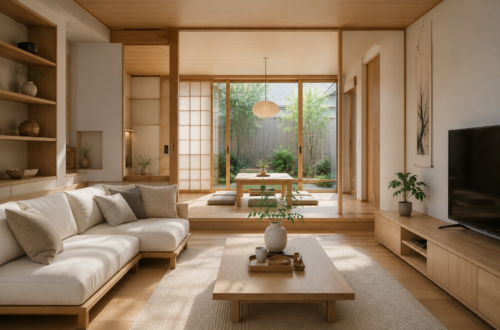
A tatami room doesn’t need to exist as a completely separate room. Many architects now integrate a small tatami area directly into an open-plan home, allowing it to function as an extension of the main living space.
For example, homeowners inspired by Japandi Living Room Ideas often include a raised tatami platform beside the seating area. This creates a quiet corner for reading, meditation, tea ceremonies, children’s play, or relaxing with family while maintaining the clean aesthetic of the surrounding interior.
Sliding shoji screens can open the room completely or provide privacy whenever needed. This flexible layout is one of the reasons modern Japanese homes feel so adaptable despite their relatively compact size.
By combining traditional craftsmanship with contemporary furniture, the tatami area becomes one of the most versatile spaces in the house. Choosing the right furniture is equally important when designing a multifunctional room. Low tables, storage cabinets, shelving, and minimalist accessories from Japanese retailers can help preserve the open feel that makes tatami spaces so versatile. Comparing MUJI vs Nitori makes it much easier to decide which style best suits your home.

Shoji Screens, Natural Light, and Timeless Japanese Design
Few architectural features are as recognizable as Shoji Screens. These lightweight sliding panels made from wood and translucent paper gently diffuse sunlight throughout the room, creating the soft illumination that defines many Japanese interiors.
Unlike solid walls, shoji screens make it possible to reconfigure a room throughout the day while maintaining visual continuity. Even when closed, they allow natural light to pass through, helping small interiors feel brighter and more spacious.
Combined with tatami mats, exposed wood beams, and neutral color palettes, sliding screens create an environment that feels both peaceful and practical. This thoughtful use of light and flexible architecture continues to inspire modern homes around the world.

Create a Zen Room for Relaxation, Meditation, or Tea
Not every tatami room needs to function as a bedroom. Many homeowners transform these spaces into quiet retreats designed for mindfulness and relaxation.
A simple low table, floor cushions, handmade ceramics, a bonsai tree, and a tokonoma display alcove create an atmosphere that encourages slower living. Reading, meditation, yoga, tea ceremonies, creative work, or simply enjoying a peaceful moment all become natural activities in such an environment.
The absence of unnecessary furniture allows the room to remain flexible while supporting different daily routines. This versatility is one of the reasons Tatami Room Ideas continue attracting homeowners looking for alternatives to conventional living spaces.

Decorating a Tatami Room Without Losing Its Simplicity
Decorating a tatami room is less about adding more and more about choosing better. Every object should contribute to the peaceful atmosphere without creating unnecessary visual clutter.
Natural materials remain the foundation of the space. Handmade ceramic vases, woven baskets, linen cushions, paper lanterns, bamboo accents, and seasonal flowers complement the room while preserving its minimalist character. Rather than filling shelves with decorations, a single carefully selected artwork or flower arrangement often has a stronger impact.
If you’re looking for authentic accessories, many of the Best Japanese Home Decor Stores offer beautifully crafted pieces that pair naturally with tatami flooring and traditional Japanese interiors. Choosing timeless décor instead of short-lived trends helps maintain the calm, balanced feeling that makes these rooms so distinctive. Maintaining visual harmony throughout the home is one of the key principles of Japanese design. The same restrained color palette, natural materials, and clutter-free approach that work so well in a tatami room can also transform other spaces, including Japanese Style Bathroom, where simplicity enhances both comfort and relaxation.
Frequently Asked Questions
What is a Tatami Room?
A Tatami Room is a traditional Japanese room covered with tatami mats and designed as a flexible living space for sleeping, relaxing, entertaining guests, or practicing tea ceremonies.
What is a Washitsu?
A Washitsu is the Japanese name for a traditional room featuring tatami flooring, shoji screens, natural materials, and minimalist design.
Can I add a tatami room to a modern house?
Yes. Many contemporary homes include a small tatami area for meditation, reading, yoga, or guest accommodation while blending seamlessly with modern architecture.
Are tatami mats comfortable?
Tatami mats provide a firm yet comfortable surface for sitting, walking, sleeping on a futon, or practicing meditation and yoga.
Does a tatami room increase home value?
While it depends on the local market, a thoughtfully designed tatami room can make a home feel more unique, functional, and appealing to buyers who appreciate Japanese-inspired interiors.
Conclusion
A well-designed tatami room demonstrates that a home doesn’t need to be large to feel spacious. Flexible layouts, multifunctional furniture, and thoughtful organization all contribute to interiors that are both practical and visually open—the same design philosophy explored in Why Japanese Homes Feel Bigger Than They Really Are. Beautiful Tatami Room Ideas demonstrate that great design isn’t about filling a space with furniture—it’s about creating flexibility, harmony, and purpose. Whether used as a bedroom, meditation room, guest space, tea room, or quiet retreat, a tatami room brings together natural materials, timeless craftsmanship, and thoughtful simplicity in a way few other interiors can.
As more homeowners embrace minimalist living and multifunctional spaces, the traditional Japanese tatami room continues to prove its relevance in modern homes. By combining tatami mats, shoji screens, natural wood, soft lighting, and carefully selected décor, you can create a peaceful environment that feels spacious, adaptable, and connected to centuries of Japanese design tradition.


You May Also Like
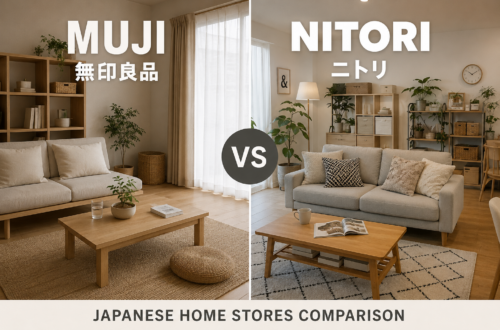
MUJI vs Nitori: Which Japanese Home Store Is Best for Furniture, Home Décor, and Everyday Living?
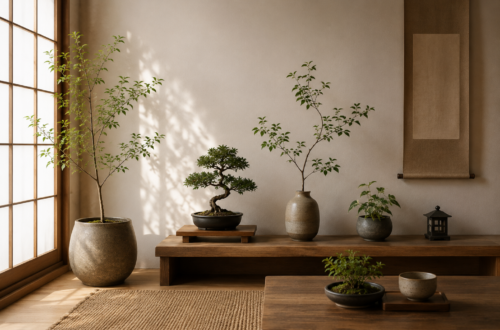
How Japanese Homes Use Plants: 12 Natural Ideas for a Calm Interior