7 Things Tourists Should Know Before Visiting Japan
Japan can feel surprisingly different from other destinations, especially on a first trip. The good news is that you don’t need to know every Japanese custom before arriving. A few simple things can make your trip much easier and help you avoid common mistakes.
1. Cash Is Still Useful
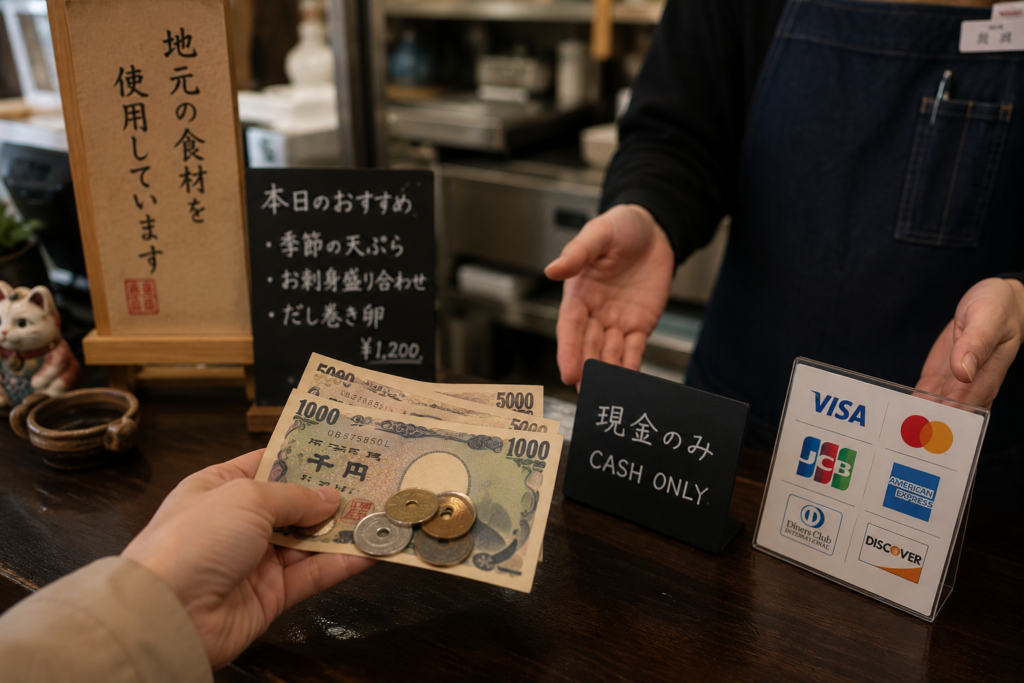
Japan is highly modern, but cash hasn’t disappeared. Many major hotels, restaurants, convenience stores, and tourist attractions accept cards, yet smaller restaurants, local shops, temples, and rural businesses may still prefer cash.
Keep some yen with you, especially when leaving major cities. If you’re planning to explore beyond Tokyo, it’s also worth having a little extra cash for smaller towns and local attractions.
2. Convenience Stores Are Extremely Useful
Japanese convenience stores are much more than places to grab a drink. Stores such as 7-Eleven, Lawson, and FamilyMart can be useful for quick meals, snacks, drinks, ATM access, and everyday essentials.
They are particularly handy when you’re traveling between cities or returning to your hotel late at night.
If shopping is part of your trip, don’t limit yourself to convenience stores. Japan’s drugstores and discount stores are also worth exploring, especially if you’re interested in Shopping in Japan.
3. Be Ready to Take Your Shoes Off
You may need to remove your shoes more often than you expect.
Traditional restaurants, temples, guesthouses, some museums, and private homes may have areas where outdoor shoes aren’t allowed. Look for a raised entrance or a row of shoes near the doorway.
It’s a small detail, but wearing clean socks and shoes that are easy to remove can make things much more comfortable.
4. Trains Are Great, But Japan Is Bigger Than Its Rail Network
Japan’s trains are one of the easiest ways to travel between major cities. For Tokyo, Kyoto, Osaka, and other popular destinations, public transportation is usually the obvious choice.
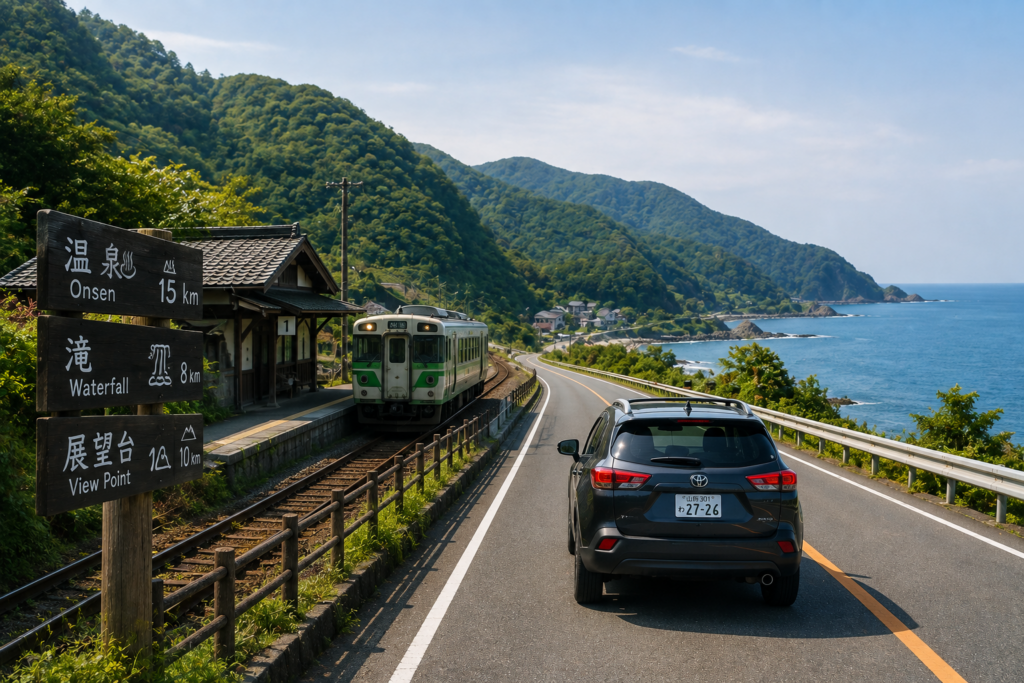
But once you venture into rural areas, the situation can change. Mountain villages, coastal towns, hot springs, and countryside attractions may have limited train or bus connections.
That’s when renting a car can make sense. A road trip can also help you discover some of Japan’s Non-Touristy Places in Japan that are harder to reach by public transportation.
5. Don’t Expect Trash Bins Everywhere
One of the first things visitors notice in Japan is how clean the streets are despite the limited number of public trash cans.
It’s normal to carry your rubbish with you until you find somewhere appropriate to dispose of it. Convenience stores and train stations can sometimes be useful places to look, depending on the situation.
A small reusable bag in your daypack makes this surprisingly easy.
6. Walking Is a Big Part of Traveling in Japan
Even when you’re using trains, expect to walk.
You might walk through a station, explore a traditional neighborhood, climb temple steps, or spend several hours moving between attractions. Comfortable shoes can make a huge difference.
This is particularly important when planning Day Trips from Tokyo, because many destinations involve considerably more walking than visitors expect.
Don’t build an itinerary that looks perfect on Google Maps but leaves you exhausted by lunchtime.
7. Small Japanese Customs Matter
Japan has many everyday customs that visitors quickly learn to appreciate.
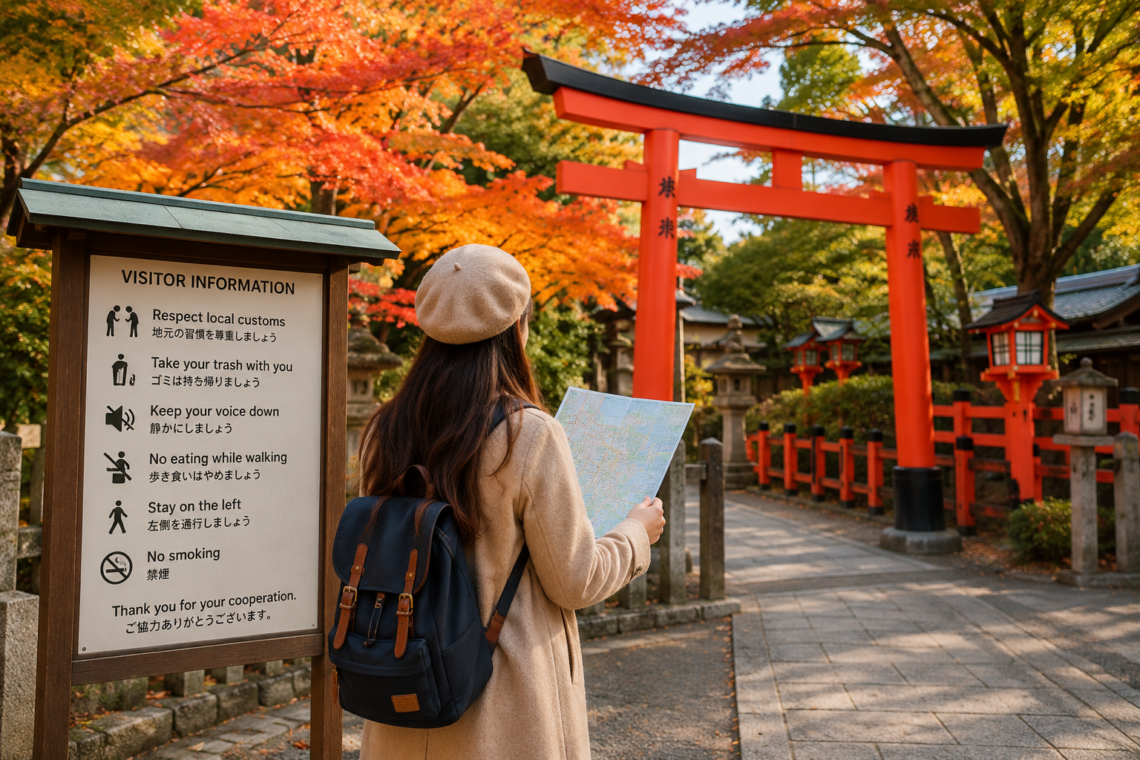
Keep your voice down on trains, avoid blocking entrances, follow local signs, and pay attention to where people queue. In some places, eating while walking isn’t appropriate, while in others it’s perfectly normal.
You don’t need to memorize a giant list of rules. Simply watch what people around you are doing and follow their lead.
That same attitude can help you understand some of the everyday practices covered in our guide to Japanese Daily Habits.
FAQ: Visiting Japan for the First Time
Is cash still necessary in Japan?
Cards are widely accepted, especially in major cities, but carrying some Japanese yen is still a good idea for smaller businesses, local restaurants, temples, and rural areas.
Do I need to speak Japanese to travel around Japan?
No. You can travel comfortably without speaking Japanese, particularly in major tourist areas. Translation apps and simple phrases can also make communication easier.
Is public transportation enough for traveling around Japan?
For major cities and popular routes, usually yes. However, renting a car can be much more convenient for rural areas, mountain regions, coastal towns, and places with limited public transportation.
What should tourists know about Japanese etiquette?
Be respectful of local customs: keep your voice down on trains, queue properly, avoid blocking entrances, and follow signs about shoes, photography, and eating. You don’t need to memorize every rule—simply pay attention to how people around you behave.
Final Thoughts
Japan is easy to enjoy once you understand a few basic things. Carry some cash, expect to walk, keep your belongings with you, respect local customs, and don’t be afraid to explore beyond the famous tourist routes.
The best trips aren’t always about seeing as many attractions as possible. Sometimes the most memorable moments come from a quiet neighborhood, a small local restaurant, or a place you didn’t originally plan to visit.

You May Also Like
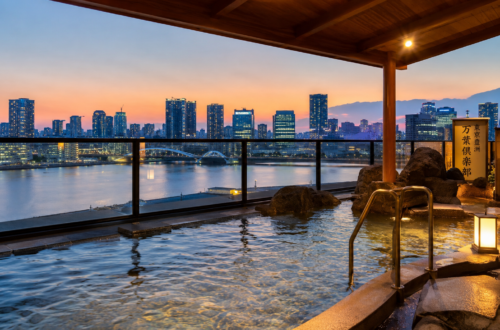
Tattoo-Friendly Onsens in Tokyo: Where to Relax Without Hiding Your Tattoos
Best Time to Visit Japan: Seasons, Weather & What to Pack
