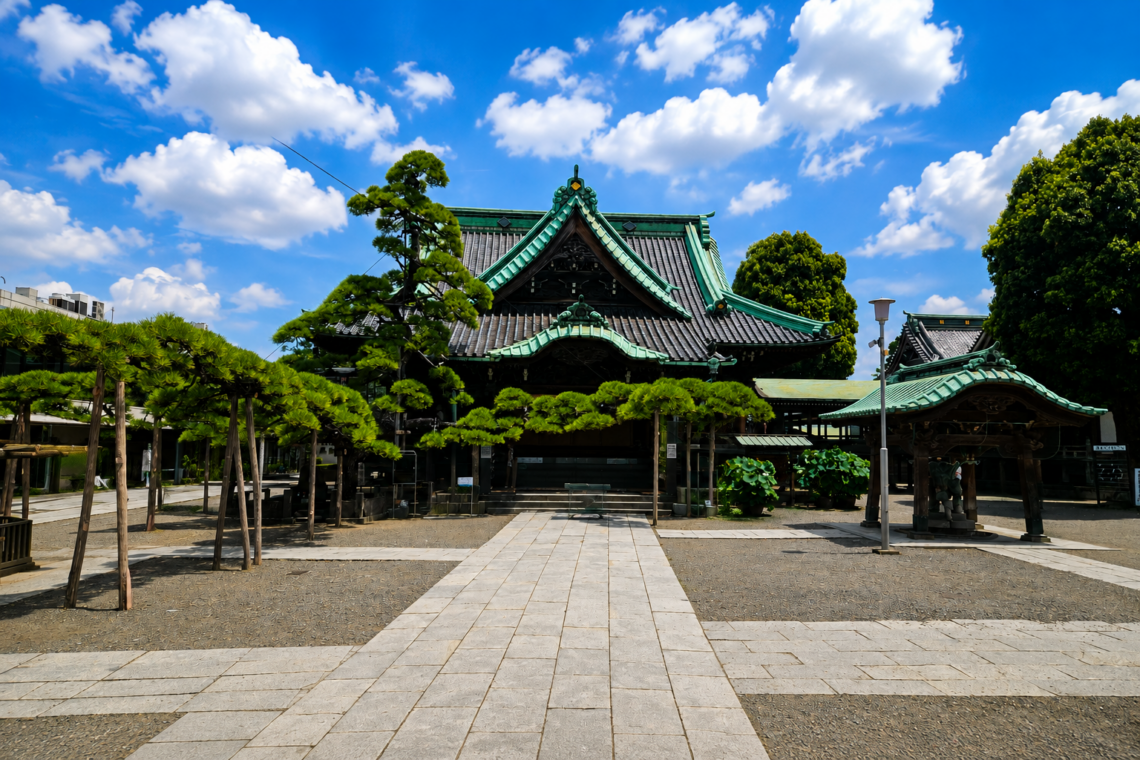
Shibamata Taishakuten: A Beautiful Historic Temple in Tokyo
Shibamata Taishakuten: A Different Side of Tokyo
Tokyo has no shortage of famous temples.
There is Senso-ji in Asakusa, Meiji Shrine surrounded by its enormous forest, and countless smaller temples tucked between modern buildings. But if you want to experience a quieter and more traditional side of Tokyo, Shibamata Taishakuten is worth putting on your itinerary.
Located in Katsushika in northeastern Tokyo, Shibamata Taishakuten is a Buddhist temple with a history dating back to 1629. The temple is especially famous for its elaborate wooden carvings, traditional architecture, Japanese garden, and connection to the nostalgic Shibamata neighborhood.
What makes this place particularly interesting is that visiting Shibamata doesn’t feel like checking another famous Tokyo attraction off a list.
It feels more like stepping into another era.
Shibamata is one of those places that feels far removed from Tokyo’s busiest tourist areas, making it a great choice for travelers looking for Day Trips from Tokyo with a more local and traditional atmosphere.

Where Is Shibamata Taishakuten?
Shibamata Taishakuten is located in the Shibamata neighborhood of Katsushika Ward in northeastern Tokyo.
The official address is:
7-10-3 Shibamata, Katsushika City, Tokyo
The easiest way to get there is by taking the Keisei Kanamachi Line to Shibamata Station. From the station, the temple is only about a three-minute walk.
But don’t rush straight to the temple.
One of the best parts of visiting Shibamata is the short traditional shopping street leading from the station toward the temple.
This is Taishakuten-Sando, a nostalgic street lined with old-fashioned shops and restaurants. You can find traditional Japanese sweets, including kusa dango, as well as senbei and other local snacks.
The street itself survived the air raids of World War II and retains much of its old-fashioned atmosphere.
This is exactly the kind of Tokyo I love recommending to visitors who have already seen the obvious tourist attractions.
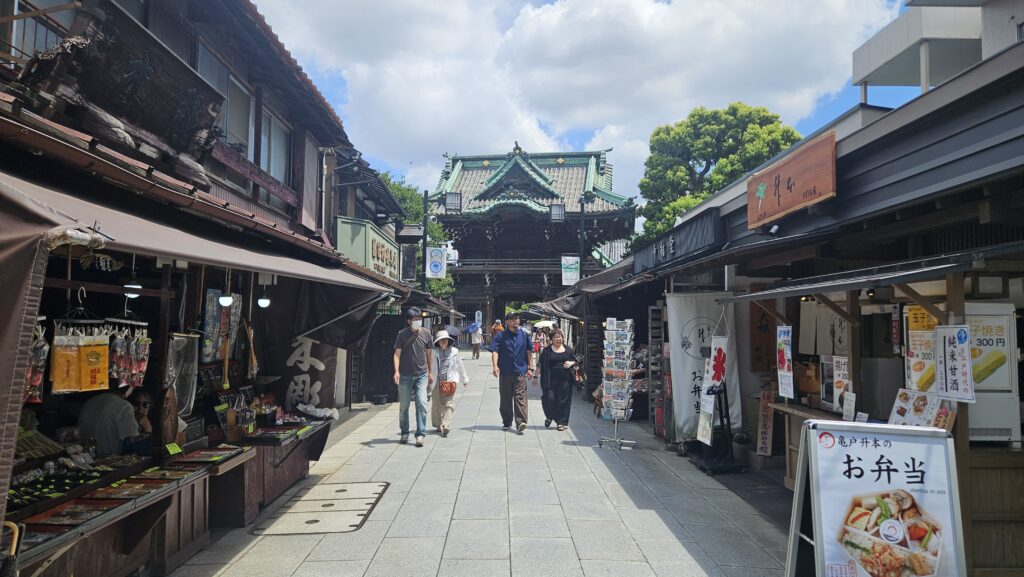
The Historic Nitenmon Gate
The first thing you’ll notice when approaching Shibamata Taishakuten is the impressive wooden entrance gate.
Known as Nitenmon, the gate was built in 1896 and is covered with elaborate decorative carvings. It immediately gives you a sense that this isn’t just another neighborhood temple.
And this is where your photo fits perfectly.
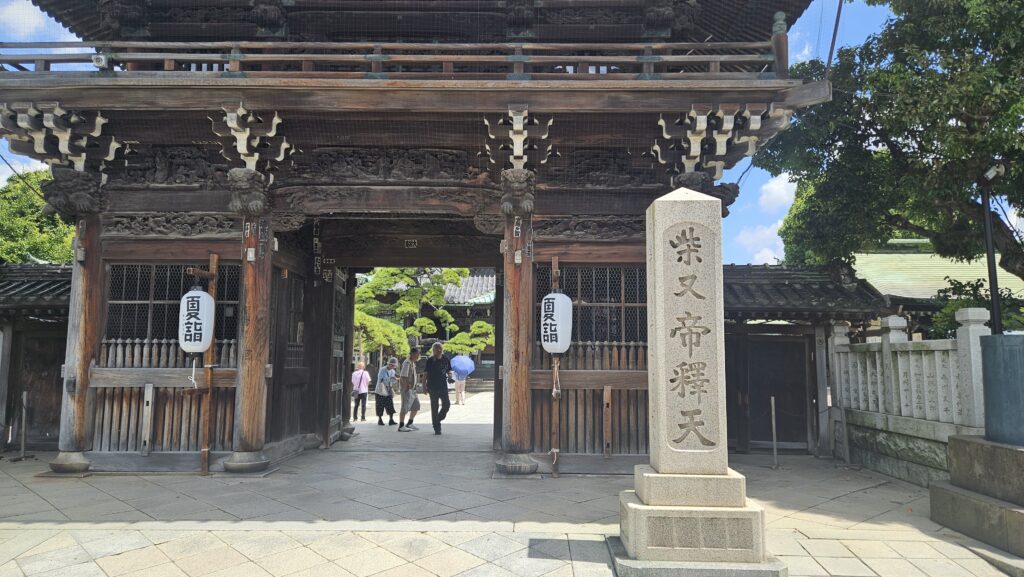
The historic Nitenmon Gate at Shibamata Taishakuten.
The wooden structure is beautifully weathered, and that’s part of its charm.
Nothing looks overly polished or artificially new. The darkened timber, intricate carvings, stone pavement, tiled roofs, and mature trees create the kind of atmosphere that is becoming increasingly difficult to find in central Tokyo.
Look closely at the details around the entrance.
There are layers of carved wood beneath the roof, decorative brackets, sculpted figures, and small details that are easy to miss if you simply walk through the gate.
Don’t just take a photo and keep walking. Look up.
A Temple Founded Almost 400 Years Ago
Shibamata Taishakuten officially belongs to Nichiren Buddhism and is also known by its formal name, Kyōeizan Daikyō-ji (経栄山題経寺).
The temple was founded in 1629, during the early Edo period.
That date alone makes the temple fascinating.
When you stand inside the grounds today, it can be difficult to imagine that this site has been connected to religious life in the area for nearly four centuries.
The temple also has an unusual story involving its principal image.
According to the temple’s history, an image of Taishakuten believed to have been carved by Nichiren himself had disappeared from view. In 1779, during renovation work, it was reportedly rediscovered above a beam in the main hall. This discovery helped revive devotion to Taishakuten at the temple.
The story is one reason the temple became an important place of worship and eventually one of Shibamata’s defining landmarks.
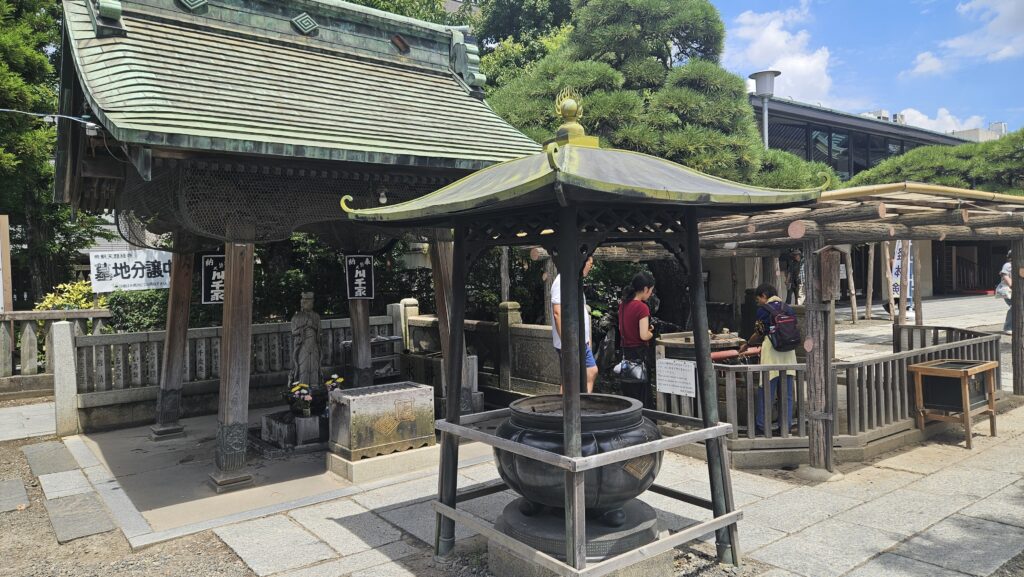
The Incredible Wood Carvings at Shibamata Taishakuten
If there is one reason you should actually pay the ¥400 admission fee, this is it.
The temple’s Sculpture Gallery showcases extraordinary wooden carvings on the exterior of Taishakudo Hall.
The carvings are based on stories from the Lotus Sutra, one of the most important Buddhist scriptures. Ten large carved panels were produced by different master sculptors, creating an extraordinary display of traditional Japanese carving.
The work took more than a decade to complete, from the end of the Taisho period through 1934.
The carvings were made from zelkova wood, and the level of detail is remarkable.
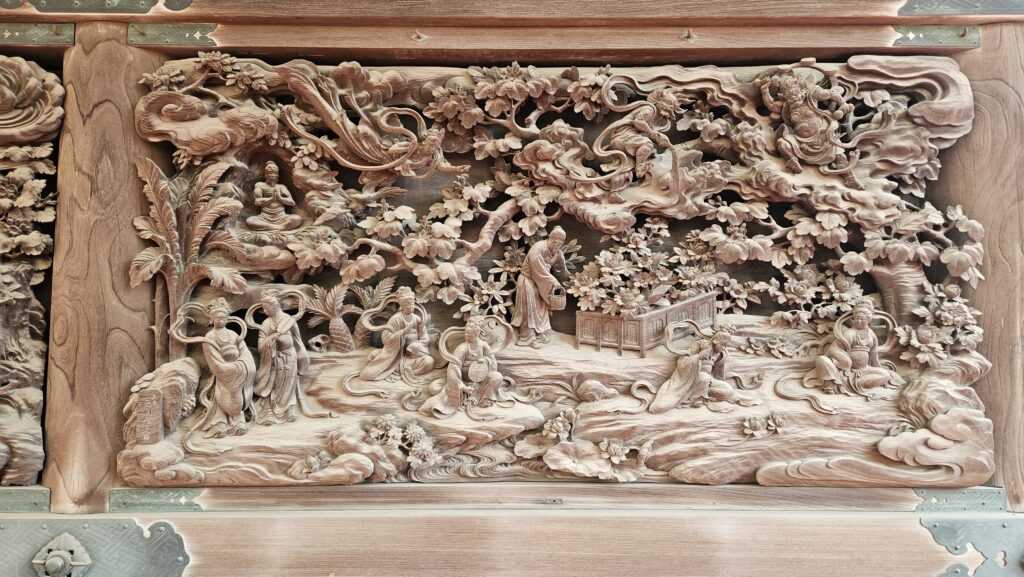
The panels don’t look like flat decorations.
They have depth, movement and an almost three-dimensional quality. Human figures, animals, plants and architectural elements emerge from the wood, creating scenes that look almost alive.
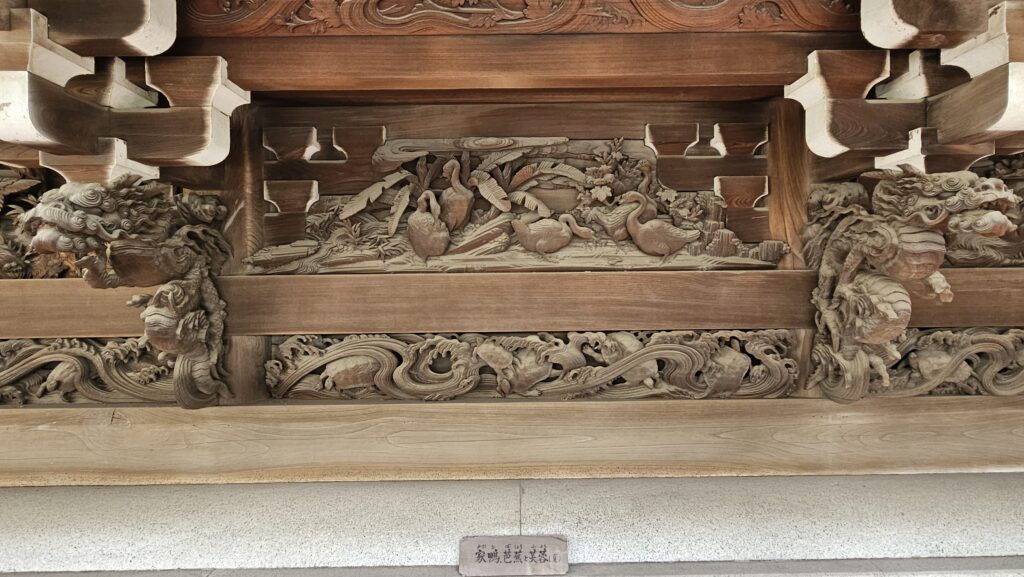
The temple’s official website describes different sections featuring the twelve zodiac animals, celestial maidens, Lotus Sutra stories, flowers and birds, cranes and turtles.
One of the details worth looking for is the fierce dragons supporting the lower part of the structure.
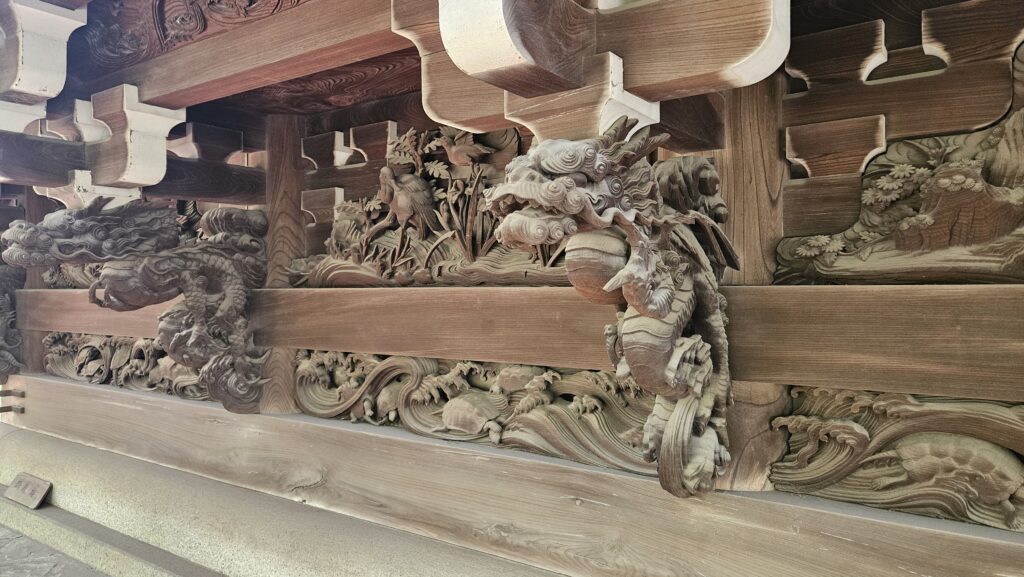
And this is exactly why I would recommend visiting in person rather than simply looking at photographs online.
You can see the craftsmanship from a distance, but once you’re standing next to it, you begin noticing tiny details in the wood grain and carving.
Don’t Skip the Japanese Garden
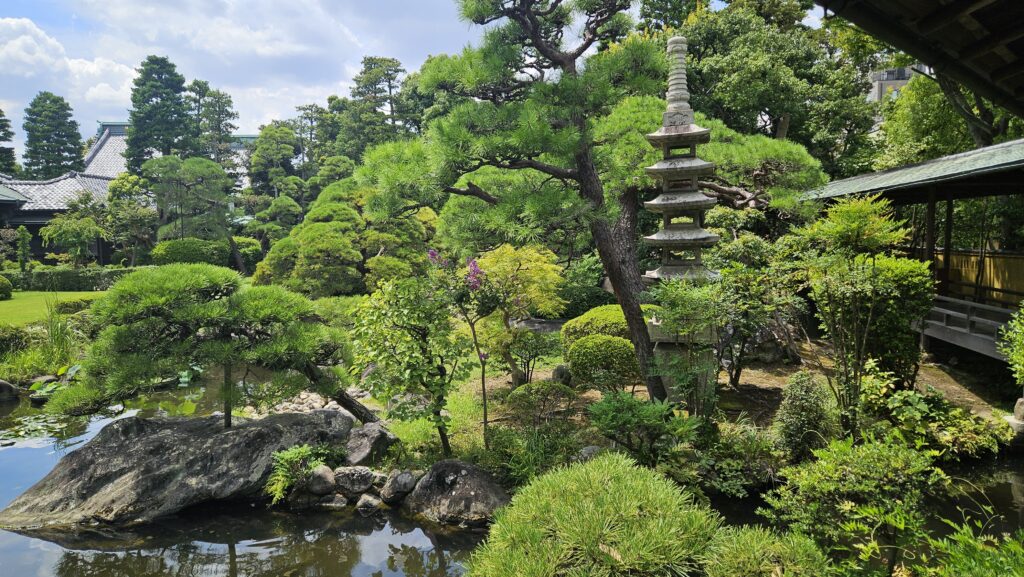
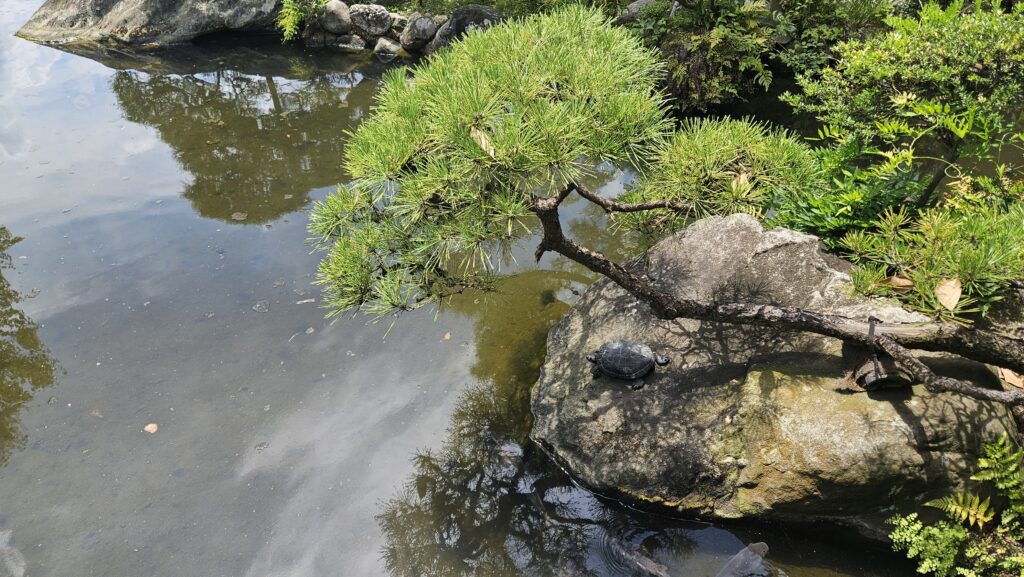
Behind the temple is another attraction that many visitors don’t expect: Suikeien Garden.
It is a traditional strolling Japanese garden designed around a pond and created to evoke the beauty of a natural valley.
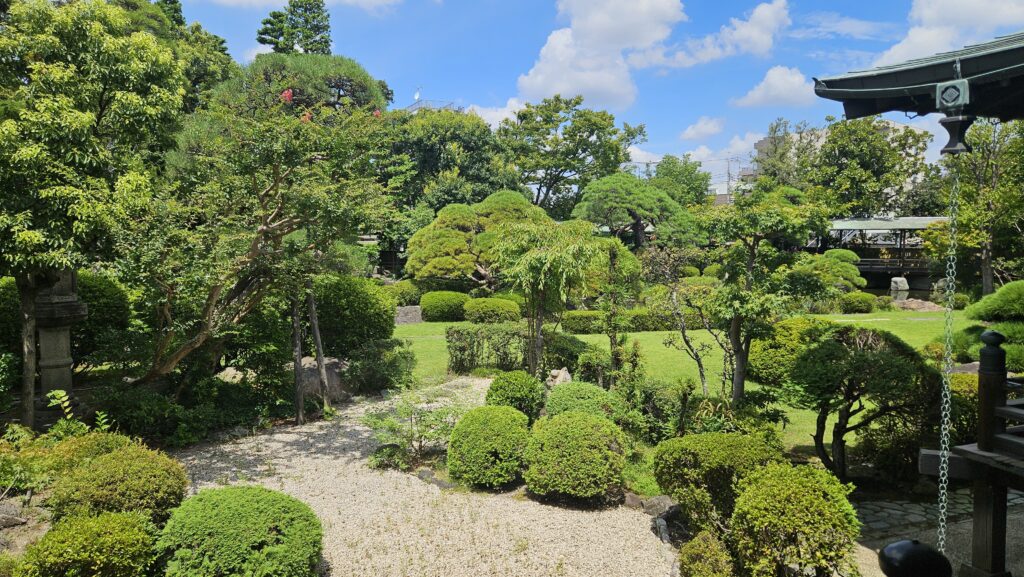
Construction began in 1929, and the garden took approximately 40 years to complete. It was designed by Nagai Rakuzan, a renowned landscape gardener from Mukojima.
Shibamata is beautiful throughout the year, but the experience changes with the seasons. Spring brings fresh greenery and pleasant temperatures, while autumn is especially atmospheric around the temple grounds and traditional streets. The best time to visit Japan depends largely on the kind of scenery and weather you prefer for sightseeing.
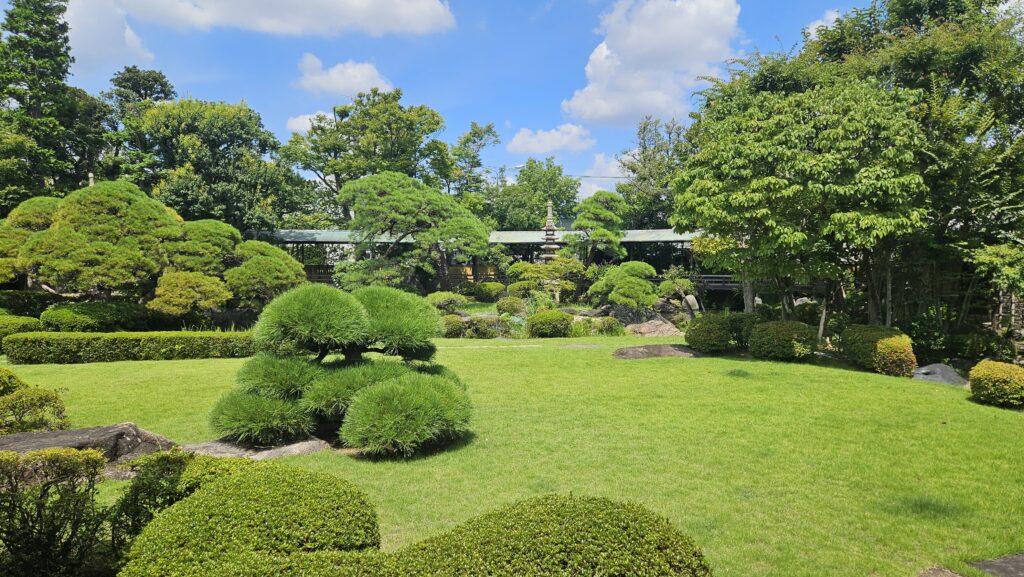
The garden is designed as a miniature natural landscape, with elements representing mountains, rivers and the sea.
This is one of those places where the Japanese concept of creating an entire landscape within a relatively compact space becomes particularly easy to appreciate.
After the elaborate carvings of Taishakudo, the garden feels almost deliberately quiet.
And that’s part of the experience.
Shibamata and the Story of Tora-san
You can’t really talk about Shibamata without mentioning Tora-san.
The neighborhood became nationally famous as the hometown of the beloved character from the long-running Japanese film series Otoko wa Tsurai yo (“It’s Tough Being a Man”).
The series ran from 1969 to 1995, with 48 films featuring Tora-san, who traveled around Japan but repeatedly returned to his hometown of Shibamata.
This explains why Shibamata feels different from many other parts of Tokyo.
The neighborhood has deliberately preserved a nostalgic atmosphere, with traditional shops, old-style restaurants and architecture that evokes an earlier version of the city.
At Shibamata Station, you’ll even find bronze statues of Tora-san and his sister Sakura.
If you are interested in Japanese cinema, the Katsushika Shibamata Tora-san Museum is also nearby. The museum recreates locations from the movies and displays costumes, sets, dioramas and other material connected with the series.
What to See Around Shibamata Taishakuten
One of the reasons I recommend visiting Shibamata is that the temple isn’t an isolated attraction. There is enough around it to turn the visit into a relaxed half-day trip. If you have more time to explore the city, you can easily combine Shibamata with other things to do in Tokyo, from historic neighborhoods and gardens to museums and local food spots.
1. Taishakuten-Sando
Walk along the traditional shopping street before or after visiting the temple.
Try kusa dango, buy traditional Japanese snacks, and look at the old-fashioned storefronts.
2. Shibamata Taishakuten
Allow enough time to explore the temple grounds rather than simply photographing the entrance.
3. Sculpture Gallery
This is the highlight for anyone interested in Japanese craftsmanship.
The current admission fee is ¥400 for adults and ¥200 for elementary and junior high school students, and the ticket includes both the Sculpture Gallery and Suikeien Garden.
4. Suikeien Garden
Take your time here. The garden is much quieter than the main temple grounds.
5. Yamamoto-Tei
Just behind the temple is Yamamoto-Tei, a beautifully preserved historic residence combining traditional Japanese and Western architectural elements. It dates from the 1920s and has a garden where visitors can stop for tea.
6. Tora-san Museum
If you’re curious about one of Japan’s most famous film characters, this is an easy addition to your itinerary.
How to Visit Shibamata Taishakuten
Address: 7-10-3 Shibamata, Katsushika City, Tokyo
Nearest station: Shibamata Station, Keisei Kanamachi Line
Walk from station: Approximately 3 minutes
Temple grounds: Free to enter
Sculpture Gallery + Suikeien Garden: ¥400 adults / ¥200 children
Sculpture Gallery and garden hours: 9:00 AM–4:00 PM, with the garden/gallery closing at 4:30 PM.
I’d recommend coming in the morning or early afternoon, especially if you want enough time to visit the temple, garden, shopping street and nearby attractions without rushing. Shibamata is easy to reach by train, but renting a car can be useful if you want to combine the temple with several less accessible places around eastern Tokyo. It also gives you more flexibility if you’re planning a longer day outside the city.
Is Shibamata Taishakuten Worth Visiting?
Absolutely — especially if you’ve already seen Tokyo’s most famous sights.
Shibamata Taishakuten isn’t the kind of attraction where you arrive, take one photo and leave ten minutes later. The area is also comfortable to explore at your own pace, with a compact temple area, traditional shopping street, cafés, and plenty of people around during the day. It can be a particularly enjoyable stop for Women Traveling Alone who want to experience a quieter side of Tokyo without venturing too far from the city center.
The real appeal is the combination of things around it: an old-fashioned shopping street, an almost 400-year-old Buddhist temple, extraordinary wood carvings, a traditional Japanese garden, historic architecture and the nostalgic world of Tora-san.
It’s also a good reminder that Tokyo isn’t just Shibuya crossings, neon signs and skyscrapers.
There is another Tokyo underneath all of that — quieter, slower and much more connected to the city’s past.
And Shibamata is one of the places where you can still see it.
Final Thoughts
For me, the most interesting thing about Shibamata Taishakuten isn’t simply that it’s an old temple.
It’s the feeling of walking through the wooden gate and suddenly finding yourself surrounded by craftsmanship, gardens and architecture that belong to a completely different chapter of Tokyo’s history.
If you’re looking for hidden gems in Tokyo, traditional Japanese architecture, beautiful temples, or simply somewhere to escape the city’s relentless pace for a few hours, put Shibamata on your list.
And don’t make the classic mistake of photographing the gate and leaving.
Go inside. Pay the ¥400. See the carvings. Walk through the garden. Then wander slowly back down Taishakuten-Sando.
That’s where Shibamata really starts to make sense.
Frequently Asked Questions About Shibamata Taishakuten
Is Shibamata Taishakuten worth visiting?
Yes. Shibamata Taishakuten is a great choice if you want to see a quieter and more traditional side of Tokyo. The temple, historic wooden carvings, Japanese garden, and old-fashioned shopping street make it more than a quick sightseeing stop.
How do I get to Shibamata Taishakuten?
The easiest way is to take the Keisei Kanamachi Line to Shibamata Station. The temple is only about a three-minute walk from the station, making it easy to visit without a car.
How much does it cost to visit Shibamata Taishakuten?
The temple grounds are free to enter. The Sculpture Gallery and Suikeien Garden require an admission fee, while the rest of the temple area can be explored without paying an entrance fee.
How long should I spend in Shibamata?
Allow at least 2–3 hours if you want to visit the temple, see the wood carvings and garden, walk along Taishakuten-Sando, and stop for something to eat. You can easily spend half a day here if you also visit Yamamoto-Tei or the Tora-san Museum.
What is Shibamata famous for?
Shibamata is best known for Shibamata Taishakuten, traditional Japanese architecture, elaborate wood carvings, Taishakuten-Sando, and its connection to the famous Tora-san film series.
Is Shibamata good for solo travelers?
Yes. The area is compact, easy to explore on foot, and has plenty of shops, cafés, and attractions close together. It can be particularly enjoyable for Women Traveling Alone who want to explore a less hectic side of Tokyo.
What is the best time to visit Shibamata Taishakuten?
Shibamata can be visited throughout the year. Spring and autumn are particularly pleasant for walking around the temple grounds and garden, while mornings and early afternoons are ideal if you want enough time to explore the area without rushing.

You May Also Like

Beppu Hells (Jigoku Meguri): Japan’s Most Surreal Geothermal Wonder

Most Beautiful Cities in Japan to Visit in 2025
